
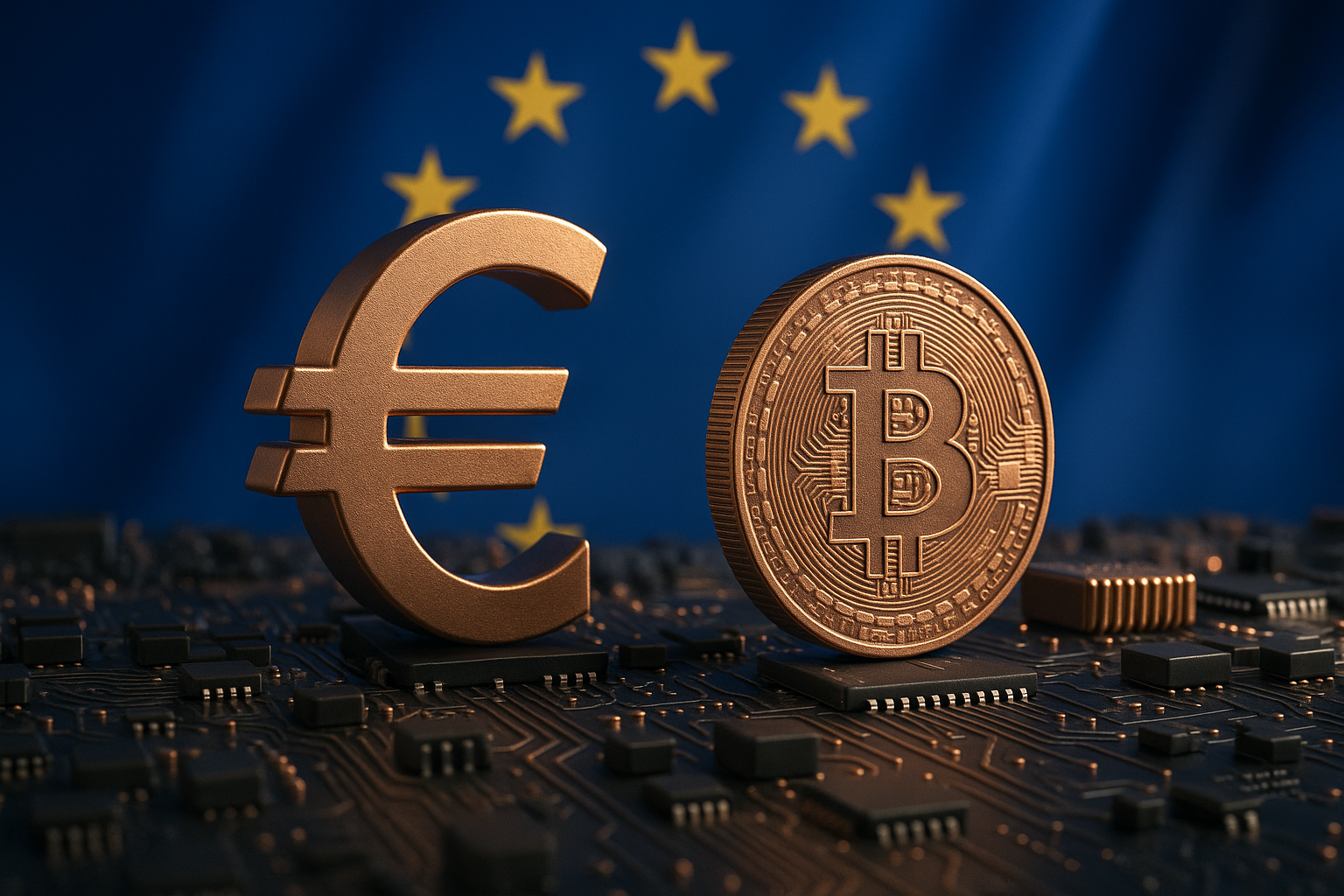
Proposal to centralize supervision under a “European SEC” sparks fears of slower approvals and reduced innovation across the digital finance sector
A new European Commission proposal to strengthen the powers of the European Securities and Markets Authority (ESMA) has triggered debate across the crypto and fintech sectors. The plan would grant ESMA direct supervisory and licensing authority over crypto-asset service providers and key financial infrastructure, prompting concerns about regulatory bottlenecks and reduced agility for startups.
The Commission’s package proposes shifting authorization and supervision of trading venues, central counterparties and crypto-asset service providers (CASPs) to ESMA. This approach aims to harmonize regulatory practices across the bloc, but several industry leaders warn that centralization could slow innovation.

Faustine Fleuret, head of public affairs at Morpho, said she is concerned that ESMA would control both supervision and licensing, a structure that may lead to lengthy approval cycles. Startups already navigating fragmented national rules fear further delays if oversight shifts to a single overburdened authority.
The proposal is still being negotiated by the European Parliament and Council. If adopted, ESMA’s expanded role would resemble a more centralized framework similar to the United States Securities and Exchange Commission — a concept previously endorsed by ECB President Christine Lagarde.
Legal experts caution that the reform’s impact will depend on ESMA’s operational capacity. Brickken general counsel Elisenda Fabrega warned that insufficient resources could lead to “unmanageable” workloads, disproportionately affecting smaller or emerging firms. She noted that the success of the system will hinge on ESMA’s independence and its collaboration with national regulators.
The broader reform seeks to strengthen Europe’s capital markets as the region attempts to close its competitiveness gap with the United States. Current data shows U.S. equities valued at $62 trillion, representing 48% of global market share, while the European Union sits at $11 trillion, only 9% of worldwide equity value.
Disclaimer
This content is for informational purposes only and does not constitute financial, investment, or legal advice. Cryptocurrency trading involves risk and may result in financial loss.