

The European Central Bank has cautioned that growing use of stablecoins could reduce bank deposits and disrupt the transmission of monetary policy across the euro area. In a new working paper titled “Stablecoins and Monetary Policy Transmission,” the central bank said increased adoption of digital tokens pegged to currencies such as the US dollar or euro may shift funds away from traditional retail deposits.
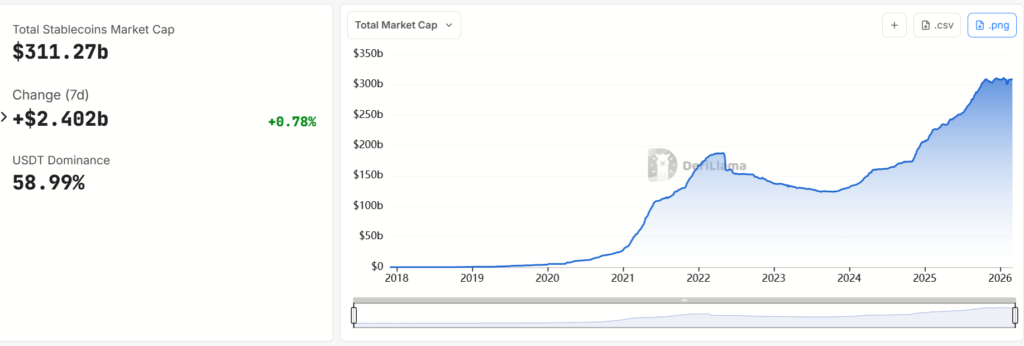
According to the ECB’s analysis, rising interest in stablecoins is associated with a measurable decline in retail bank deposits and a reduction in lending to businesses. Banks rely heavily on deposits as a stable and relatively low-cost funding source. If those deposits shrink, institutions may need to turn to wholesale or market-based funding, which is generally more expensive and less predictable.
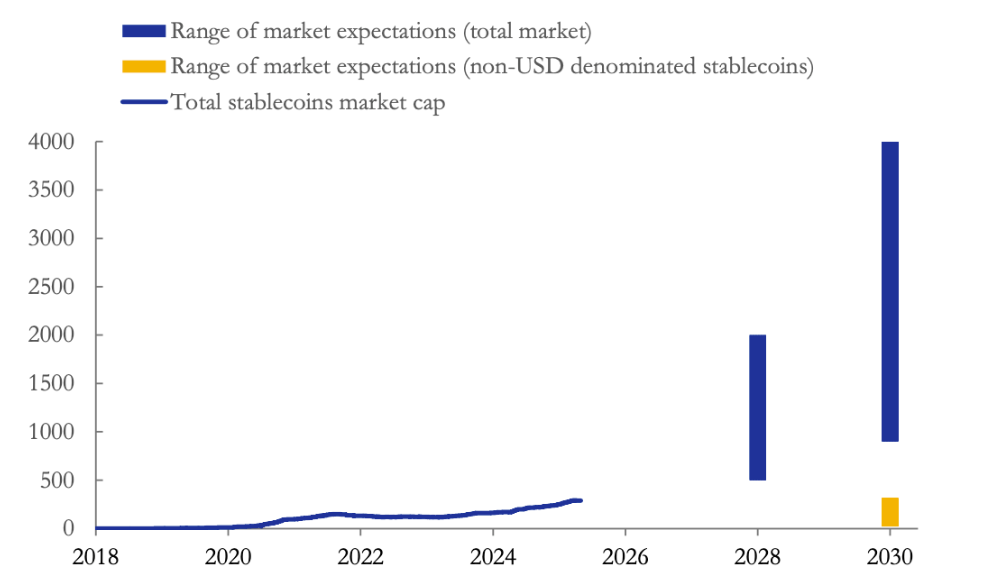
Impact on Monetary Policy and Euro Stability
The ECB noted that stablecoin adoption could interfere with multiple monetary policy transmission channels, potentially weakening the predictability of policy decisions. The scale of the impact depends on adoption levels, token design, and regulatory frameworks.
The central bank also raised concerns about foreign-currency stablecoins, particularly dollar-denominated tokens, which dominate the market. A growing reliance on non-euro stablecoins could dilute the effectiveness of domestic monetary policy and pose longer-term challenges to euro-area financial stability.
Disclaimer
This content is for informational purposes only and does not constitute financial, investment, or legal advice. Cryptocurrency trading involves risk and may result in financial loss.