

The recent volatility in digital asset markets reflects a broader shift in crypto’s relationship with traditional finance, according to comments from a senior U.S. central bank official. As institutional participation increases, crypto price swings are increasingly shaped by the same risk dynamics that affect mainstream financial markets.
Crypto Volatility Seen as Part of Market Maturation
The surge of optimism that followed recent political developments has begun to cool, with enthusiasm giving way to more cautious positioning. As crypto becomes more integrated with established financial institutions, market moves are less isolated and more sensitive to broader financial conditions.
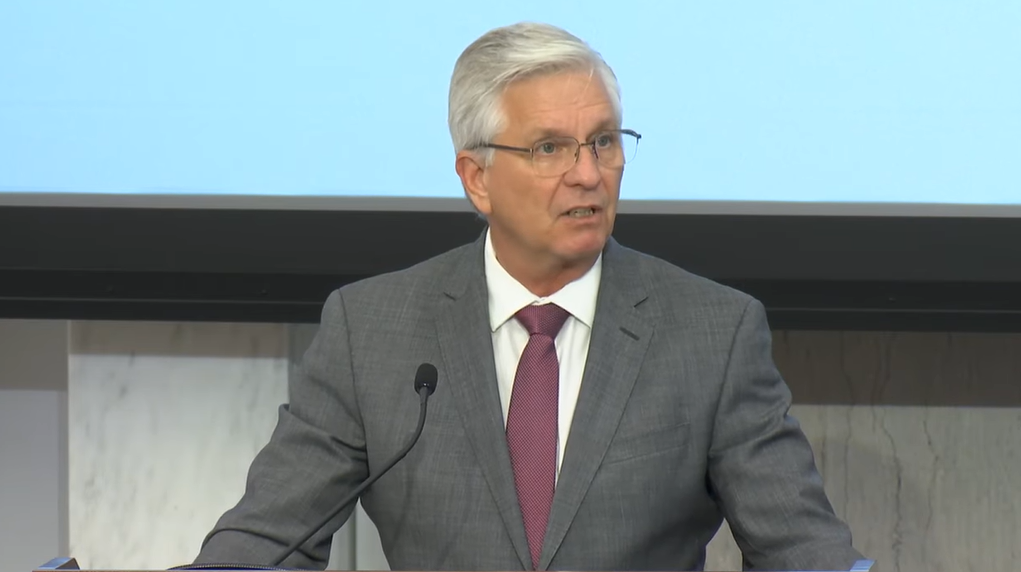
Sell-offs, according to Waller , were partly driven by traditional financial firms adjusting their exposure and risk limits. This adjustment process has contributed to sharper corrections, reinforcing the idea that volatility remains a defining feature of the asset class.
Regulatory Uncertainty Weighs on Market Sentiment
Uncertainty around crypto legislation has also played a role in dampening momentum. Delays in passing comprehensive market structure rules have left investors unclear about long-term regulatory expectations, creating hesitation among both retail and institutional participants.
Despite recent price declines, officials emphasized that sharp ups and downs are inherent to crypto markets. Investors are reminded that price appreciation and losses are both part of participating in a high-risk, emerging asset class.
Looking ahead, the central bank is preparing to introduce limited-access payment accounts for fintech and crypto companies. These accounts are designed to encourage innovation while maintaining safeguards within the U.S. payments system, reflecting the growing role of digital assets in modern finance.
Disclaimer
This content is for informational purposes only and does not constitute financial, investment, or legal advice. Cryptocurrency trading involves risk and may result in financial loss.