

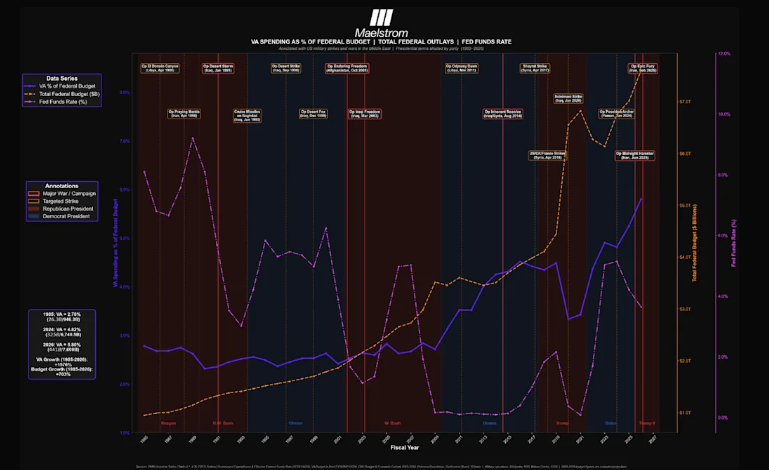
Former BitMEX chief Arthur Hayes says the US Federal Reserve may eventually expand the money supply if Washington becomes deeply involved in a prolonged conflict with Iran. In a recent blog post, Hayes argued that costly foreign military campaigns have historically coincided with looser monetary policy, including rate cuts and liquidity injections.
He pointed to past Middle East conflicts such as the 1990 Gulf War and post-9/11 military operations, periods during which the Federal Reserve adjusted policy to support broader economic stability. According to Hayes, extended geopolitical engagement increases fiscal pressure, raising the likelihood of monetary easing to finance government objectives.
Federal Reserve and Market Liquidity Outlook
The US central bank, the Federal Reserve, has maintained a cautious stance on interest rates in recent months. Hayes contends that sustained military expenditure could alter that trajectory. He suggests that if rates are cut or quantitative easing resumes, digital assets such as Bitcoin may benefit from increased liquidity.
However, Hayes also advised patience, noting that it remains unclear how long US policymakers would tolerate financial and geopolitical strain before shifting course.
Market Reaction to Rising Geopolitical Tensions
Despite heightened tensions following US and Israeli airstrikes on Iran, broader financial markets showed limited panic. US stock futures opened modestly lower, oil prices retraced early gains, and the S&P 500 declined less than 1% in early trading.
Macro newsletter The Kobeissi Letter said;
Online discussions referencing a potential global conflict increased, yet overall sentiment remained more measured compared to prior regional escalations. Investors appear to be weighing geopolitical risk against current macroeconomic fundamentals as they assess the Federal Reserve’s next move.
Disclaimer
This content is for informational purposes only and does not constitute financial, investment, or legal advice. Cryptocurrency trading involves risk and may result in financial loss.