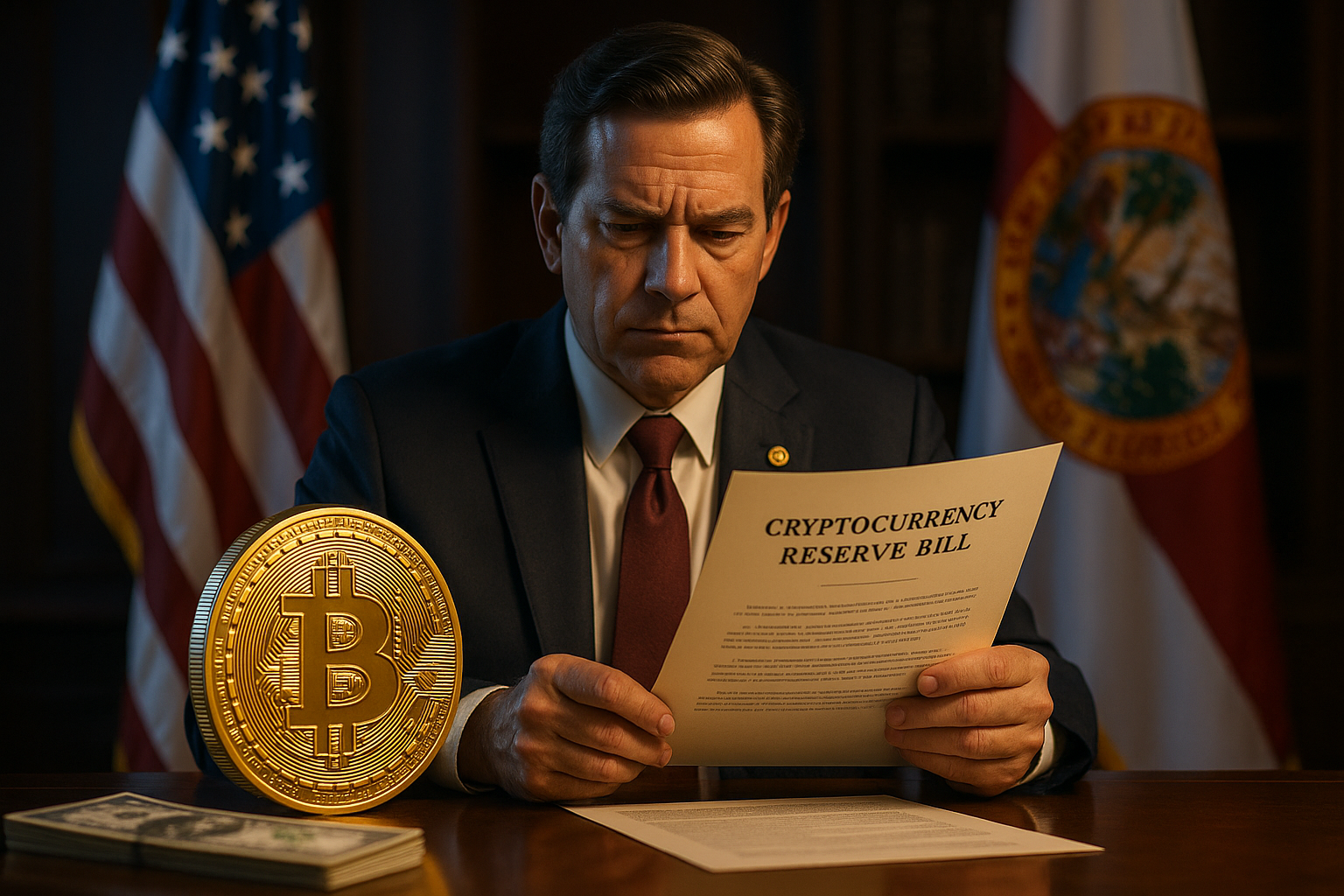
HB 183 reintroduces the state’s digital asset investment plan, expanding beyond Bitcoin and adding stronger fiduciary safeguards.
Florida Reboots Its Crypto Investment Push
Florida Representative Webster Barnaby has reintroduced legislation to allow the state to invest in cryptocurrencies and blockchain-based assets, following the collapse of a similar proposal earlier this year.
Filed on Wednesday, House Bill 183 (HB 183) would authorize the State Board of Administration to invest up to 10% of state and public funds in digital assets, including Bitcoin, crypto ETFs, NFTs, and blockchain securities. The bill is scheduled to take effect on July 1, 2026, pending approval.
The move revives Barnaby’s earlier HB 487, which was withdrawn in June, but this version adds enhanced custody, documentation, and fiduciary standards aimed at addressing concerns raised by lawmakers during the first attempt.
“This new bill provides the structure and accountability necessary to protect public funds while giving Florida a foothold in the future of finance,” Barnaby stated in the filing summary.
From Bitcoin-Only to Broad Crypto Exposure
Unlike the original bill, which limited investments to Bitcoin, HB 183 expands the definition of investible assets to include:
- Crypto ETFs and securities
- Blockchain-based tokens
- Non-fungible tokens (NFTs)
- Other approved digital asset instruments
The broader scope aims to give the state greater diversification and flexibility as institutional interest in crypto products — particularly ETFs — continues to grow.
Only Three States Have Enacted Similar Laws
During the 2025 legislative session, more than a dozen U.S. states introduced bills to establish Bitcoin or digital asset reserves, but only three passed — in Arizona, New Hampshire, and Texas.
- New Hampshire’s HB 302 allows up to 5% of public funds to be invested in digital assets with market caps above $500 billion (currently just Bitcoin).
- Texas Senate Bill 21 creates a Bitcoin-only reserve.
- Arizona’s HB 2749 allows a digital asset reserve sourced from unclaimed property.
If passed, Florida’s HB 183 would make the state the fourth in the U.S. to officially allocate public funds toward crypto reserves.
Stablecoin Regulation Bill Filed Alongside HB 183
Barnaby has also introduced a companion bill, HB 175, to ease regulatory requirements for recognized stablecoin issuers operating in Florida.
The bill would:
- Exempt approved stablecoin issuers from redundant licensing requirements.
- Mandate full collateralization with U.S. dollars or Treasury securities.
- Require monthly public audits of reserve assets.
Both bills share the same effective date of July 1, 2026, signaling a coordinated legislative strategy to establish Florida as a crypto-friendly state while tightening transparency standards.
In parallel developments, California Governor Gavin Newsom signed SB 822 last week, ensuring that unclaimed crypto assets are not automatically liquidated when transferred to state custody. Instead, holders can reclaim their original tokens by submitting a valid claim.
Disclaimer
This content is for informational purposes only and does not constitute financial, investment, or legal advice. Cryptocurrency trading involves risk and may result in financial loss.