

House Republicans have advanced a proposal to slash the U.S. Securities and Exchange Commission’s (SEC) 2026 budget by 7%, aiming to roll back several Biden-era regulations — including rules requiring cyberattack disclosures by public companies.
GOP Budget Plan: $153M Less for SEC in 2026
The House Appropriations Financial Services subcommittee, led by Rep. Dave Joyce, approved a $23.3 billion fiscal package on Monday. Under this proposal, the SEC would receive just over $2.03 billion, marking a $153.9 million reduction from its 2025 budget. This figure is also below the $2.149 billion the SEC requested last month to fund over 4,100 full-time employees.
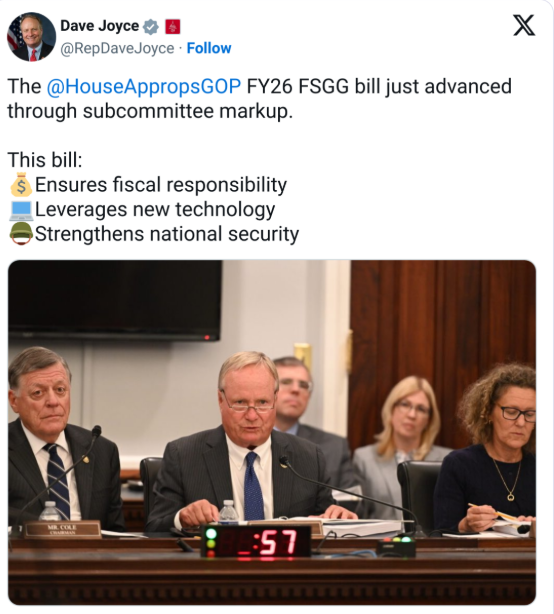
“This plan reins in wasteful spending,” Joyce said, reflecting the broader GOP effort to limit regulatory expansion from the Biden era.
Funding Ban on SEC Cyber Rule Enforcement
In addition to budget cuts, the plan bans the SEC from using funds to enforce a controversial 2023 rule requiring companies to report cybersecurity incidents within four days of discovery. The rule was introduced to promote transparency but has faced criticism from industry groups and Republican lawmakers.
Public companies must disclose cyber breaches and their cybersecurity strategies unless a threat to national security is involved.
Banking advocates previously warned that the rule could be exploited by ransomware attackers, arguing it puts public firms at increased risk. Coinbase was notably affected, having faced a $20 million extortion attempt after a data breach involving bribed contractors. The firm now faces potential damages as high as $400 million.
Democrats Push Back
Democratic lawmakers strongly opposed the Republican proposal. They argue that defunding the SEC weakens consumer protections, especially in markets increasingly influenced by crypto and digital finance.
“This is a blow to everyday Americans,” said Rep. Rosa DeLauro. “It allows greedy corporations to cheat, poison, and scam the public.”
Other restrictions in the plan include blocking the SEC from collecting personal data through trading surveillance programs and barring new rules on private securities offerings.
Outlook
This latest move reflects a deepening divide over financial regulation. As crypto adoption grows and cyber threats increase, the debate over how much power the SEC should wield — and how much funding it should receive — will remain a key battleground in U.S. financial policy.
Disclaimer
This content is for informational purposes only and does not constitute financial, investment, or legal advice. Cryptocurrency trading involves risk and may result in financial loss.