
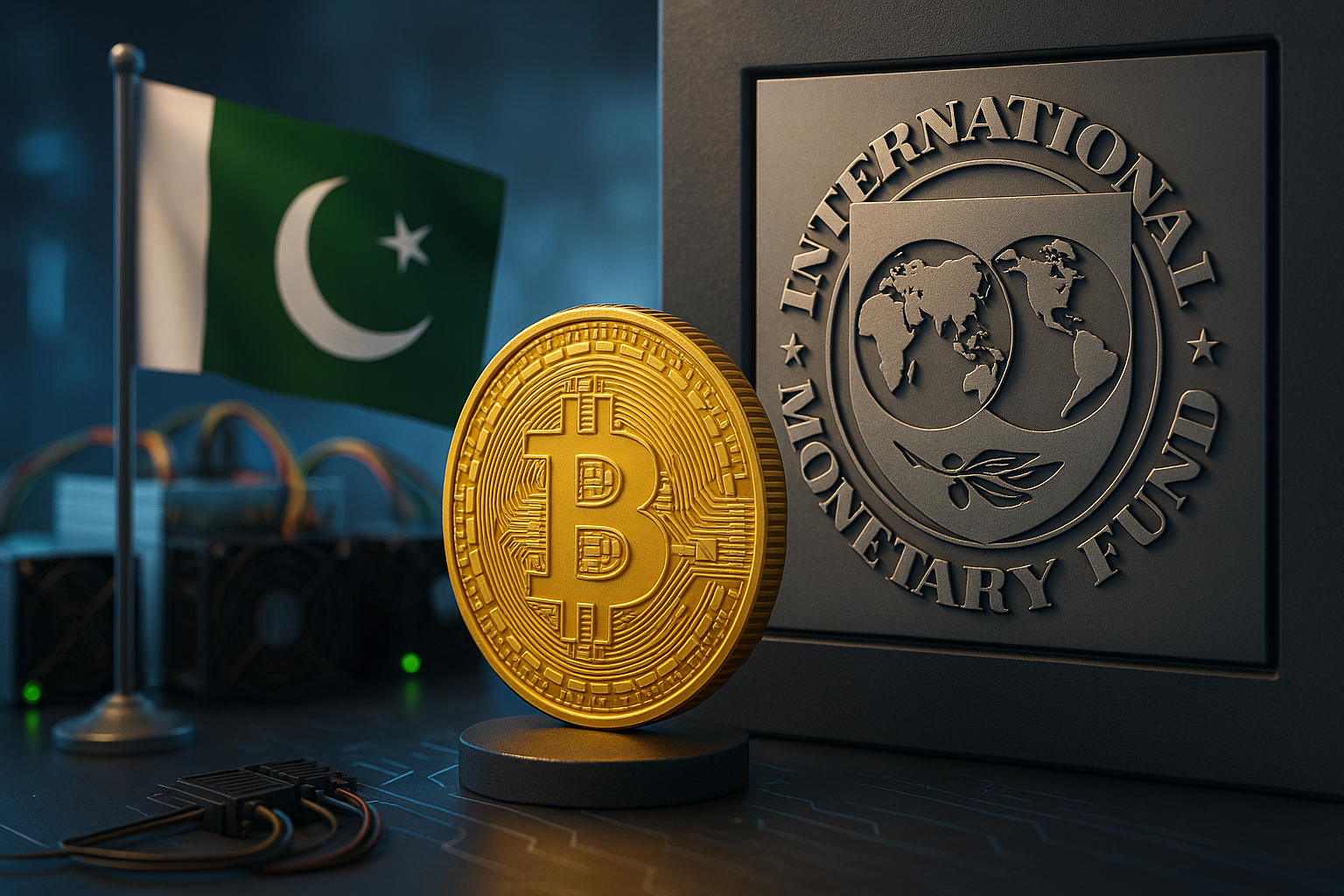
The International Monetary Fund (IMF) has officially rejected Pakistan’s proposal to subsidize electricity for Bitcoin mining, citing serious concerns over market distortions and inefficiency.
Pakistan’s Bitcoin Ambitions Face Global Pushback
According to Secretary of Power Dr. Fakhray Alam Irfan, the IMF has pushed back on multiple occasions against Pakistan’s efforts to offer discounted electricity for crypto mining and other high-energy industries.
The Pakistani government planned to allocate 2,000 megawatts from its 7,000 MW surplus at a subsidized rate of 23–24 rupees ($0.08) per kWh.
The proposal, first pitched in September 2024, was meant to serve as a six-month marginal cost tariff package to kickstart Bitcoin mining operations. However, under pressure from the IMF, the plan was trimmed to three months — only to be fully rejected again when revised as a targeted subsidy in November.
IMF Warns of Long-Term Market Damage
The IMF raised several red flags, particularly around:
- How the government would phase out subsidies and return to market-based pricing
- The historical ineffectiveness of such energy incentives in creating lasting benefits
- The risks of market distortions and fiscal imbalance
“These types of incentives are similar to tax holidays, which often lead to inefficiency rather than productivity,” the IMF reportedly argued.
Pakistan Still Pursuing Blockchain Integration
Despite international resistance, Pakistan’s government remains committed to exploring blockchain and digital assets.
In May 2025, officials announced plans to create a national Bitcoin reserve and support regulated BTC mining, aligning with similar policy discussions from the Trump administration in the United States.
Minister of State for Blockchain and Crypto, Bin Saqib, stated:
“We want to give 100 million unbanked Pakistanis the tools for saving and investment… I truly believe that crypto and blockchain can help us leap forward.”
The government believes that Bitcoin and decentralized technologies can play a major role in improving financial inclusion and economic mobility across the country.
Energy Policy Still Under Review
Dr. Irfan confirmed that negotiations with international financial institutions are ongoing, and that Pakistan is working to refine its approach to balance innovation with fiscal responsibility.
As global institutions urge caution, Pakistan faces a crossroads between driving technological adoption and maintaining economic stability.
Disclaimer
This content is for informational purposes only and does not constitute financial, investment, or legal advice. Cryptocurrency trading involves risk and may result in financial loss.