

A recent investigative report from NYT has renewed debate over the true identity of Satoshi Nakamoto, suggesting that British cryptographer Adam Back may be the pseudonymous creator of Bitcoin. The findings are based on similarities in writing patterns and early technical discussions linked to the origins of the crypto .
Writing Pattern Analysis Points to Adam Back
The investigation analyzed 134,308 posts from early cryptography mailing lists and narrowed a pool of 620 participants to a single suspect using language traits such as hyphenation errors and spelling patterns. The research also referenced scenes from the 2024 documentary “Money Electric: The Bitcoin Mystery,” where Back appeared uncomfortable after being identified as a possible Satoshi candidate during filming in Riga, Latvia.
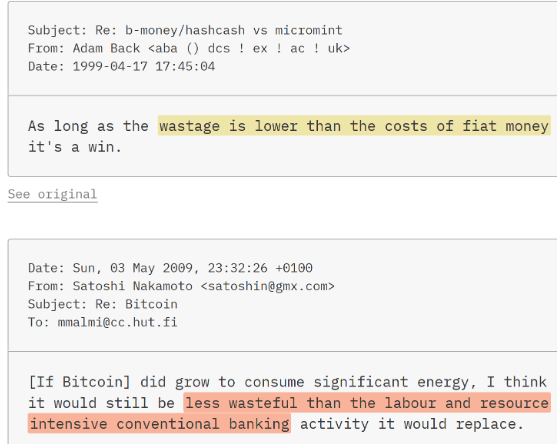
Records show Back was active in cypherpunk mailing lists since 1995 and described several core Bitcoin ideas as early as 1997, including decentralized electronic cash, privacy-focused transactions, distributed networks, and built-in scarcity. He also proposed using Hashcash, his own invention, to mint Wei Dai’s b-money, both of which were later referenced in Bitcoin’s white paper.
Denials Continue as Satoshi Mystery Remains Unsolved
Despite the claims, Adam Back has repeatedly denied being Satoshi Nakamoto and did not respond to requests for additional verification data. Other long-standing suspects have included Nick Szabo, Hal Finney, Len Sassaman, and Peter Todd, while Craig Wright previously claimed authorship but was ruled by a London High Court in May 2024 to have fabricated evidence.
Satoshi Nakamoto has not communicated publicly since April 26, 2011, and is believed to control approximately 1.1 million BTC, representing more than 5% of Bitcoin’s total 21 million supply, keeping one of the technology world’s greatest mysteries unresolved.
Disclaimer
This content is for informational purposes only and does not constitute financial, investment, or legal advice. Cryptocurrency trading involves risk and may result in financial loss.