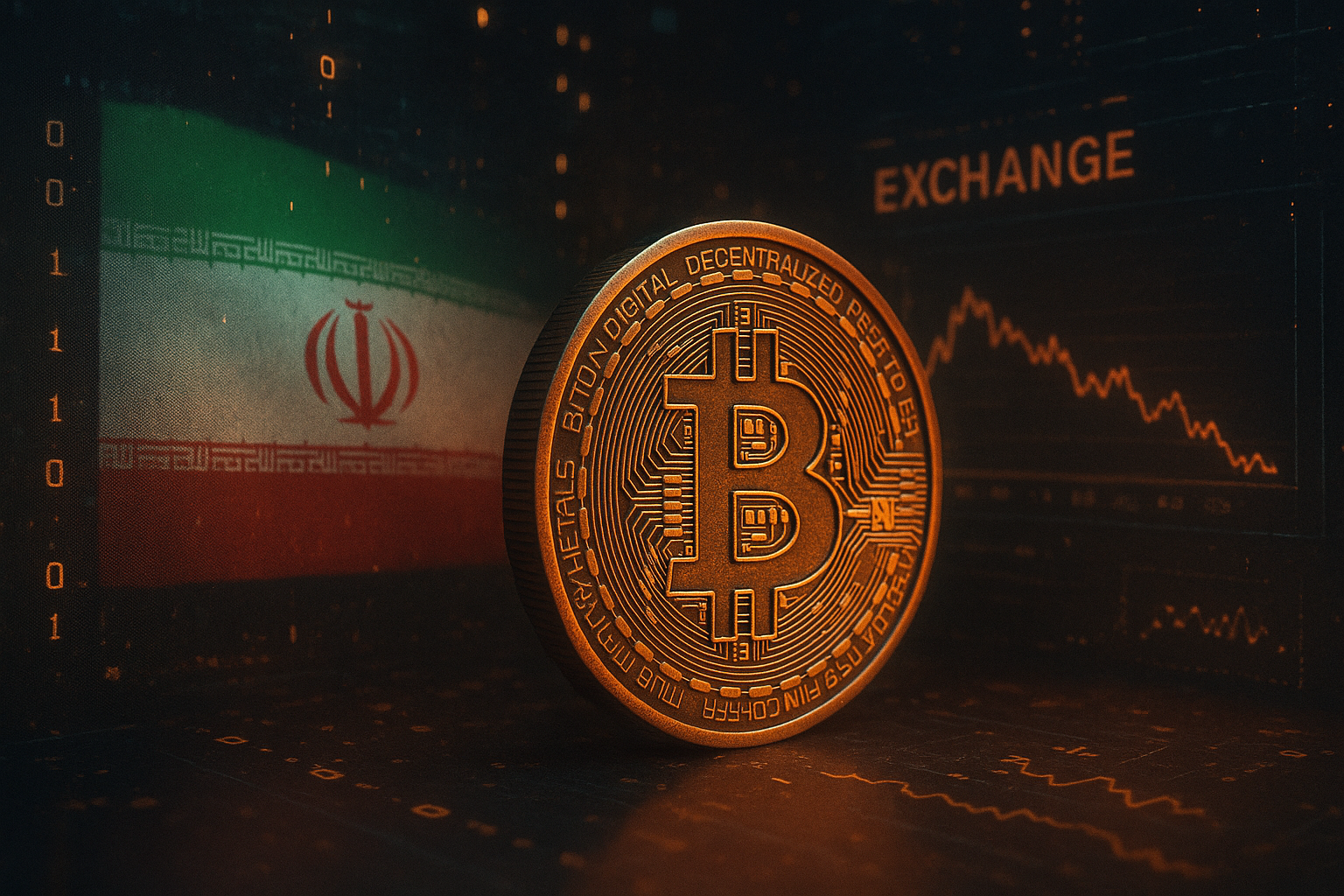
The Central Bank of Iran has imposed a strict operating curfew on local cryptocurrency exchanges in response to a $100 million hack targeting Nobitex, the country’s largest exchange. The decision limits exchange activity between 10 a.m. and 8 p.m., in an apparent effort to contain risk and assert control over cross-border crypto flows amid intensifying geopolitical tensions.
Nobitex Breach: A Politically Charged Cyberattack
The hack on Nobitex, confirmed early Wednesday, was not financially motivated in the traditional sense. The pro-Israel hacker group Gonjeshke Darande (translated as “Predatory Sparrow”) claimed responsibility, alleging it accessed internal Nobitex systems and drained over $100 million in crypto assets from hot wallets.
Assets stolen included:
- Bitcoin (BTC)
- Ether (ETH)
- Solana (SOL)
- XRP
- Dogecoin (DOGE)
What sets this attack apart is that the stolen funds were burned, meaning they were sent to wallet addresses without private key access—permanently removing them from circulation. According to Chainalysis, the act was intended to weaken the Iranian regime, rather than to profit.
Iran’s Crypto Curfew: Capital Controls in Action
In response, Iran’s central bank moved swiftly to restrict exchange operations, citing both cybersecurity and economic stability concerns. Andrew Fierman, head of national security intelligence at Chainalysis, noted that limiting operating hours makes incidents easier to manage and helps regulators slow capital flight, especially as Iranians use crypto to bypass sanctions and transfer wealth abroad.
This isn’t the first time Iran has restricted crypto. In December 2023, all exchanges were temporarily shut down to support the rial and control currency outflows.
Nobitex’s Response and Broader Impact
Despite the scale of the attack, Nobitex claims the situation is under control, with the platform cutting all external server access and initiating the transfer of hot wallet funds to secure cold storage. While user access is still suspended, Nobitex has activated its Reserve Fund to cover user losses in full.
Chainalysis reports that Nobitex handles over $11 billion in inflows, far surpassing its domestic competitors, making it a cornerstone of Iran’s crypto infrastructure. The hack’s impact—and Iran’s regulatory response—could ripple throughout the region’s digital asset economy.
Conclusion
The Nobitex hack is one of the most politically motivated exploits in crypto history, highlighting the interplay between cyberwarfare, geopolitics, and decentralized finance. Iran’s reaction—through strict curfews and capital controls—shows how nations may increasingly clamp down on crypto infrastructure in times of conflict or internal instability.
As Iran works to restore exchange access and confidence, the event marks a turning point for crypto regulation in the region and a warning to other countries facing similar vulnerabilities.
Disclaimer
This content is for informational purposes only and does not constitute financial, investment, or legal advice. Cryptocurrency trading involves risk and may result in financial loss