
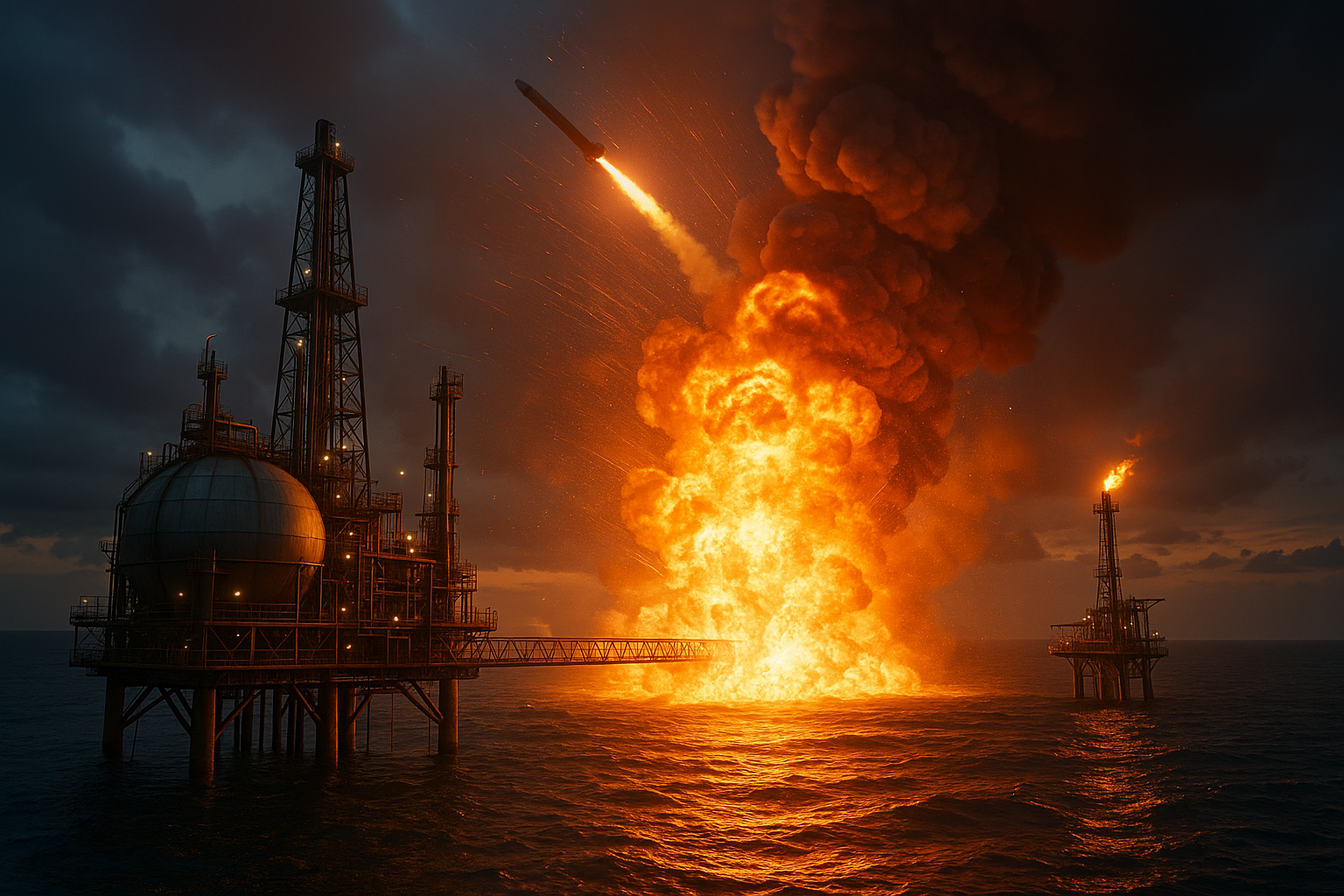
Attack Hits South Pars, the World’s Largest Gas Field
Tensions escalated sharply in the Middle East over the weekend as Israel launched a direct strike on Iran’s South Pars gas field, causing a large explosion and fire at the Phase 14 processing facility. The strike, confirmed by local reports, forced the shutdown of a nearby production platform and marked a dramatic shift in the ongoing conflict.
South Pars is the world’s largest natural gas field, shared by Iran and Qatar, and is a vital energy hub for Iran’s domestic supply. This attack signals the opening of a new front in the conflict—targeting critical energy infrastructure.
Iran’s Energy Crisis Worsens
The strike comes amid ongoing blackouts and severe energy shortages across Iran. Widespread outages have already impacted homes, businesses, and industrial production. According to the Iran Chamber of Commerce, the economic toll of these outages is estimated at $250 million per day.
The damage from this attack could cripple Iran’s internal energy system while increasing tensions with its Gulf neighbors and global stakeholders.
Oil Prices Spike Amid Fears of Further Escalation
Even before the latest strike, oil prices surged as much as 14% on Friday, with U.S. crude nearing $73 per barrel. Analysts warn that if hostilities continue or expand to other energy sites, prices could spike well above $100 per barrel in the short term.
“We appear to be in an escalatory cycle,” noted one energy strategist, highlighting the risk of continued strikes on energy infrastructure.
Goldman Sachs analysts raised their short-term oil forecasts by $2 to $3 per barrel following the attack. While they still project a longer-term decline to below $60 per barrel, they cautioned that near-term risks are now tilted strongly to the upside.
Broader Market Impact and New Risk Factors
Adding to the pressure, a fire broke out at the Fajr Jam gas plant, another critical Iranian facility that processes gas from South Pars and nearby fields. This second incident reinforces concerns about Iran’s energy vulnerability and market fragility.