Kaia DLT Foundation Urges Equal Rules for Stablecoin Issuers
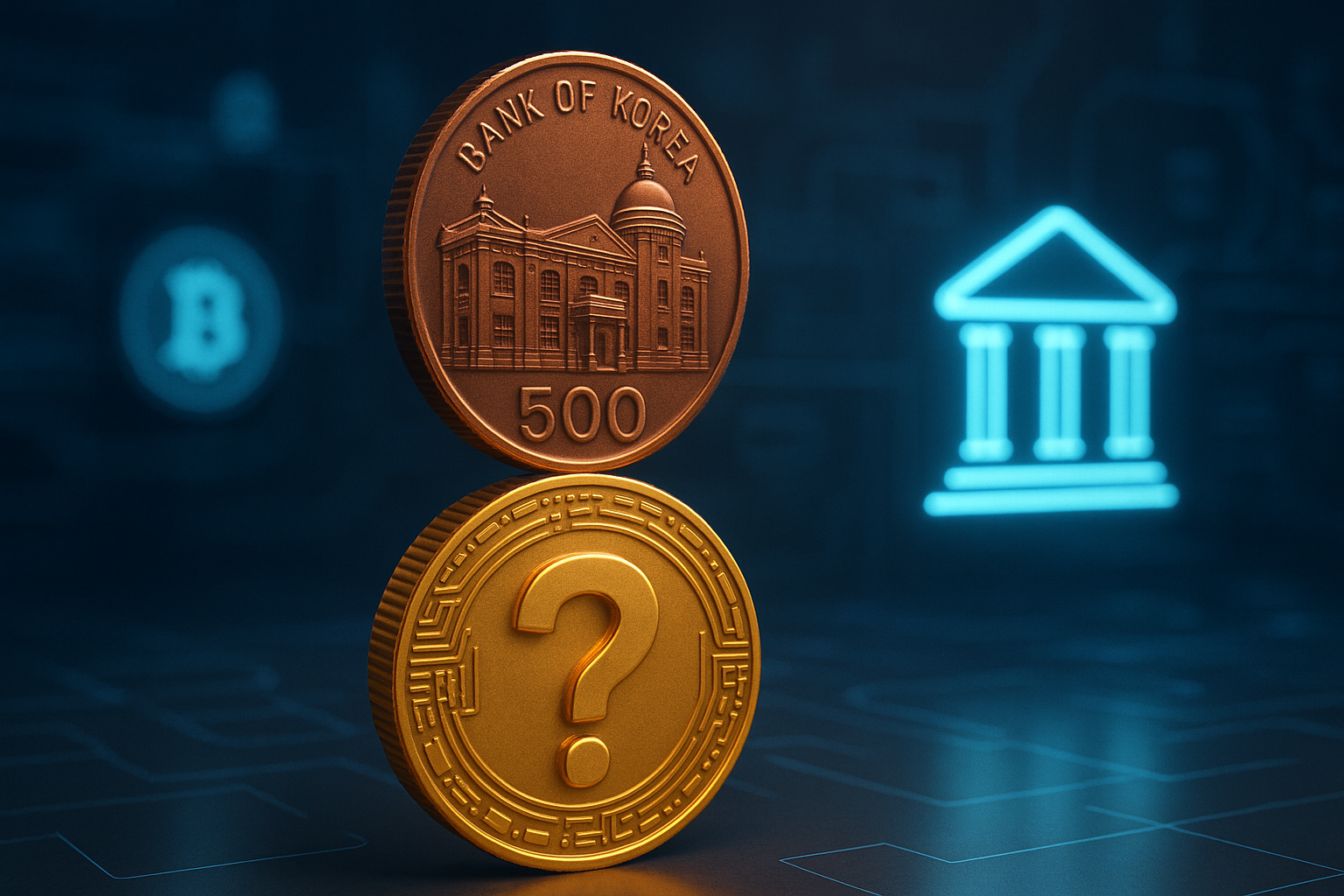
South Korea’s bank-first stablecoin strategy is facing criticism from industry leaders, as Dr. Sangmin Seo, Chair of the Kaia DLT Foundation, called the Bank of Korea’s (BOK) approach “lacking in logical foundation.”
The central bank recently suggested that only regulated banks should be allowed to issue won-backed stablecoins, citing stricter capital, AML, and foreign exchange rules as safeguards against systemic risks. However, Dr. Seo argues this excludes innovation and creates an uneven playing field in South Korea’s rapidly evolving digital asset market.
“It would be even more valuable if the Bank of Korea could provide guidelines on how these risks can be mitigated and what qualifications are required for an issuer to be regarded as trustworthy,” Seo said.
Clear Rules Could Encourage Competition and Innovation
Seo emphasized that clear, inclusive regulations would allow both banks and non-banking entities to issue stablecoins, as long as they meet established standards. “A framework that allows fair participation will minimize risks and foster innovation,” he noted.

The Bank of Korea, in its recent policy paper, proposed forming a joint consultative body involving currency, financial, and foreign exchange authorities to determine issuer eligibility and circulation volumes. Yet, experts warn that a bank-dominated model could slow progress and hinder technological advancement in decentralized finance.
“Allowing only banks to lead stablecoin issuance could limit competition and delay South Korea’s role in the global digital currency race,” said one Seoul-based blockchain analyst.
Debate Over Stablecoin Yield Ban Intensifies
The BOK also proposed banning interest payments on stablecoins, fearing competition with traditional bank deposits. Instead, it has promoted the concept of deposit tokens, which represent existing deposits in tokenized form.
Dr. Seo, however, called a total yield ban excessive, arguing that it would restrict utility and adoption. “While stablecoins themselves shouldn’t carry direct yield, preventing users from generating supplementary yield through DeFi or staking would limit their real-world use,” he explained.
South Korea’s Stablecoin Market Accelerates Toward 2026
The South Korean stablecoin market is heating up fast, with eight major banks planning to launch won-pegged tokens between late 2025 and early 2026. Meanwhile, Naver Financial, the fintech arm of Naver, is preparing a won-backed stablecoin project following its proposed acquisition of Dunamu, the operator of Upbit—the nation’s largest crypto exchange.
Under the pro-crypto stance of President Lee Jae-myung, South Korea has moved closer to legalizing stablecoins and expanding digital finance, setting the stage for a competitive landscape—if regulators allow it.
Dr. Seo’s call for balanced regulation highlights a key tension in South Korea’s digital asset strategy: whether stability should come from banks alone, or from a diverse ecosystem of innovators shaping the future of money.
Disclaimer
This content is for informational purposes only and does not constitute financial, investment, or legal advice. Cryptocurrency trading involves risk and may result in financial loss.