
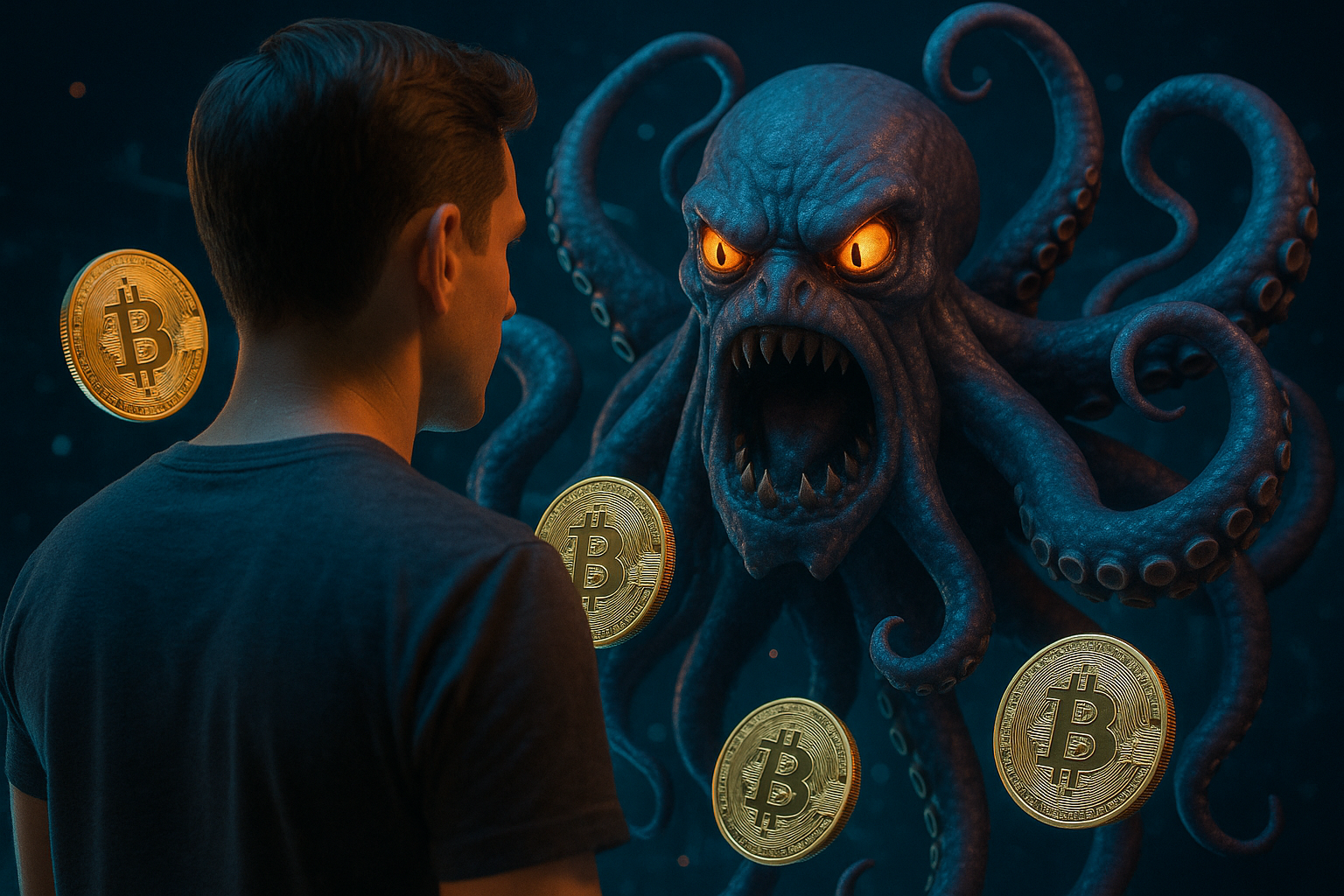
As digital asset adoption rises, a new survey reveals that nearly half of crypto holders see themselves as the weakest link in their own security. The study, conducted by a leading exchange, surveyed 789 participants, uncovering critical insights into user behavior and growing demand for better protective tools in Web3.
Self-Doubt Outweighs Fear of Hackers
48% of respondents admitted that they feared their own actions more than external threats like theft, hacking, or fraud. This surprising admission underscores a deep concern: despite improved tools and platforms, many users feel unprepared to manage their own digital wealth.
This aligns with the self-custody philosophy at the heart of cryptocurrencies, where users are their own banks — but also their own last line of defense.
The Demand for Smarter Security Tools
While self-responsibility is essential in the crypto ecosystem, users are showing strong interest in next-generation protective tools. 31% of respondents believe that technologies like biometrics, multi-factor authentication, and AI fraud detection can significantly improve asset protection.
Several security-focused startups are now receiving increased funding. A biometric identity project recently raised $135 million through a token sale to provide iris-based verification. Another company building palm-scanning technology secured $30 million at a $1 billion valuation.
AI and Blockchain Security Converge
In another strategic move, a blockchain analytics firm acquired an AI-powered fraud detection startup for $150 million. The goal is to help identify fiat-based fraud attempts before the funds are moved into crypto wallets.
These developments signal a broader industry shift toward integrating real-time, AI-driven safeguards into the core of digital finance.
Real-World Losses Still Staggering
The need for better security isn’t just theoretical. In 2024 alone, crypto-related scams caused $9.3 billion in losses, with nearly 150,000 reported cases. Alarmingly, people aged 60 and above lost $3 billion, making them the most vulnerable demographic.
A cautionary tale includes a UK man who lost access to 7,500 BTC after discarding a hard drive — now buried in a landfill — with only a 1 in 902 million chance of recovery.
Disclaimer
This content is for informational purposes only and does not constitute financial, investment, or legal advice. Cryptocurrency trading involves risk and may result in financial loss.