

The New Hampshire Business Finance Authority is planning to issue $100 million in bitcoin-backed bonds, marking a notable step in the use of digital assets within public financing structures. According to the details, the bonds will be structured into two classes with an initial total balance of $100 million, although the exact allocation between the two classes has not yet been determined.
The bonds will be collateralized by a loan backed by bitcoin, forming the primary repayment source. While issued through a quasi-public state authority, the bonds are designed as limited recourse obligations, meaning repayment will rely only on proceeds generated from the bitcoin collateral, with no public funds eligible to cover repayment obligations.
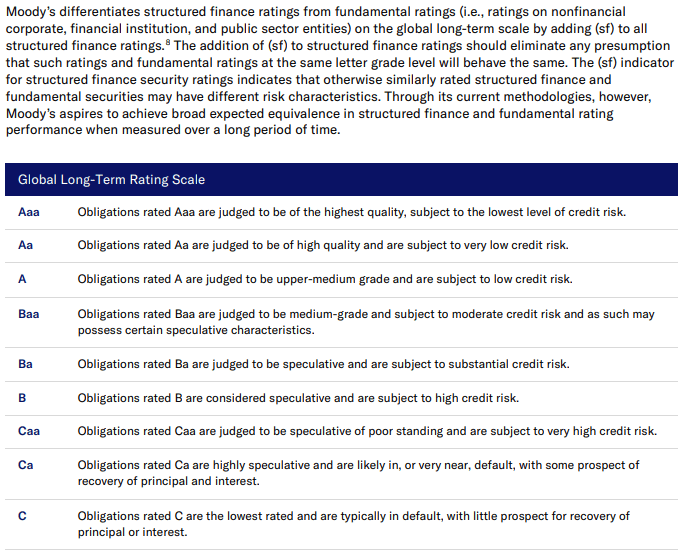
Moody’s Ba2 Speculative-Grade Rating and Risk Assessment
Moody’s Investors Service has assigned a provisional Ba2 rating to the proposed bonds. This rating falls within the speculative-grade category, positioned two notches below the lowest investment-grade level, indicating that the obligations carry substantial risk and may be vulnerable to volatility.
Moody’s stated that its assessment considered collateral risks, the transaction structure, and operational risks associated with various service providers involved in the bond arrangement.
BitGo Custody Role and Collateral Safeguard Mechanisms
Digital asset firm BitGo will act as both custodian and liquidation agent for the bitcoin collateral. The company will hold the assets in segregated wallets and will be responsible for liquidating bitcoin to meet interest and principal payments when required.
The bonds will include standard protection mechanisms, including initial collateral coverage of 1.60x and a loan-to-value trigger at 1.40x, which would activate mandatory redemption if collateral values decline. The official launch timeline has not yet been disclosed.
Disclaimer
This content is for informational purposes only and does not constitute financial, investment, or legal advice. Cryptocurrency trading involves risk and may result in financial loss.