

Photo: Illustrative
Bitcoin Mining Centralization vs AI Decentralization Trends May Be Moving in Opposite Directions
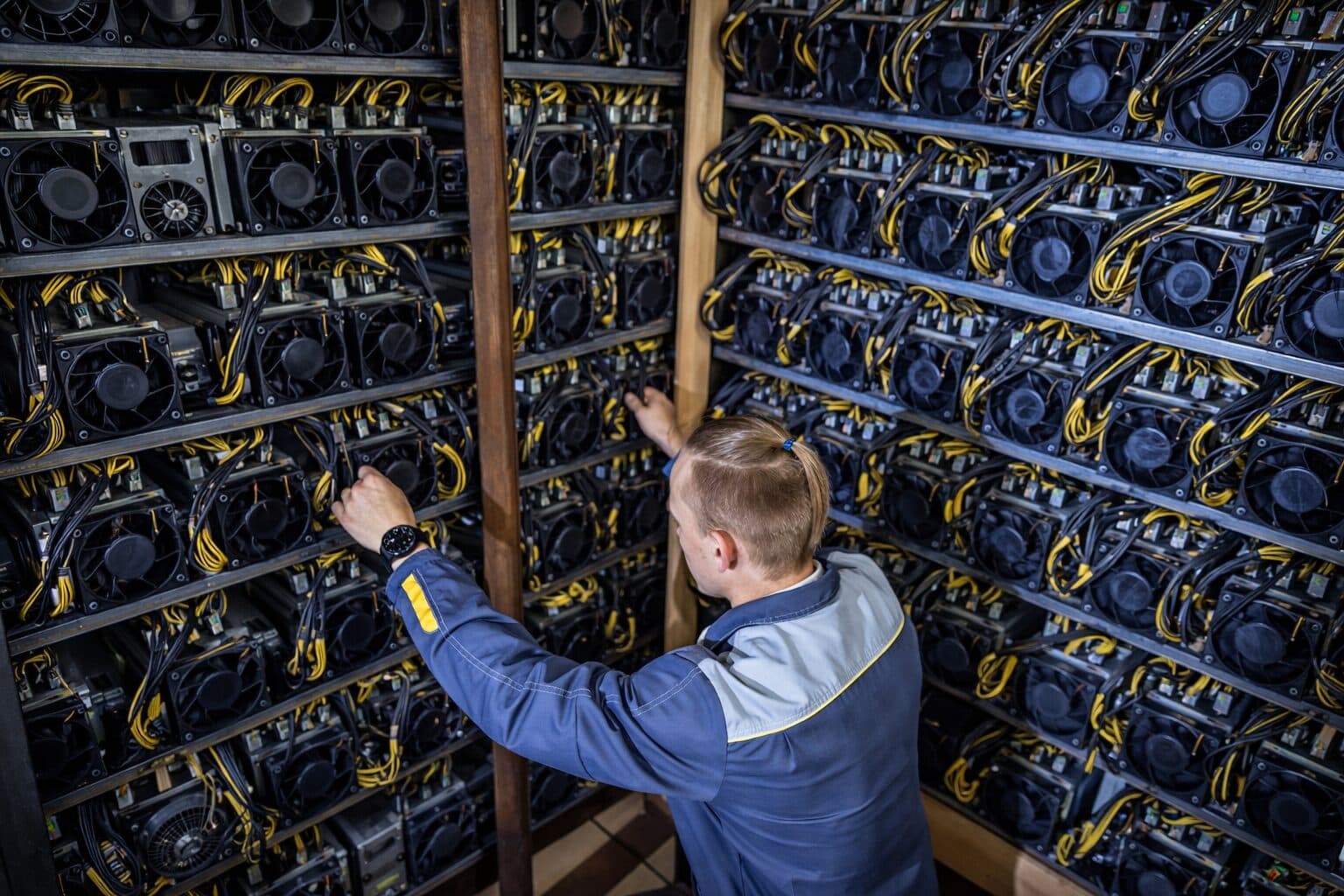
Bitcoin mining and artificial intelligence may be heading in opposite directions when it comes to decentralization, according to Galaxy Research head Alex Thorn. He noted that Bitcoin mining, which initially began as a highly decentralized activity using personal computers, has gradually shifted toward industrial-scale operations dominated by ASIC hardware and large mining farms, increasing centralization pressure over time.

Bitcoin mining and artificial intelligence may be heading in opposite directions when it comes to decentralization, according to Galaxy Research head Alex Thorn. He noted that Bitcoin mining, which initially began as a highly decentralized activity using personal computers, has gradually shifted toward industrial-scale operations dominated by ASIC hardware and large mining farms, increasing centralization pressure over time.
Thorn argued that AI is evolving differently. He said AI systems started out centralized in large cloud-based data centers, but are now being pushed toward decentralization as open-source models improve. Factors such as data scarcity, context limitations, and memory constraints are encouraging the development of smaller, more efficient models that can run locally on devices, potentially shifting AI toward edge-based computing.
Edge AI Growth Could Reshape Computing Infrastructure
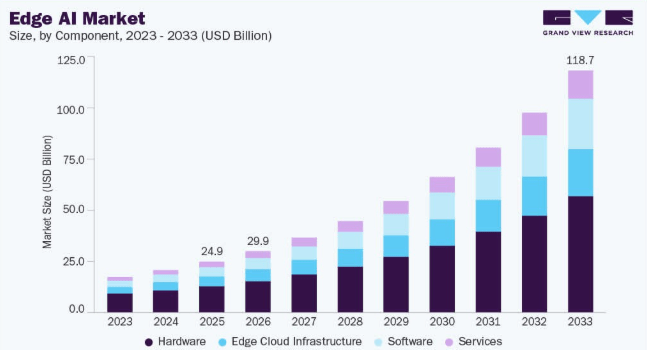
Edge AI refers to running artificial intelligence models directly on local devices instead of centralized servers. According to industry research, the global edge AI market is expected to grow from around $25 billion in 2025 to about $119 billion by 2033, driven by rising demand for low-latency processing, IoT expansion, and data privacy concerns.
Bitcoin Mining Faces Geographic and Cost-Driven Shifts
At the same time, Bitcoin mining is experiencing geographic redistribution. Rising energy costs in the United States have pushed mining expenses above $100,000 per BTC in some regions, making operations less viable. As a result, mining activity is shifting toward energy-rich regions such as Paraguay and Ethiopia, where surplus hydroelectric power offers cheaper production costs.
While this migration may diversify mining globally, analysts note that hardware concentration and industrial-scale operations still present centralization risks, even as geographic distribution improves network resilience.
Disclaimer
This content is for informational purposes only and does not constitute financial, investment, or legal advice. Cryptocurrency trading involves risk and may result in financial loss.
Live market reaction
Disclaimer
This content is for informational purposes only and does not constitute financial, investment, or legal advice. Cryptocurrency trading involves risk and may result in financial loss.
Start trading
with BloFin today
Up to $500 sign-up bonus and zero-fee trading on your first 30 days.
Buy crypto nowⓘ You will be redirected to BloFin
About the author
8+ years covering crypto markets, macro, and geopolitics. Previously at Decrypt and CoinDesk. Focused on the intersection of digital assets and traditional finance.

 Tristan R. ·
.jpeg&w=32&q=75) Laurisa ·
Laurisa ·