


Photo: Illustrative
CIA Expands Use of AI Co-Workers to Strengthen Intelligence and Counter-Espionage
The Central Intelligence Agency is preparing to integrate artificial intelligence “co-workers” into its internal analytic systems to help intelligence officers detect espionage threats and anticipate foreign adversary actions.
.jpeg)
The Central Intelligence Agency is preparing to integrate artificial intelligence “co-workers” into its internal analytic systems to help intelligence officers detect espionage threats and anticipate foreign adversary actions.
Deputy Director Michael Ellis said the agency expects AI assistants to be embedded across all analytic platforms within the next few years. Speaking at an event hosted by the Special Competitive Studies Project in Washington, DC, Ellis explained that the tools will function as a classified version of generative AI designed to support analysts with routine but critical tasks.
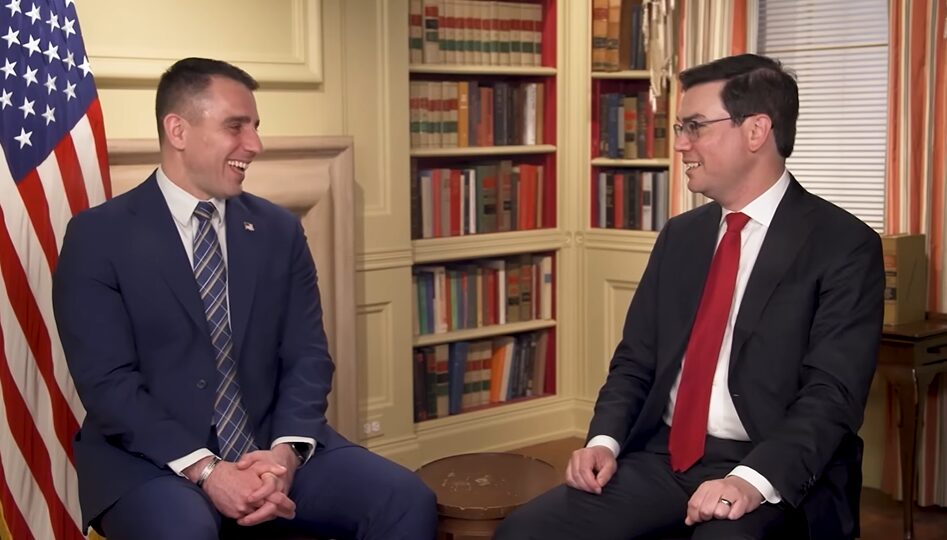
These AI systems are expected to help draft intelligence assessments, test analytical conclusions and identify hidden patterns within large volumes of global intelligence data. Despite the growing reliance on AI, Ellis emphasized that final decisions will continue to be made by human analysts.
Hundreds of AI Projects Already Underway
The CIA has already tested approximately 300 AI projects, focusing on capabilities such as processing large datasets, translating foreign languages and generating intelligence reports. Ellis confirmed that the agency recently produced its first intelligence report with AI assistance, signaling a broader shift toward automation-supported intelligence work.
Dispute With AI Providers Highlights Security Concerns
The agency’s push into AI comes during an ongoing dispute involving the United States Department of Defense and AI developer Anthropic. Although Anthropic previously secured a $200 million contract, it restricted the use of its flagship AI model Claude for mass domestic surveillance and fully autonomous weapons.
In March 2026, Donald Trump ordered federal agencies to stop using Anthropic technology, while defense officials labeled the company a supply chain risk. A US appeals court later denied Anthropic’s request to temporarily pause the designation, leaving the dispute unresolved.
Global Competition Driving AI Expansion
Ellis noted that maintaining technological leadership remains a priority, particularly as competition with China intensifies. He stated that the gap in technological innovation between the United States and China has narrowed significantly compared to a decade ago.
Ellis has also highlighted the importance of Bitcoin transparency, noting that blockchain data analysis supports counterintelligence investigations and represents another critical area of global technological competition.
Disclaimer
This content is for informational purposes only and does not constitute financial, investment, or legal advice. Cryptocurrency trading involves risk and may result in financial loss.
Live market reaction
Disclaimer
This content is for informational purposes only and does not constitute financial, investment, or legal advice. Cryptocurrency trading involves risk and may result in financial loss.
Start trading
with BloFin today
Up to $500 sign-up bonus and zero-fee trading on your first 30 days.
Buy crypto nowⓘ You will be redirected to BloFin
About the author
Emerging voice in crypto journalism with a background in fintech and digital economics. Covers DeFi, NFTs, and the evolving regulatory landscape.
Former SEC Acting Chair Says Agency Dropped Crypto Cases to Protect Its Credibility
 Tristan R. ·
Quantum-Safe Bitcoin Transaction Cost Falls 79% to Under $67, StarkWare Says
Tristan R. · 
US Weighs Global Push for Dollar Backed Stablecoins to Protect Dollar’s Reserve Status
.jpeg&w=32&q=75) Laurisa ·
Laurisa ·