


Photo: Illustrative
Ethereum Economic Zone Could Unify Layer-2 Rollups and Expand Connectivity to External Blockchains
A new initiative known as the Ethereum Economic Zone (EEZ) is being developed to address fragmentation across Ethereum’s expanding layer-2 ecosystem. Blockchain infrastructure company Gnosis, working with zero-knowledge virtual machine project Zisk, introduced the proposal on March 29 to create tighter integration between Ethereum’s base layer and its rollups.

A new initiative known as the Ethereum Economic Zone (EEZ) is being developed to address fragmentation across Ethereum’s expanding layer-2 ecosystem. Blockchain infrastructure company Gnosis, working with zero-knowledge virtual machine project Zisk, introduced the proposal on March 29 to create tighter integration between Ethereum’s base layer and its rollups.
The EEZ framework keeps Ether (ETH) as the primary gas token and settlement layer while enabling smart contracts to communicate across different networks using atomic execution. This means transactions across Ethereum and connected rollups can occur simultaneously, improving efficiency and reducing duplication of applications across multiple chains.
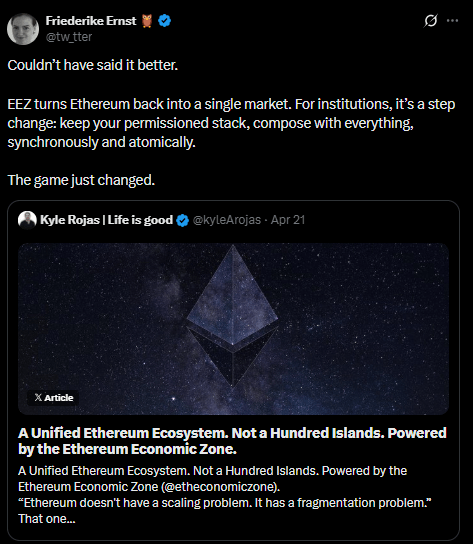
The concept aims to make Ethereum function as a unified economic system rather than a collection of isolated rollups, a shift that could significantly improve liquidity flow across decentralized finance and digital asset applications.
Rollup Growth Has Reduced Fees but Increased Ecosystem Complexity
Ethereum’s shift toward rollups followed repeated spikes in transaction costs during periods of heavy activity, including major waves driven by early token launches, decentralized finance growth, and non-fungible token adoption.
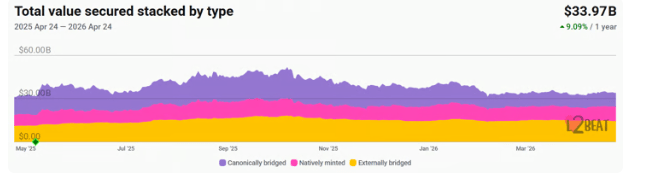
While rollups have reduced congestion and secured nearly $34 billion in locked assets as of late April, they have also fragmented liquidity. Many protocols now operate multiple versions across separate chains, increasing maintenance demands and dividing user activity across different markets.
The EEZ seeks to solve this by allowing chains to verify and share their network state with each other. Under this system, smart contracts on one network could call contracts on another and receive responses within the same block, making separate chains function more like one coordinated network.
Technical Requirements May Limit Participation From Some Networks
To join the EEZ, blockchains must meet three primary conditions. They must define a clear state transition process, generate cryptographic proofs verifying each block’s state, and support synchronized reorganization with Ethereum during block updates.
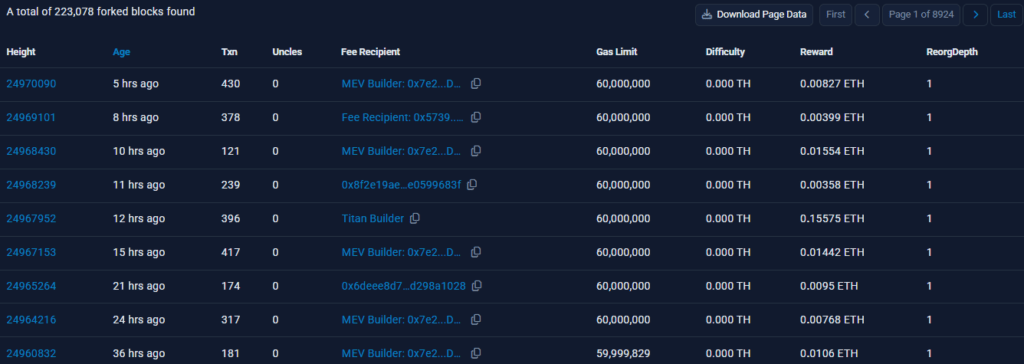
The final requirement is considered the most challenging, as Ethereum periodically reorganizes recent blocks to resolve competing versions of transaction history. Although these reorganizations are typically minor, participating networks must remain compatible to maintain atomic execution.
If widely adopted, the Ethereum Economic Zone could expand beyond rollups to include external blockchains, potentially transforming Ethereum into a broader coordination layer for multi-chain digital
Disclaimer
This content is for informational purposes only and does not constitute financial, investment, or legal advice. Cryptocurrency trading involves risk and may result in financial loss.
Live market reaction
Disclaimer
This content is for informational purposes only and does not constitute financial, investment, or legal advice. Cryptocurrency trading involves risk and may result in financial loss.
Start trading
with BloFin today
Up to $500 sign-up bonus and zero-fee trading on your first 30 days.
Buy crypto nowⓘ You will be redirected to BloFin
About the author
8+ years covering crypto markets, macro, and geopolitics. Previously at Decrypt and CoinDesk. Focused on the intersection of digital assets and traditional finance.

.jpeg&w=32&q=75) Laurisa ·
Laurisa · 
 Tristan R. ·