

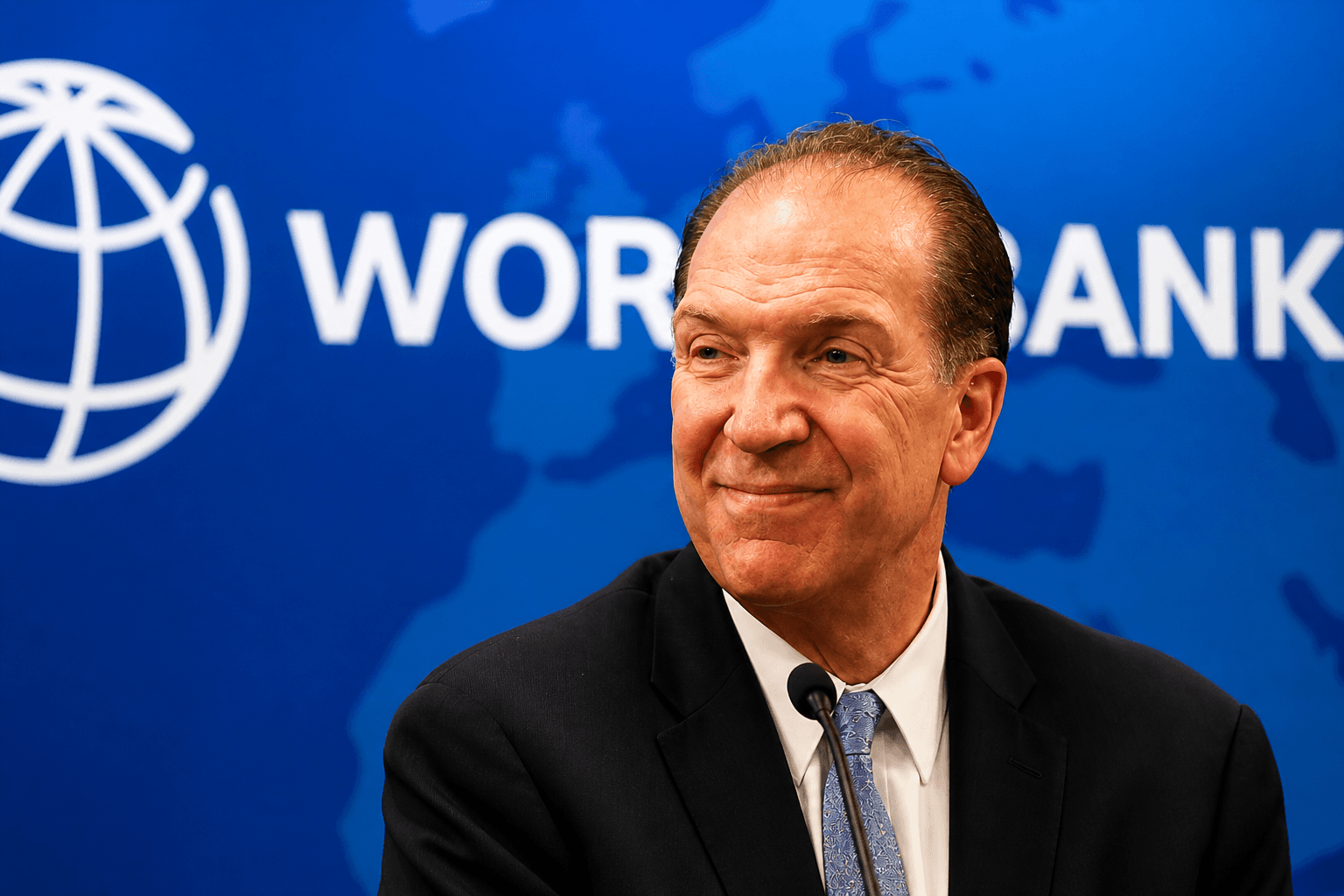
Photo: Illustrative
Fed’s $211B in Losses Since 2023 Are Draining Credit From the Real Economy, Malpass Warns
The Federal Reserve has accumulated over $211 billion in operating losses since 2023 and former World Bank President David Malpass says the numbers only tell half the story. The real damage, he argues, is what this structural trap is doing to businesses, lending, and long-term confidence in the dollar.
.jpeg)
The Federal Reserve has accumulated over $211 billion in operating losses since 2023 and former World Bank President David Malpass says the numbers only tell half the story. The real damage, he argues, is what this structural trap is doing to businesses, lending, and long-term confidence in the dollar.
The losses break down as follows: $114.6 billion in 2023, $77.5 billion in 2024, and another $19.6 billion in 2025. The Fed carries a deferred asset of roughly $245 billion meaning it cannot send any remittances back to the U.S. Treasury until that hole is filled. The Fed last turned a profit in 2022, when it returned $76 billion to the government.
The mechanism behind the losses is what Malpass finds most alarming. During the pandemic low-rate era, the Fed bought massive quantities of government bonds and mortgage backed securities. When rates surged, those low-yield assets became expensive to hold because the Fed now had to pay much higher interest on bank reserves and money market funds. In 2025 alone, the Fed paid approximately $167 billion in interest on reserve balances to banks and financial institutions, even after those payments declined from 2024 levels.
Malpass says this makes the Fed look less like a central bank and more like a leveraged bond fund borrowing short at high rates while holding long at low yields. Banks, meanwhile, have no incentive to lend into the real economy. Parking money with the Fed at risk-free rates beats making small business loans, financing inventory, or funding expansion and hiring. Capital that could be driving growth is instead sitting idle on central bank balance sheets.
For crypto markets, this dynamic matters. A structurally weakened dollar and a Treasury market losing its remittance pipeline have historically supported demand for non-sovereign stores of value. Bitcoin’s role as a hard-asset alternative becomes more relevant not less when confidence in the fiat system is the question being asked.
There’s no clean exit. If the Fed unwinds its balance sheet too fast, bond markets risk breaking. If it holds the course, private credit keeps shrinking. And if the losses keep growing, Malpass warns, it’s dollar and Treasury market credibility — not just accounting — that becomes the real risk.
The U.S. dollar index remains under pressure as Treasury remittance concerns and rising federal debt costs weigh on sentiment.
Live market reaction
Disclaimer
This content is for informational purposes only and does not constitute financial, investment, or legal advice. Cryptocurrency trading involves risk and may result in financial loss.
Start trading
with BloFin today
Up to $500 sign-up bonus and zero-fee trading on your first 30 days.
Buy crypto nowⓘ You will be redirected to BloFin
About the author
Emerging voice in crypto journalism with a background in fintech and digital economics. Covers DeFi, NFTs, and the evolving regulatory landscape.

 Tristan R. ·
.jpeg&w=32&q=75) Laurisa ·
Laurisa ·