





Photo: Illustrative
Iran War Could End Era of Cheap Money as Inflation Risks Rise
The ongoing Iran war is raising concerns about a lasting shift in global inflation dynamics, as disruptions in energy supply expose the fragility of international markets. Recent tensions around the Strait of Hormuz have highlighted how vulnerable major economies are to oil shocks, with shortages affecting countries reliant on stable energy imports.

The ongoing Iran war is raising concerns about a lasting shift in global inflation dynamics, as disruptions in energy supply expose the fragility of international markets. Recent tensions around the Strait of Hormuz have highlighted how vulnerable major economies are to oil shocks, with shortages affecting countries reliant on stable energy imports.
Experts warn that the conflict may create a structural “inflation floor,” where rising energy costs persist beyond the immediate crisis. This shift challenges the long-standing model of globalized, price-driven energy trade, as nations increasingly prioritize energy security and self-reliance over cost efficiency.
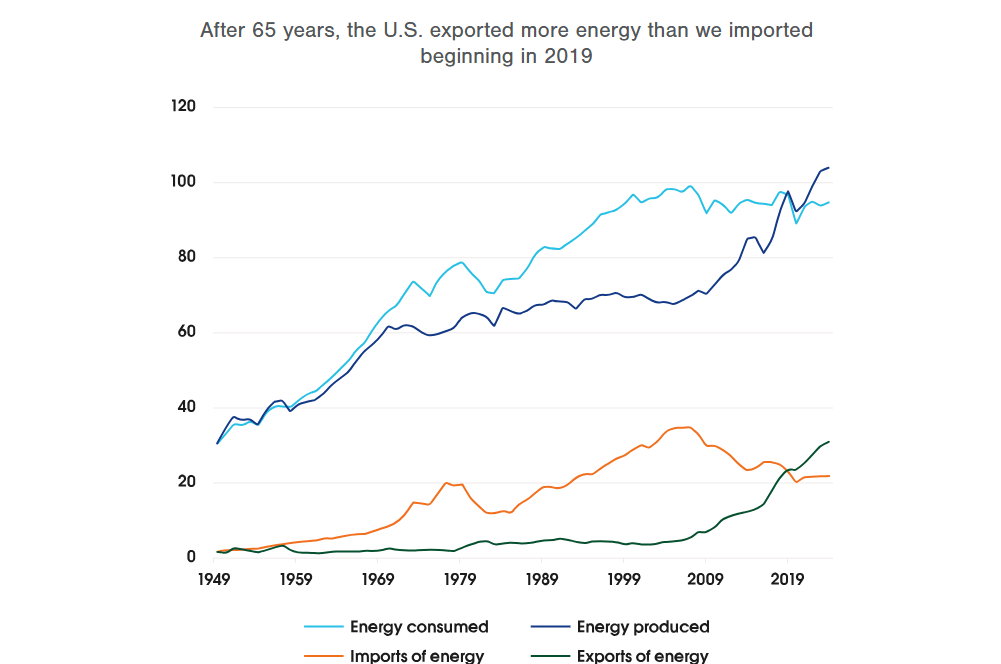
The push for energy independence is expected to accelerate the fragmentation of global energy markets. Governments may adopt policies such as strategic stockpiling, subsidies, and tighter control over domestic supply chains. While these measures aim to reduce risk, they could also lead to higher costs, slower innovation, and reduced efficiency across industries.
According to Energy Market Expert Anas Alhajji;
Impact on Central Banks and Asset Markets
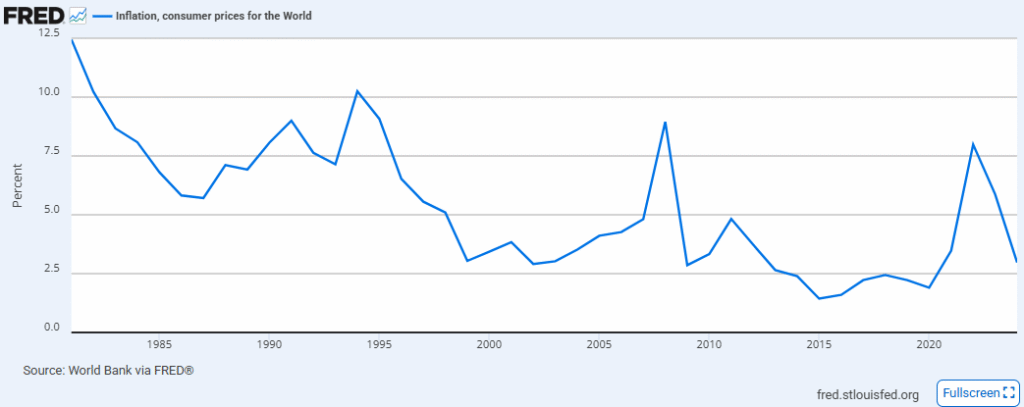
Sustained inflation may limit central banks’ ability to cut interest rates or inject liquidity during downturns. This marks a departure from the post-2008 era of easy money, potentially capping returns and increasing volatility across stocks, bonds, and cryptocurrencies.
Disclaimer
This content is for informational purposes only and does not constitute financial, investment, or legal advice. Cryptocurrency trading involves risk and may result in financial loss.
Live market reaction
Disclaimer
This content is for informational purposes only and does not constitute financial, investment, or legal advice. Cryptocurrency trading involves risk and may result in financial loss.
Start trading
with BloFin today
Up to $500 sign-up bonus and zero-fee trading on your first 30 days.
Buy crypto nowⓘ You will be redirected to BloFin
About the author
8+ years covering crypto markets, macro, and geopolitics. Previously at Decrypt and CoinDesk. Focused on the intersection of digital assets and traditional finance.

BitMine Expands Ethereum Holdings With $238M Purchase, Nears 5% Supply Target
.jpeg&w=32&q=75) Laurisa ·
Laurisa · 
Bitcoin Price Outlook: Why BTC Could Move Toward $95K After $80K Recovery
 Tristan R. ·
Trump-Linked World Liberty Files Defamation Case Against Justin Sun Over WLFI Token Dispute
Laurisa ·