

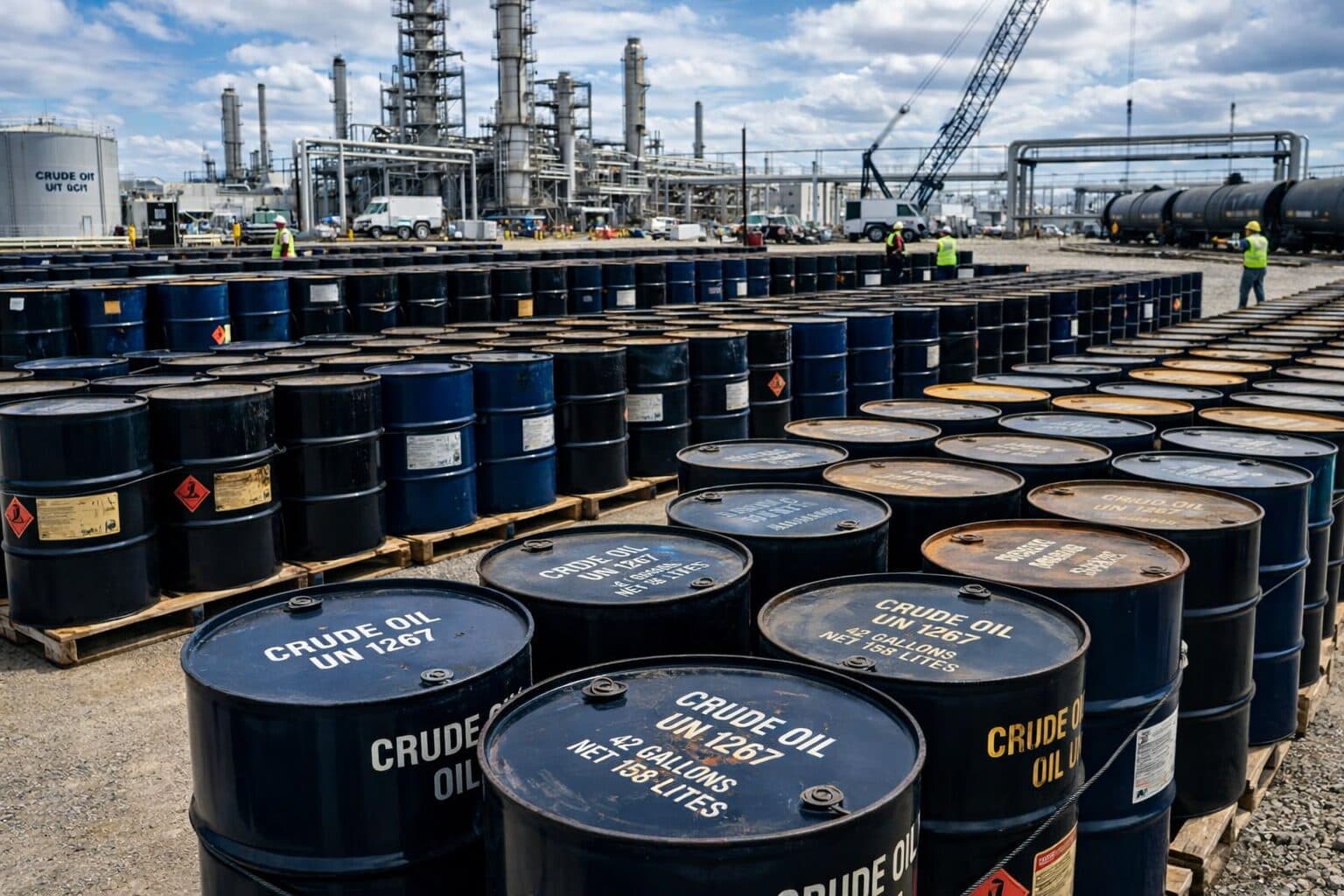
Photo: Illustrative
Oil Prices Jump Above $105 After Trump Rejects Iran Peace Proposal
Global oil prices surged sharply on Monday after US President Donald Trump rejected Iran’s response to a proposed peace agreement, increasing concerns over supply disruptions as tensions around the Strait of Hormuz continue.
.jpeg)
Global oil prices surged sharply on Monday after US President Donald Trump rejected Iran’s response to a proposed peace agreement, increasing concerns over supply disruptions as tensions around the Strait of Hormuz continue.
Oil Market Reacts to Rising Middle East Tensions
Brent crude rose by more than $8, reaching $109.45 per barrel, while US West Texas Intermediate climbed to nearly $99.80. The gains followed Trump’s statement describing Iran’s response as “unacceptable,” reducing hopes for a quick resolution to the ongoing conflict.
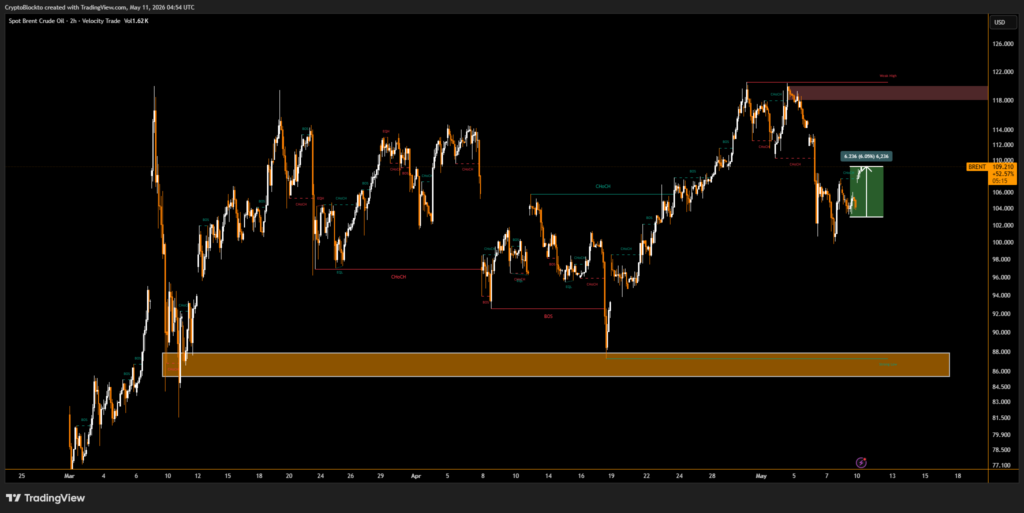
The Strait of Hormuz, a major route for global oil shipments, remains heavily disrupted. Market concerns have increased as reports suggest some tankers are moving through the region with tracking systems turned off to reduce security risks.
Strait of Hormuz Disruptions Raise Supply Concerns
Energy markets remain sensitive after nearly one billion barrels of oil supply were reportedly disrupted over the past two months. Analysts say uncertainty around the Middle East situation may continue to support higher oil prices.
Attention is now shifting to Trump’s upcoming visit to China, where discussions with President Xi Jinping are expected to include Iran and energy security concerns.
Live market reaction
Disclaimer
This content is for informational purposes only and does not constitute financial, investment, or legal advice. Cryptocurrency trading involves risk and may result in financial loss.
Start trading
with BloFin today
Up to $500 sign-up bonus and zero-fee trading on your first 30 days.
Buy crypto nowⓘ You will be redirected to BloFin
About the author
Emerging voice in crypto journalism with a background in fintech and digital economics. Covers DeFi, NFTs, and the evolving regulatory landscape.
 Tristan R. ·
.jpeg&w=32&q=75) Laurisa ·
Laurisa ·