




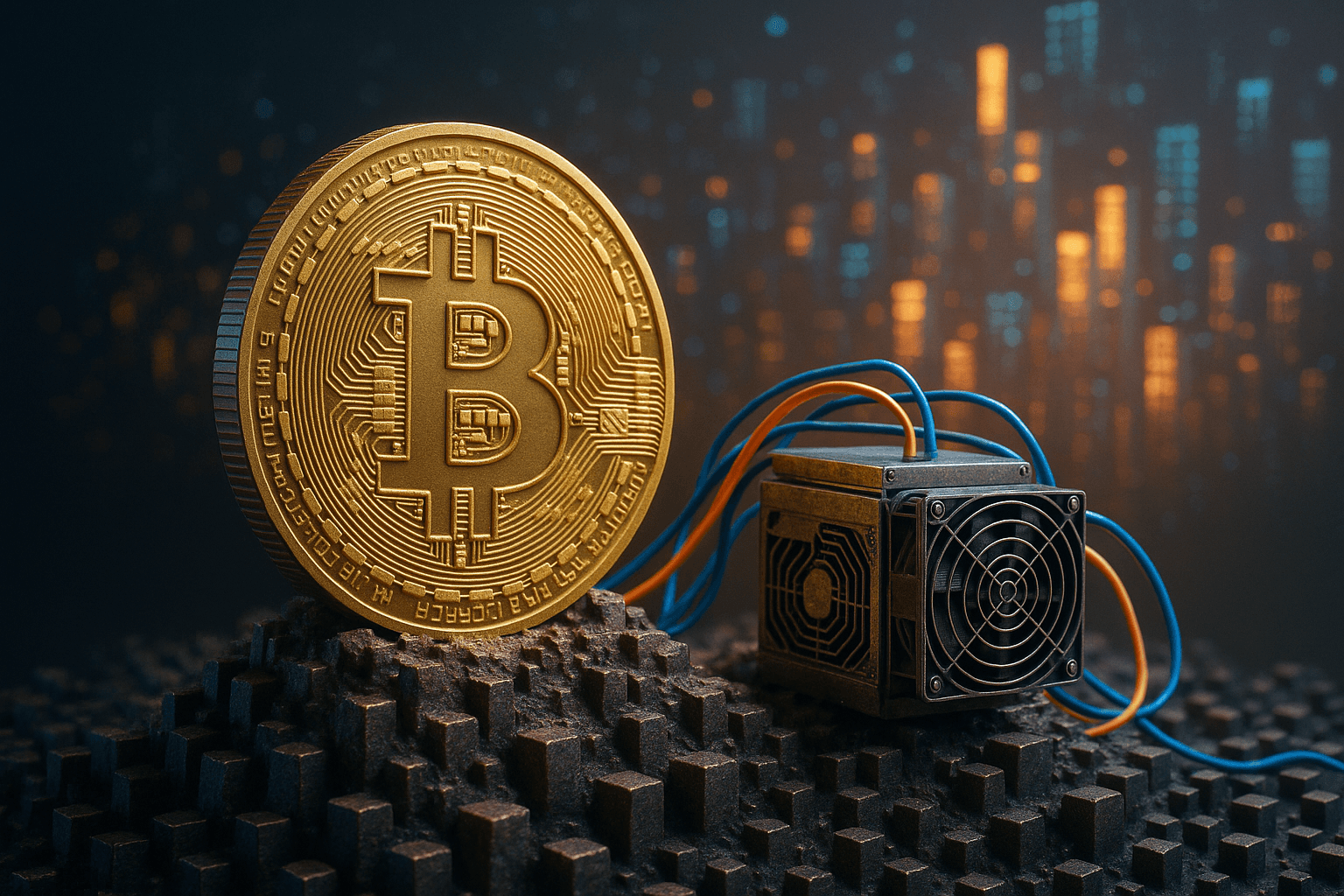
Photo: Illustrative
Paradigm Argues Bitcoin Mining Supports Power Grids Rather Than Draining Them
Paradigm is challenging the narrative that Bitcoin mining is a major strain on electricity grids, arguing instead that it functions as a flexible market participant. As artificial intelligence data centers expand rapidly across the United States, concerns over energy consumption and rising power costs have resurfaced, with Bitcoin mining often grouped alongside high-density computing infrastructure.
.jpeg)
Paradigm is challenging the narrative that Bitcoin mining is a major strain on electricity grids, arguing instead that it functions as a flexible market participant. As artificial intelligence data centers expand rapidly across the United States, concerns over energy consumption and rising power costs have resurfaced, with Bitcoin mining often grouped alongside high-density computing infrastructure.
Paradigm’s research contends that this comparison oversimplifies how mining operates. Unlike AI facilities that typically run continuously, Bitcoin miners respond to electricity prices and grid conditions, adjusting consumption when supply tightens or demand spikes.
Bitcoin Mining as Flexible Grid Demand
According to Paradigm, Bitcoin mining represents roughly 0.23% of global energy consumption and about 0.08% of carbon emissions. The firm argues that energy use is tied to network security incentives rather than transaction volume, and that mining rewards decline over time, limiting long-term growth in power demand.
The report emphasizes that miners frequently source low-cost or surplus electricity and can curtail operations during grid stress events. By framing mining as responsive demand rather than constant load, Paradigm suggests policymakers should assess Bitcoin within broader electricity market dynamics instead of treating it as a fixed energy drain.
Disclaimer
This content is for informational purposes only and does not constitute financial, investment, or legal advice. Cryptocurrency trading involves risk and may result in financial loss.
Live market reaction
Disclaimer
This content is for informational purposes only and does not constitute financial, investment, or legal advice. Cryptocurrency trading involves risk and may result in financial loss.
Start trading
with BloFin today
Up to $500 sign-up bonus and zero-fee trading on your first 30 days.
Buy crypto nowⓘ You will be redirected to BloFin
About the author
Emerging voice in crypto journalism with a background in fintech and digital economics. Covers DeFi, NFTs, and the evolving regulatory landscape.

BitMine Expands Ethereum Holdings With $238M Purchase, Nears 5% Supply Target
.jpeg&w=32&q=75) Laurisa ·
Laurisa · 
Bitcoin Price Outlook: Why BTC Could Move Toward $95K After $80K Recovery
 Tristan R. ·
Trump-Linked World Liberty Files Defamation Case Against Justin Sun Over WLFI Token Dispute
Laurisa ·