

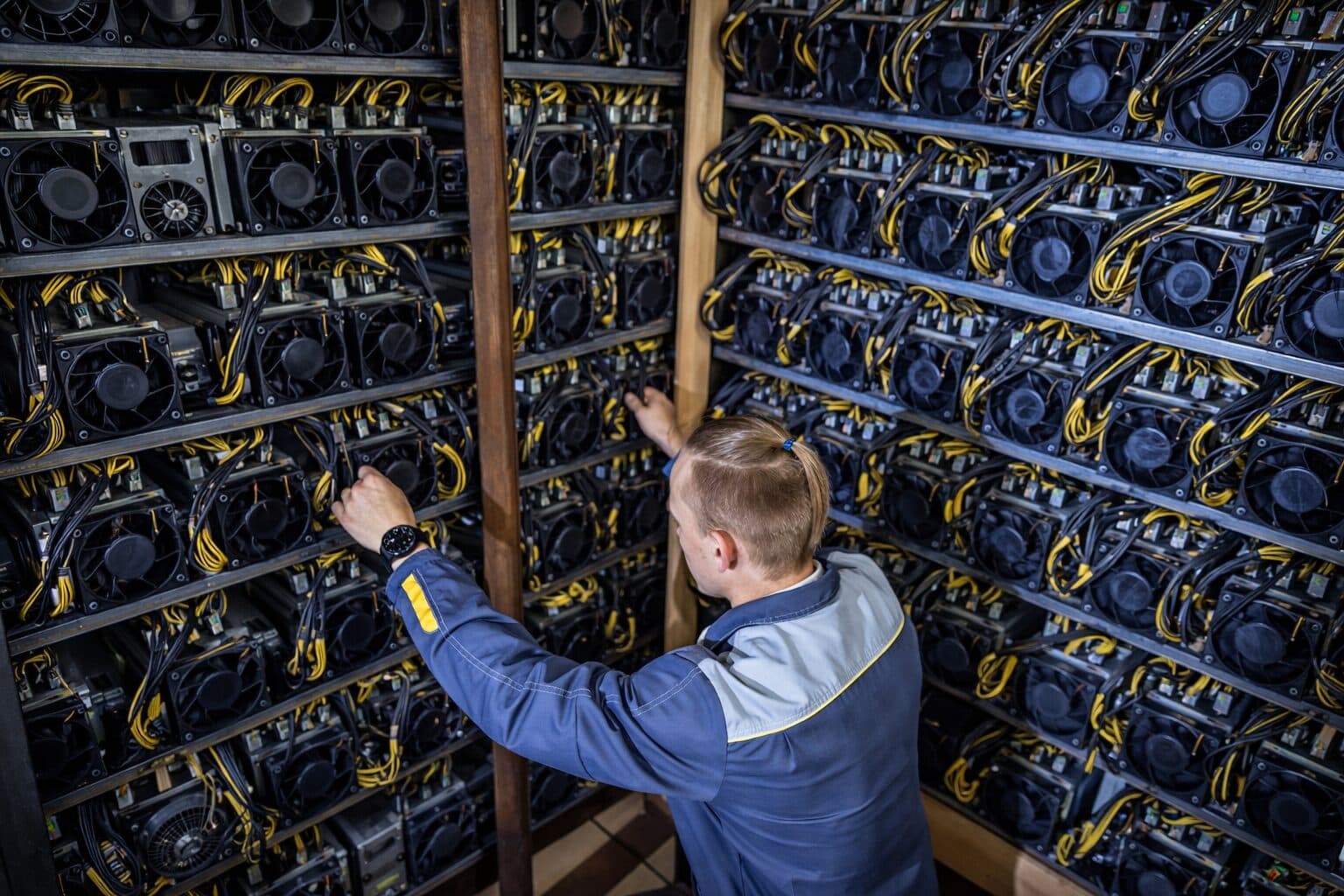
Photo: Illustrative
Seven Bitcoin Mining Pools Join Stratum V2 Working Group to Strengthen Network Decentralization
Seven major Bitcoin mining pools have joined the Stratum V2 working group to help develop an open communication protocol between pool operators and individual miners. The participating groups include AntPool, Block Inc, F2Pool, Foundry, MARA Foundation, SpiderPool, and DMND. The initiative focuses on improving how block templates are shared and validated across mining systems.
.jpeg)
Major Mining Pools Push New Communication Standard
Seven major Bitcoin mining pools have joined the Stratum V2 working group to help develop an open communication protocol between pool operators and individual miners. The participating groups include AntPool, Block Inc, F2Pool, Foundry, MARA Foundation, SpiderPool, and DMND. The initiative focuses on improving how block templates are shared and validated across mining systems.
Stratum V2 is designed to replace older mining communication methods that give pool operators full control over block construction. In the current system, miners must accept block templates provided by the pool, limiting flexibility in transaction selection.
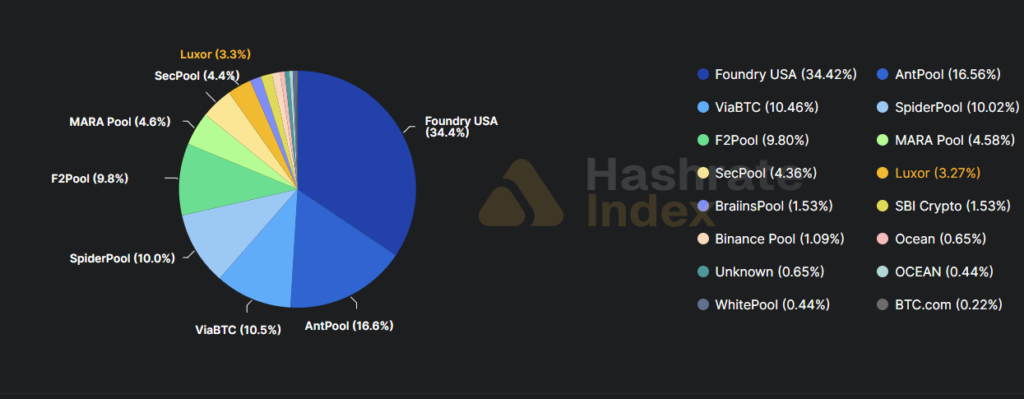
Foundry and AntPool Lead Industry Hashrate
Foundry and AntPool remain the largest contributors to global mining power, controlling nearly 30% and 17.7% of total Bitcoin hashrate respectively. Their involvement in the working group signals strong industry support for standardization efforts aimed at improving efficiency and reducing centralization risks.
Rising Difficulty and Pressure on Miners
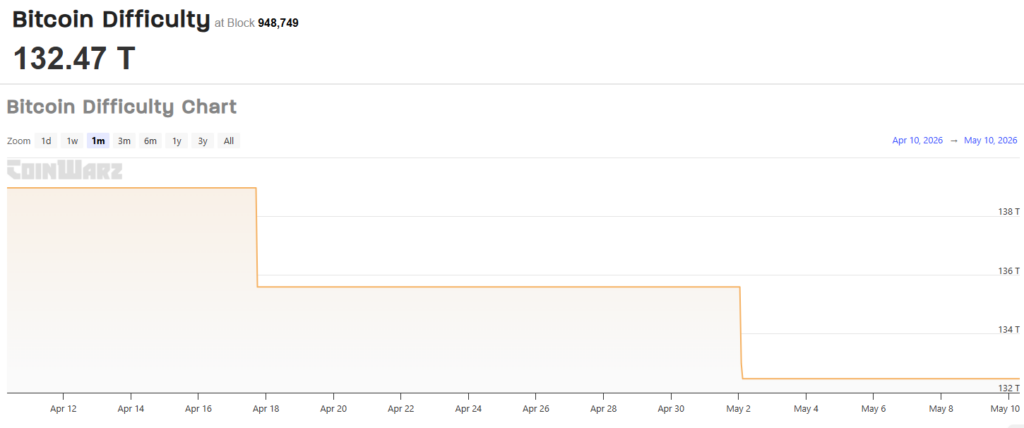
Bitcoin mining difficulty is expected to increase again in mid-May 2026, reaching an estimated 135.64 trillion. This reflects the growing computational demand required to secure the network. At the same time, rising energy costs are squeezing miner profitability, with estimates suggesting up to 20% of miners may currently operate at a loss.
Hashprice levels near $36–$38 per petahash per second indicate many mining operations are close to breakeven, increasing pressure for more efficient systems like Stratum V2 to support long-term sustainability.
Live market reaction
Disclaimer
This content is for informational purposes only and does not constitute financial, investment, or legal advice. Cryptocurrency trading involves risk and may result in financial loss.
Start trading
with BloFin today
Up to $500 sign-up bonus and zero-fee trading on your first 30 days.
Buy crypto nowⓘ You will be redirected to BloFin
About the author
Emerging voice in crypto journalism with a background in fintech and digital economics. Covers DeFi, NFTs, and the evolving regulatory landscape.
 Tristan R. ·
.jpeg&w=32&q=75) Laurisa ·
Laurisa ·