Photo: Illustrative
Tennessee Becomes Second US State to Ban Crypto ATMs in Fraud Crackdown
The U.S. state of Tennessee has become the second jurisdiction in the country to fully ban cryptocurrency ATMs, following similar action by Indiana. Governor Bill Lee signed House Bill 2505 into law on April 13 after it passed unanimously in both legislative chambers. The measure was officially codified on Thursday and is scheduled to take effect on July 1.
.jpeg)
The U.S. state of Tennessee has become the second jurisdiction in the country to fully ban cryptocurrency ATMs, following similar action by Indiana. Governor Bill Lee signed House Bill 2505 into law on April 13 after it passed unanimously in both legislative chambers. The measure was officially codified on Thursday and is scheduled to take effect on July 1.
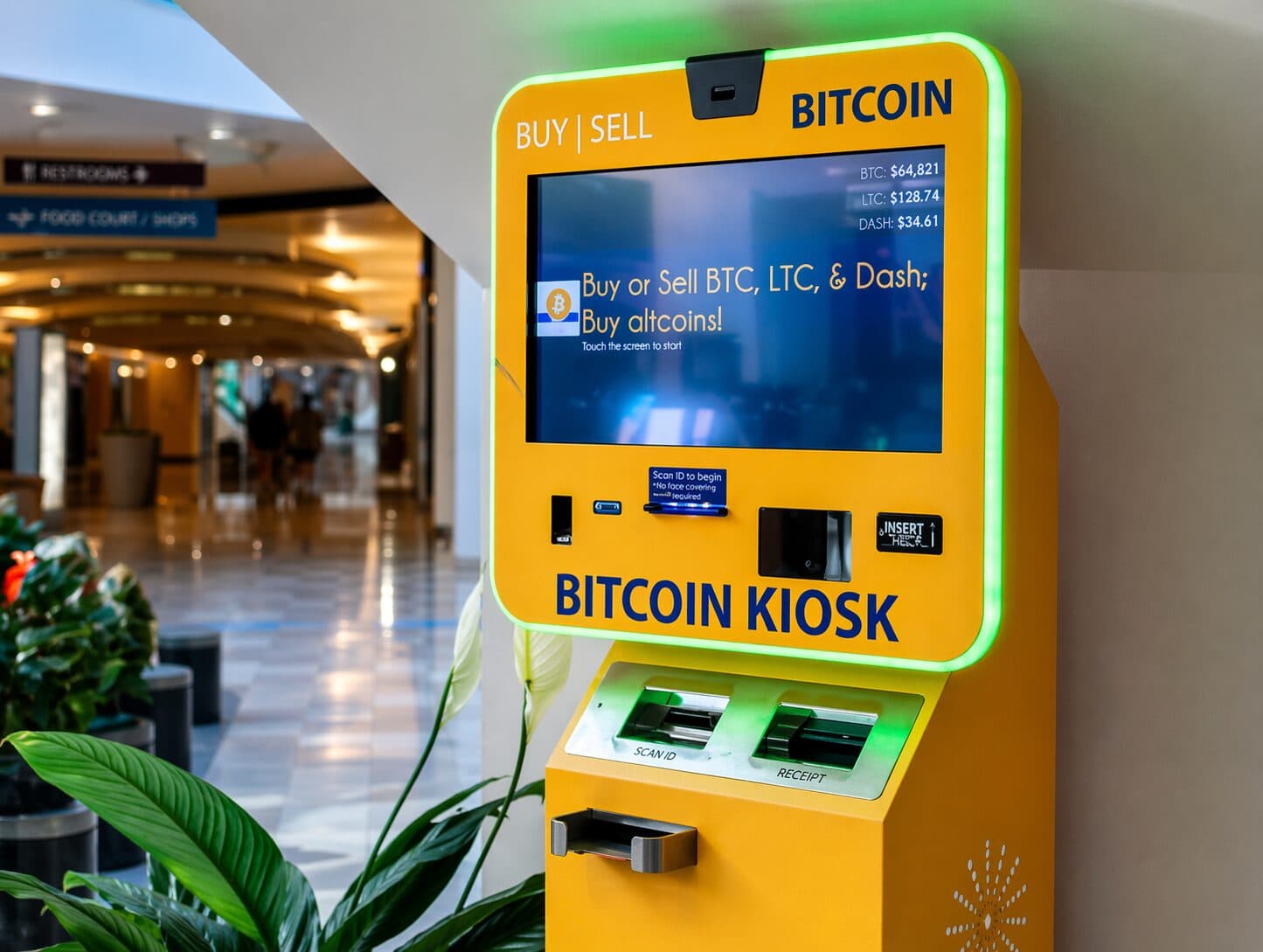
The law prohibits the installation and operation of virtual currency kiosks, commonly known as bitcoin ATMs, which are frequently located in gas stations, convenience stores and shopping malls. It extends liability beyond kiosk operators to include businesses that host the machines on their premises. Violating the law constitutes a Class A misdemeanor, carrying penalties of up to one year in prison and fines of up to $2,500.
Fraud Concerns Drive Stronger Restrictions
Crypto kiosks are designed to allow users to buy and sell digital assets using cash and transfer funds to external wallet addresses. However, authorities say scammers have increasingly used these machines to carry out fraud schemes. A common tactic involves criminals impersonating law enforcement or government officials and instructing victims to send payments through kiosks under threat of arrest or fabricated debts.
According to data from the Federal Bureau of Investigation, cryptocurrency kiosks were linked to nearly $390 million in reported losses in 2025, with older Americans making up a disproportionate share of victims.
Nationwide Trend Toward Regulation
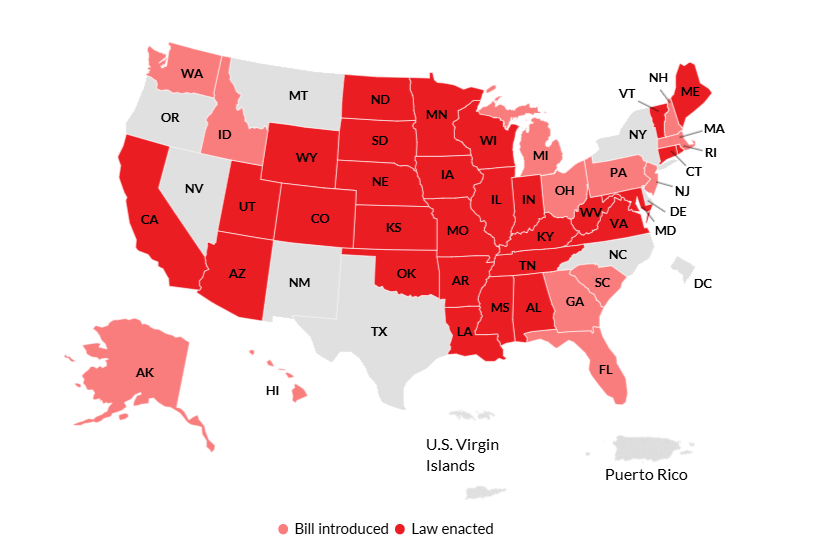
Most U.S. states have opted for stricter regulation rather than outright bans. Many jurisdictions now require crypto kiosk operators to obtain state licenses, impose daily transaction limits and, in some cases, offer refunds to scam victims. An AARP report noted that 30 states introduced crypto kiosk legislation in 2026 alone, bringing the total number of states with enacted laws related to these machines to 20.
Disclaimer
This content is for informational purposes only and does not constitute financial, investment, or legal advice. Cryptocurrency trading involves risk and may result in financial loss.
Live market reaction
Disclaimer
This content is for informational purposes only and does not constitute financial, investment, or legal advice. Cryptocurrency trading involves risk and may result in financial loss.
Start trading
with BloFin today
Up to $500 sign-up bonus and zero-fee trading on your first 30 days.
Buy crypto nowⓘ You will be redirected to BloFin
About the author
Emerging voice in crypto journalism with a background in fintech and digital economics. Covers DeFi, NFTs, and the evolving regulatory landscape.

 Guylian ·

.jpeg&w=32&q=75) Laurisa ·
Laurisa ·