




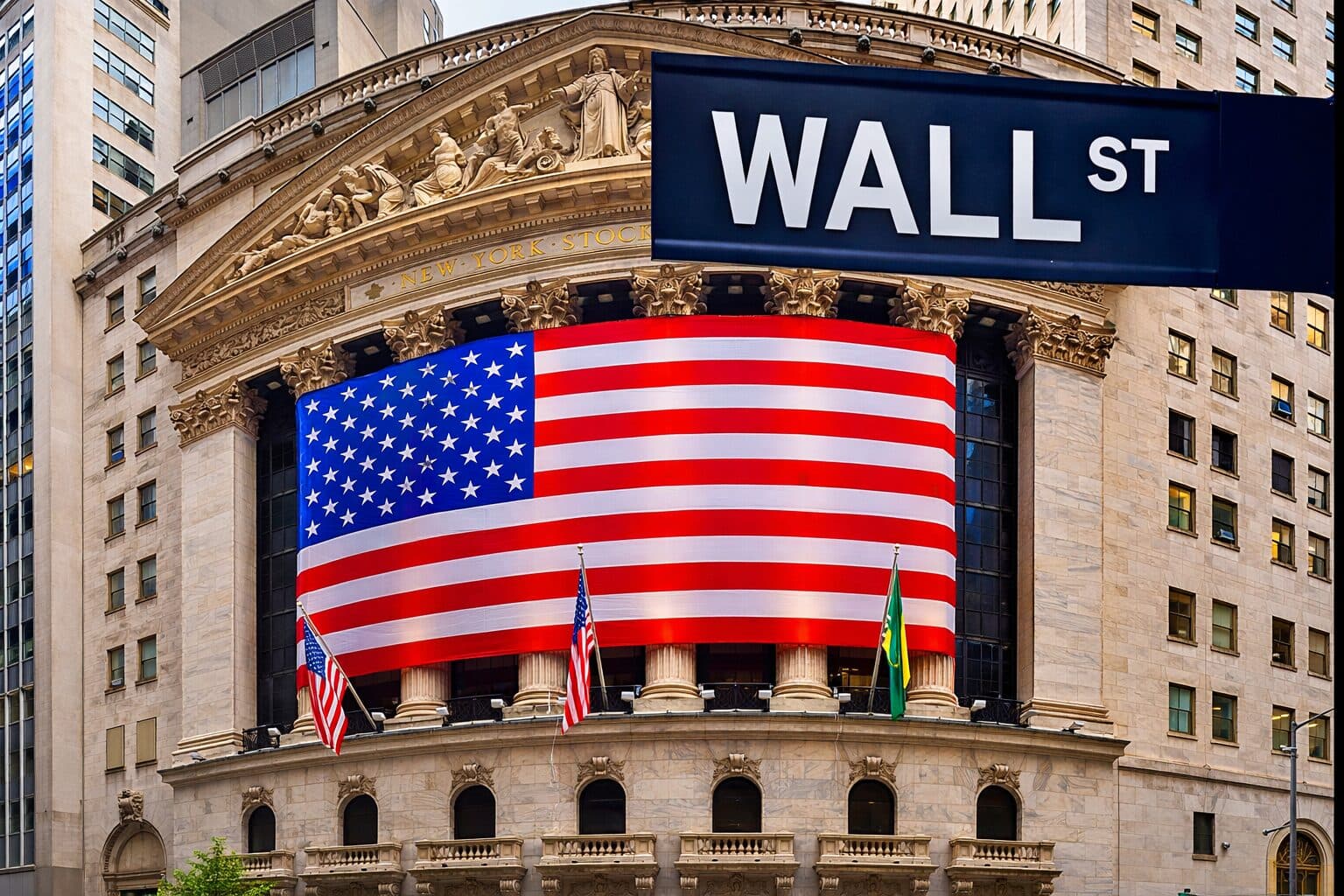
Photo: Illustrative
Wall Street’s Shift Toward Tokenized Stocks Faces Institutional Liquidity Challenges
Major financial exchanges are accelerating efforts to introduce tokenized stocks and extend trading hours closer to a 24/7 model. Tokenization allows traditional assets such as shares to be represented on blockchain networks, potentially enabling instant settlement and continuous market access.
.jpeg)
Major financial exchanges are accelerating efforts to introduce tokenized stocks and extend trading hours closer to a 24/7 model. Tokenization allows traditional assets such as shares to be represented on blockchain networks, potentially enabling instant settlement and continuous market access.
Partnerships between traditional exchanges and crypto platforms have recently gained momentum. Companies including Intercontinental Exchange and Nasdaq are exploring collaborations aimed at bringing tokenized equities into mainstream financial markets.
Institutional Investors Concerned About Instant Settlement
Despite the technological promise, many institutional investors remain cautious. In the current system, U.S. stock trades settle one business day after execution, commonly known as T+1 settlement. This delay allows brokers and trading firms to net positions and manage funding during the trading day.
Instant settlement on blockchain networks would require trades to be fully prefunded before execution. Large trading firms warn this could increase financing costs, strain liquidity during peak trading periods and complicate market operations.
Retail Traders May Drive Early Adoption
Retail investors are more likely to adopt tokenized markets first. Around 20% of U.S. equity trading volume already comes from individual traders, and participation can exceed 90% in certain highly speculative stocks.
For international retail investors, tokenized platforms could offer easier access to U.S. shares outside traditional market hours. If liquidity gradually shifts toward these venues, institutional traders may eventually follow despite current reservations.
Disclaimer
This content is for informational purposes only and does not constitute financial, investment, or legal advice. Cryptocurrency trading involves risk and may result in financial loss.
Live market reaction
Disclaimer
This content is for informational purposes only and does not constitute financial, investment, or legal advice. Cryptocurrency trading involves risk and may result in financial loss.
Start trading
with BloFin today
Up to $500 sign-up bonus and zero-fee trading on your first 30 days.
Buy crypto nowⓘ You will be redirected to BloFin
About the author
Emerging voice in crypto journalism with a background in fintech and digital economics. Covers DeFi, NFTs, and the evolving regulatory landscape.

BitMine Expands Ethereum Holdings With $238M Purchase, Nears 5% Supply Target
.jpeg&w=32&q=75) Laurisa ·
Laurisa · 
Bitcoin Price Outlook: Why BTC Could Move Toward $95K After $80K Recovery
 Tristan R. ·
Trump-Linked World Liberty Files Defamation Case Against Justin Sun Over WLFI Token Dispute
Laurisa ·