
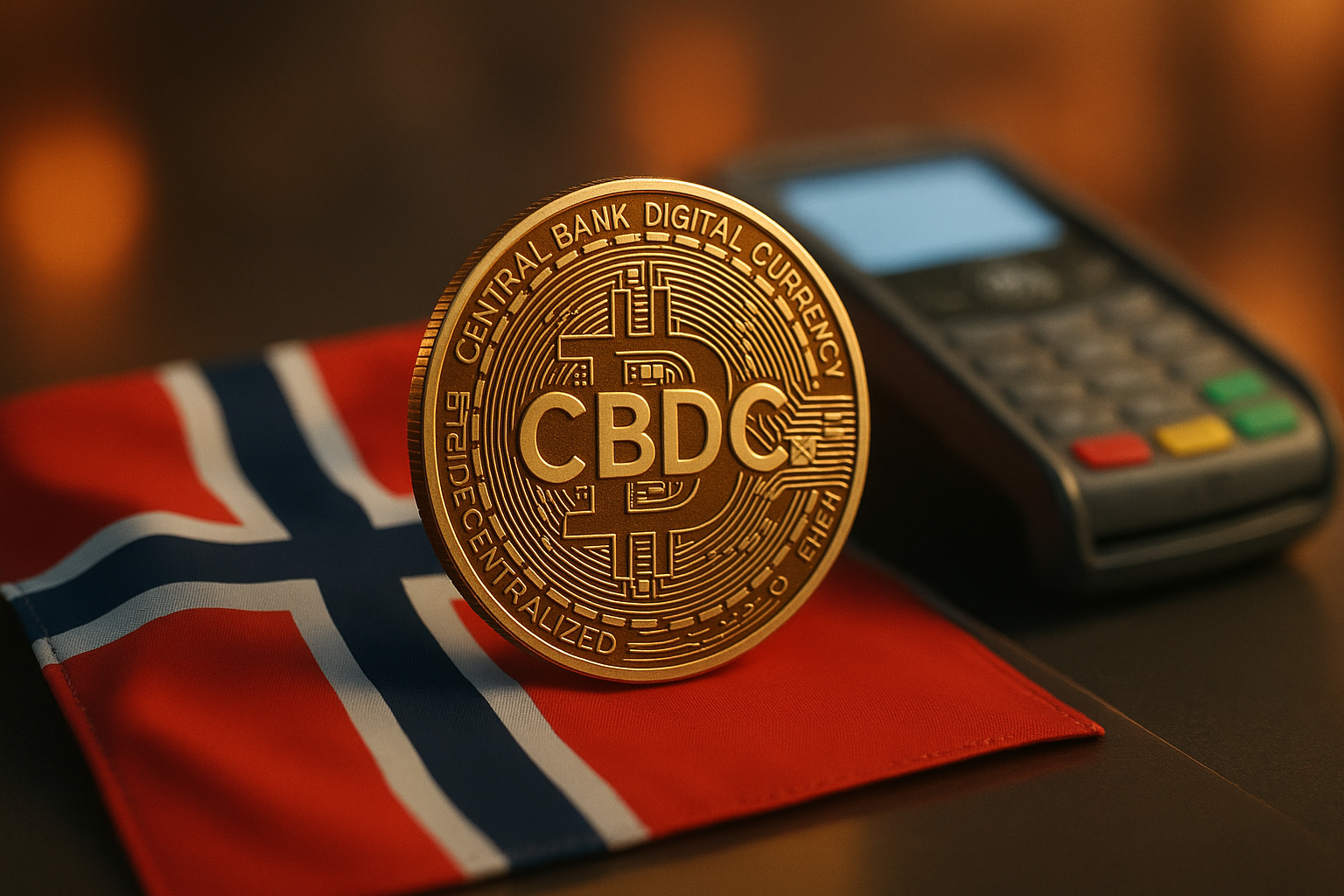
Central Bank Says Digital Krone Not Necessary for Now
Norway’s central bank has signaled a notable shift in its digital currency strategy, concluding that a central bank digital currency is not currently required to support the nations financial infrastructure. After years of research and testing, Norges Bank determined that the country’s existing payment rails already deliver secure, low-cost and efficient transactions reducing the immediate need for a retail or wholesale CBDC.
Why a Digital Krone Is Not Yet Needed
In its latest assessment, the central bank emphasized that Norway’s well-developed payment ecosystem continues to function reliably eliminating urgency for CBDC deployment. Governor Ida Wolden Bache stated that while a digital currency isn’t warranted today the bank will remain prepared if future developments demand new tools to preserve financial stability and efficiency. The central bank says that the benefits of both retail and wholesale CBDCs remain uncertain, especially given the lack of mature infrastructure or international standards.
Years of CBDC Research Put on Hold
The decision follows extensive experimentation, including blockchain-based settlement tests and participation in Project Icebreaker, which evaluated cross-border CBDC models. Despite these trials, the bank noted that wholesale CBDCs, though potentially useful for modernizing settlement systems, do not yet demonstrate clear advantages. It also highlighted that off-the-shelf technology for CBDC interoperability does not currently exist, slowing global adoption.
Norges Bank indicated that international developments may influence its position. If other central banks advance CBDCs Norway could adopt shared infrastructure or standards, including those being developed for the digital euro, projected for potential issuance in 2029.
Though paused for now, Norway’s approach keeps the door open for a digital krone should economic conditions or technological progress make it necessary.
Disclaimer
This content is for informational purposes only and does not constitute financial, investment, or legal advice. Cryptocurrency trading involves risk and may result in financial loss.