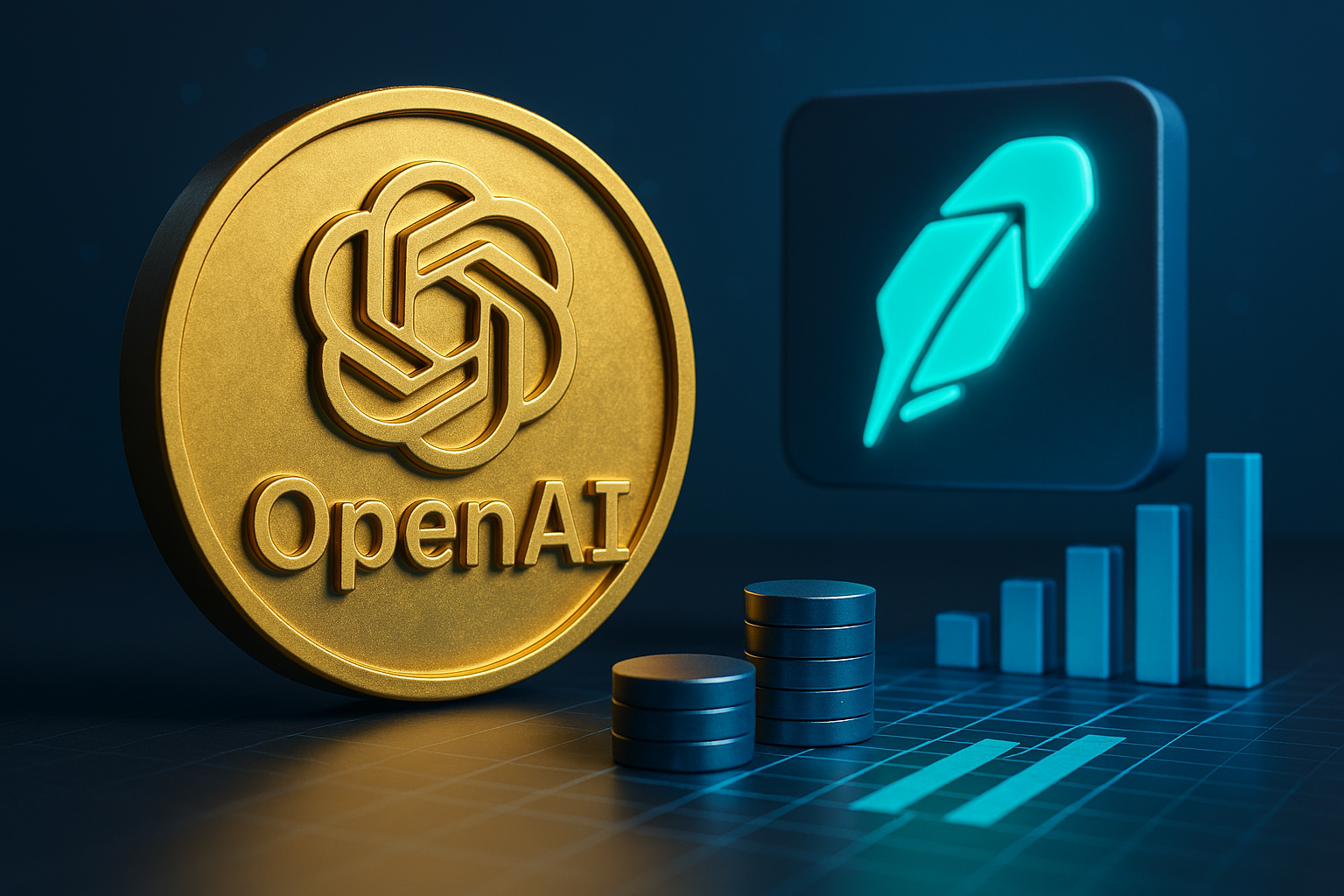
OpenAI has officially denied any involvement in a tokenized equity sale listed on Robinhood’s European platform, calling the offering unauthorized and misleading. This warning highlights the growing legal gray areas surrounding tokenized shares of private companies in the secondary market.
OpenAI: No Partnership, No Approval
In a public statement on social media, OpenAI declared that the so-called “OpenAI tokens” offered via Robinhood are not legitimate equity in the company.
“These ‘OpenAI tokens’ are not OpenAI equity. We did not partner with Robinhood, were not involved in this, and do not endorse it,” the company stated.
“Any transfer of OpenAI equity requires our approval — we did not approve any transfer.”
This announcement came in response to Robinhood’s recent launch of tokenized stock trading for European users, which includes access to 200 equities and ETFs on the Arbitrum blockchain. The platform has also listed shares of private firms like OpenAI and SpaceX, prompting regulatory and legal concerns.
Unclear Source of Tokenized Shares
The origin of the OpenAI tokenized equity remains unclear. While Robinhood’s CEO has suggested that these tokens may represent interests acquired via authorized secondary transactions, OpenAI has denied granting such permission.
This echoes past controversies in the tokenized asset space. In previous years, some startups attempted to list tokenized shares of high-profile tech firms without direct approval — prompting legal challenges and public denials from the companies involved.
Experts warn that private firms are not obligated to recognize equity sold without proper authorization, even if obtained through secondary channels.
Legal Risks for Unauthorized Equity Tokenization
According to venture capital leaders, the rise of unregulated tokenized equity markets may backfire. Companies like OpenAI, which remain privately held, can enforce shareholder agreements and cancel unauthorized equity transfers.
“I expect this natural tension to result in more private companies just cancelling equity sales altogether for those who violate their shareholders’ agreements,” wrote one investor.
What It Means for Investors
The controversy around Robinhood’s tokenized offerings raises questions about the legitimacy, enforceability, and investor protection associated with digital equity in private firms.
Key Takeaways:
- OpenAI has not authorized any tokenized equity sale on Robinhood.
- The source of the OpenAI tokenized shares remains unverified.
- Private companies may cancel unauthorized transfers, even if acquired via secondary markets.
- Investors should exercise caution when purchasing tokenized private equity without clear legal backing.
Disclaimer
This content is for informational purposes only and does not constitute financial, investment, or legal advice. Cryptocurrency trading involves risk and may result in financial loss.