
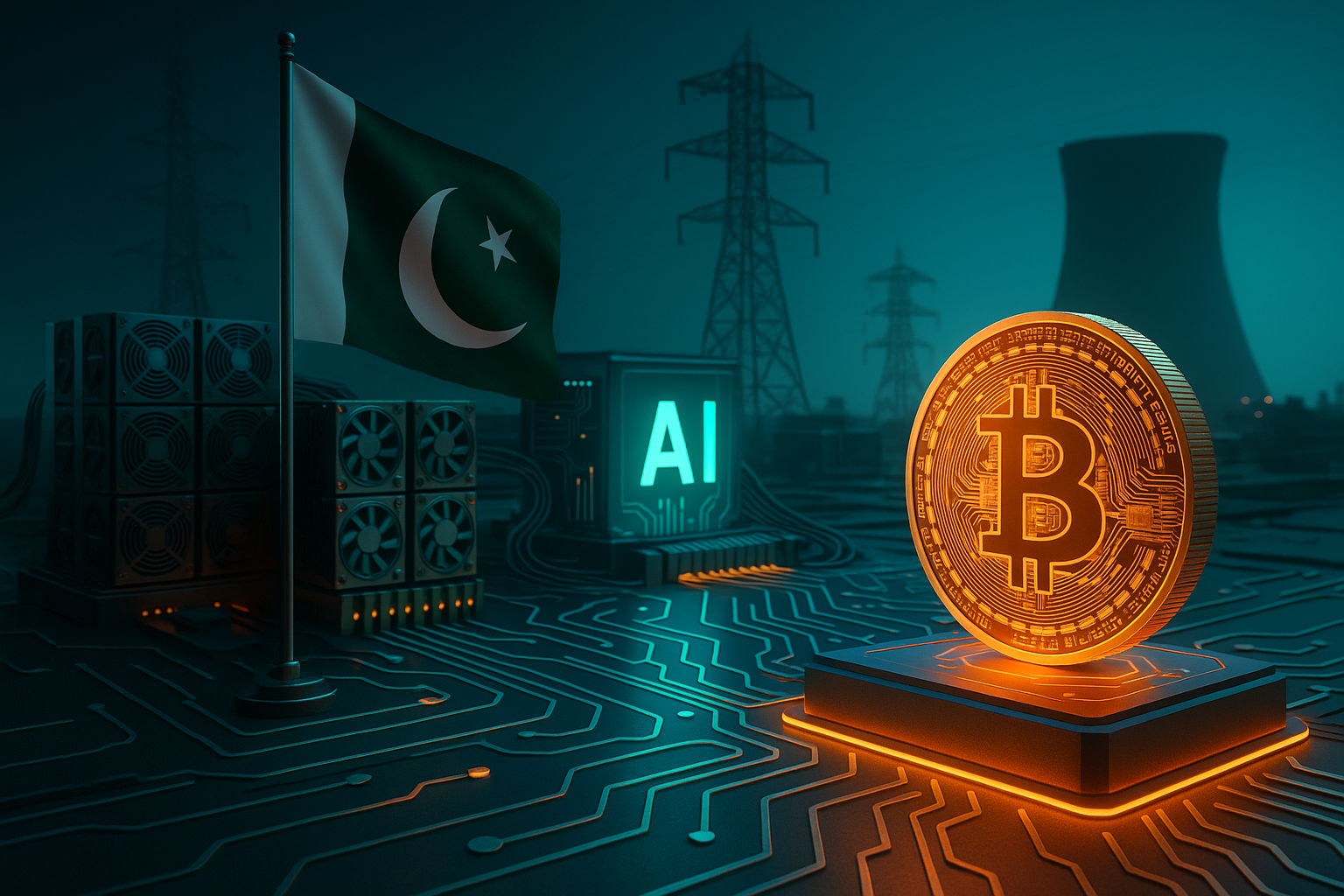
In a groundbreaking move, Pakistan has officially allocated 2,000 megawatts (MW) of surplus electricity to power Bitcoin mining farms and Artificial Intelligence (AI) infrastructure. This initiative marks a major step toward digital transformation and economic modernization, especially as the country seeks to attract foreign direct investment (FDI) and utilize untapped energy resources.
Why This Move Matters
“Pakistan is opening its doors to the digital economy by dedicating energy resources to blockchain and AI,” said an official from the Ministry of Energy.
By redirecting 2,000MW of surplus power, the government aims to:
- Monetize idle energy capacity
- Generate new streams of revenue through crypto mining
- Promote AI infrastructure growth
- Position Pakistan as a regional tech hub
This move could potentially generate millions in revenue and create thousands of high-tech jobs.
Bitcoin Mining Gets Green Light
The global demand for Bitcoin mining infrastructure continues to grow, with miners seeking locations offering cheap electricity and regulatory support. Pakistan’s vast surplus energy — particularly from hydropower and solar sources — gives it a competitive edge.
By offering dedicated power for mining operations, Pakistan hopes to attract both local entrepreneurs and international crypto firms.
Experts predict that even utilizing a fraction of this capacity could yield hundreds of BTC annually, depending on energy efficiency and hardware deployment.
AI Infrastructure Development Also a Focus
Alongside mining, a significant portion of the 2,000MW will be used for AI data centers, including:
- Machine learning (ML) research
- High-performance computing (HPC)
- Cloud-based AI services
This aligns with Pakistan’s broader goal of integrating AI into public services, education, and security.
Attracting Global Investors
Pakistan’s new policy is likely to catch the attention of global tech firms and crypto mining companies. With low-cost energy, favorable geography, and a growing digital economy, the country could emerge as a top destination for tech infrastructure investments.
The government is also reportedly drafting a crypto-friendly policy to support this initiative.
Challenges Ahead
Despite the positive outlook, experts warn of regulatory uncertainties, environmental concerns, and infrastructure gaps that must be addressed. Stakeholders are urging for clear crypto regulations and sustainability standards to ensure long-term success.
Conclusion
Pakistan’s decision to allocate 2,000MW for Bitcoin mining and AI infrastructure is a bold leap toward digital economic growth.
If implemented effectively, the move could position Pakistan as a tech-forward nation, drive innovation, and attract billions in investment — turning power surplus into national prosperity.