
Legislative setback delays EU-aligned crypto oversight as national debate intensifies over security, compliance and innovation
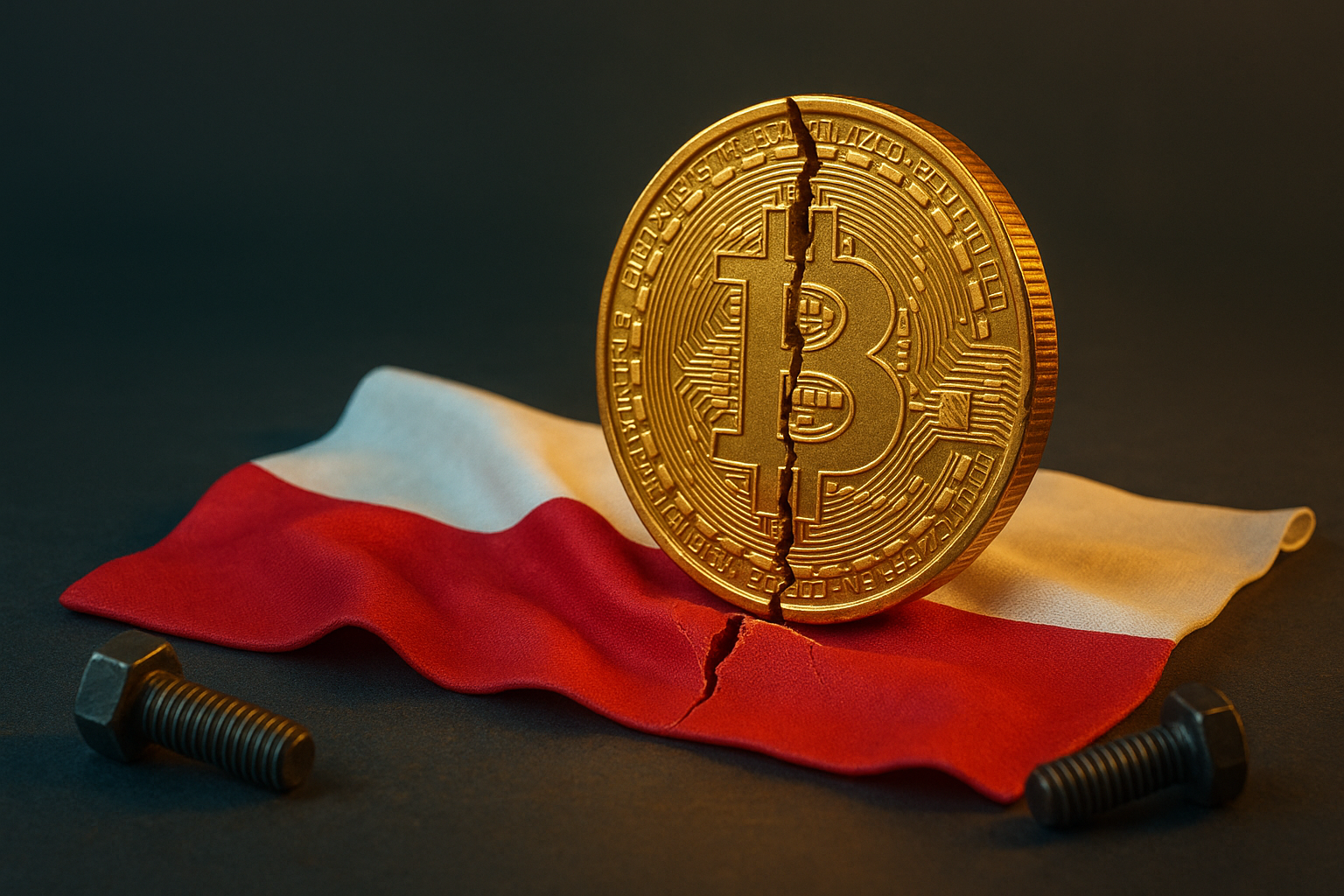
Poland’s push to align its digital-asset rules with European Union standards has stalled once again after lawmakers in the Sejm failed to overturn President Karol Nawrocki’s veto of the Crypto-Asset Market Act. The outcome forces the government to restart its regulatory effort at a time when crypto activity in the country is rapidly accelerating.
The proposed legislation, introduced earlier this year, was designed to bring Poland in line with the EU’s MiCA framework. Despite strong backing from the current administration, the lower house fell short of the three-fifths majority required to revive the bill. President Nawrocki, who vetoed the measure last week, argued that it would “threaten the freedoms of Poles, their property, and the stability of the state.”
Supporters of the act framed it as critical for national security, stressing that clear rules are necessary to counter illicit finance and prevent misuse of digital assets by foreign actors. They warned that delaying regulation puts Poland at risk as crypto activity grows.
However, industry groups and several opposition lawmakers raised concerns about compliance burdens. They argued that stringent licensing obligations, elevated costs and potential criminal-liability provisions for executives could stifle innovation and push emerging startups out of Poland.
While regulation remains on hold, crypto adoption continues to rise. According to recent industry analysis, Poland has emerged as one of Europe’s largest crypto economies, recording more than 50% year-over-year growth in transaction volume. The country also ranked eighth in Europe for total cryptocurrency value received, underscoring increasing retail participation.

Polish investors have also expanded their presence in the Bitcoin ecosystem, supported by a rapid increase in local BTC ATM installations, positioning Poland among the world’s top hubs as regulatory uncertainty persists.
Disclaimer
This content is for informational purposes only and does not constitute financial, investment, or legal advice. Cryptocurrency trading involves risk and may result in financial loss.