
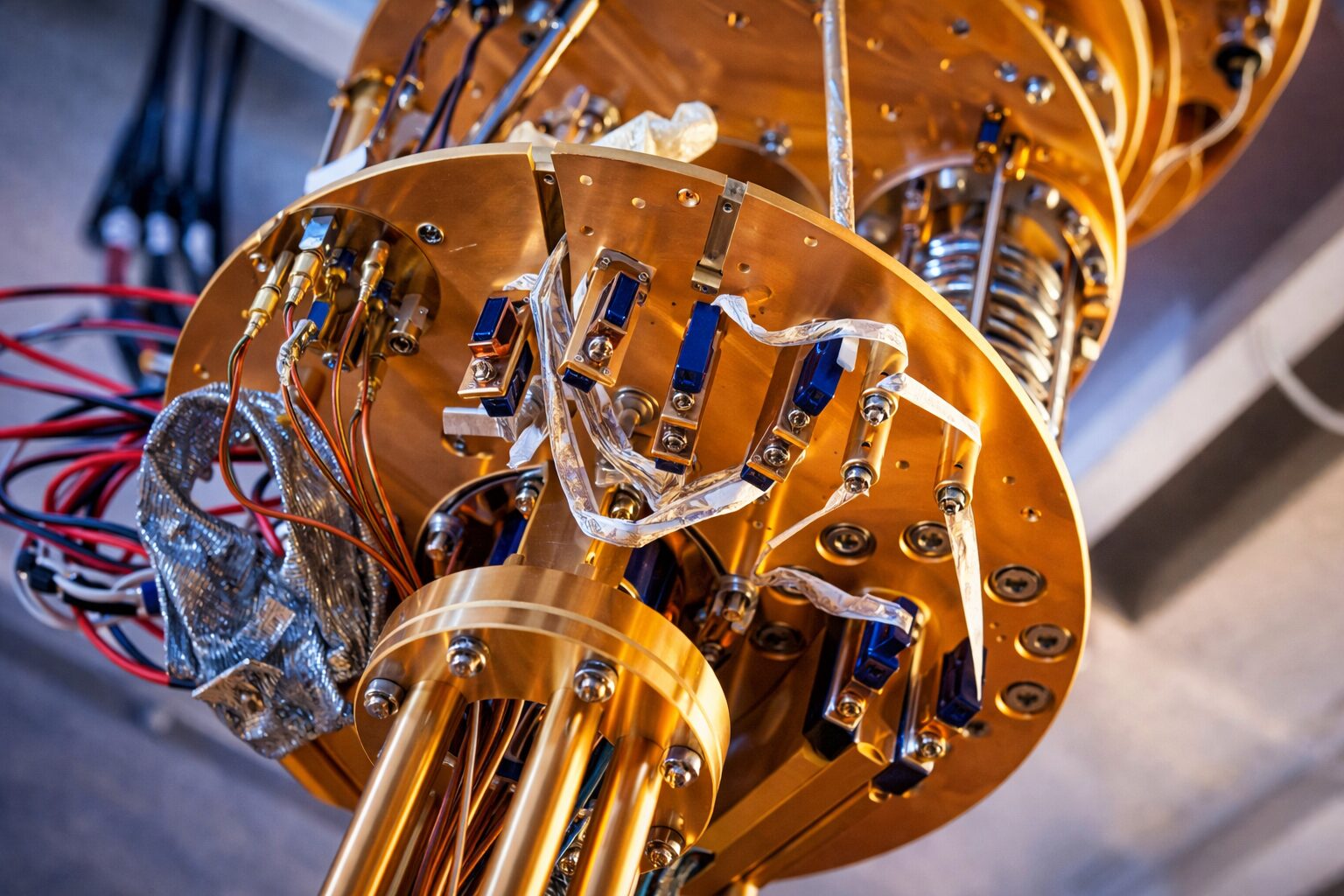
Google’s recent research indicates that Bitcoin’s elliptic-curve cryptography could theoretically be broken with fewer than 500,000 quantum qubits, far lower than previous estimates. While such machines do not yet exist, the announcement has prompted traders to reconsider long-term technological risks in the crypto market.
Market Reaction and Token Performance
Several quantum resistant or quantum-aware cryptocurrencies have seen notable gains over the past 24 hours. Quantum Resistant Ledger (QRL) surged 50%, Cellframe (CEL) rose 40%, and tokens like Abelian (ABEL) increased 25%, while Qubic (QUBIC) and QANplatform (QANX) gained around 10% each. Even privacy-focused Zcash (ZEC) added nearly 7%, reflecting market interest in post-quantum security features, though it is not fully quantum-resistant yet.
The market capitalization of this category, which includes 20 coins, rose 8% to $4.66 billion, indicating growing attention to “future-proof” digital assets. Analysts note that traders are pricing in potential risks well ahead of actual quantum threats.
Long-Term Implications for Bitcoin and Blockchain
While Bitcoin and Ether have seen only modest moves, Google’s study highlights a theoretical risk: a sufficiently advanced quantum computer could attack Bitcoin in under nine minutes, potentially endangering billions in assets across the ecosystem, including DeFi and tokenized holdings.
Experts, including Charles Edwards, founder of Capriole Investments, have suggested that quantum concerns influenced Bitcoin’s performance in late 2025, contributing to its slide from $126,000 to $80,000, while quantum-aware tokens like ZEC rallied sharply during the same period.
The development underscores growing investor appetite for cryptocurrencies that emphasize post-quantum cryptographic resilience and research into long-term security solutions.
Disclaimer
This content is for informational purposes only and does not constitute financial, investment, or legal advice. Cryptocurrency trading involves risk and may result in financial loss.