

A controversy surrounding prediction platform Polymarket has emerged after a journalist reported receiving death threats linked to a high stakes market predicting whether Iran would strike Israel on a specific date.
The market had attracted more than $14 million in wagers tied to a contract asking whether Iran carried out a missile, drone, or airstrike on Israeli territory. The issue intensified after a report stated that an Iranian missile struck an open area near the Israeli city of Beit Shemesh on March 10.
Following the report, individuals who had placed bets on the contract allegedly contacted the reporter through email, social media, and messaging platforms. Some messages reportedly demanded that the article be revised to claim the missile had been intercepted, which would affect the outcome of the prediction market.
The journalist declined to change the report, stating it was based on statements from Israeli rescue services and military sources. A police complaint was later filed after multiple threats were received.
Lawmakers Push Restrictions on War-Related Betting
The incident has renewed debate in Washington over regulation of event based trading platforms such as Polymarket and Kalshi.
Several lawmakers are advocating legislation that would prohibit prediction markets tied to wars, assassinations, or fatalities. Critics argue that allowing wagers on geopolitical conflicts may create incentives for manipulation or attempts to influence information.
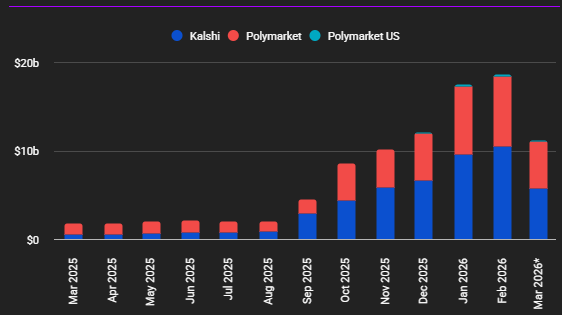
Despite the controversy, trading activity across prediction markets continues to grow. Recent data shows monthly volumes on major platforms reaching tens of billions of dollars, highlighting the rapid expansion of event-driven financial markets tied to political and global developments.
Disclaimer
This content is for informational purposes only and does not constitute financial, investment, or legal advice. Cryptocurrency trading involves risk and may result in financial loss.