

Retail investors have dramatically increased gold purchases over the past six months, according to the Bank for International Settlements (BIS). Data shows retail inflows into gold ETFs have tripled, rising from roughly $20 billion in late Q3 2025 to about $60 billion by the end of Q1 2026. Since Q2 2025, cumulative retail purchases have reached around $70 billion, fueling a continuation of the precious metals rally that began in 2025. Analysts describe this as “retail-driven exuberance,” largely channeled through ETFs and leveraged positions.
Kobeissi Letter observed that on X;
Institutional Selling Pressure
While retail buying surged, institutional investors have been selling gold since mid-November 2025, with selling accelerating after a market correction in January 2026. This divergence contributed to increased volatility, as leveraged liquidations amplified price swings, particularly in silver, which dropped 34% over the same period. Gold has declined about 9% from its late January all-time high. Smaller speculative traders with heavily leveraged positions also intensified market moves through margin-triggered liquidations.
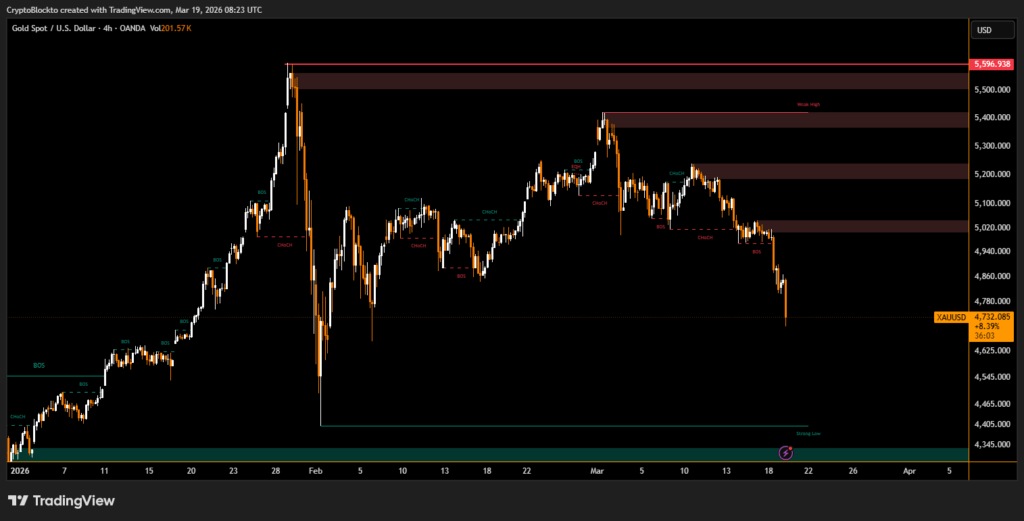
Impact of US Dollar and Monetary Policy
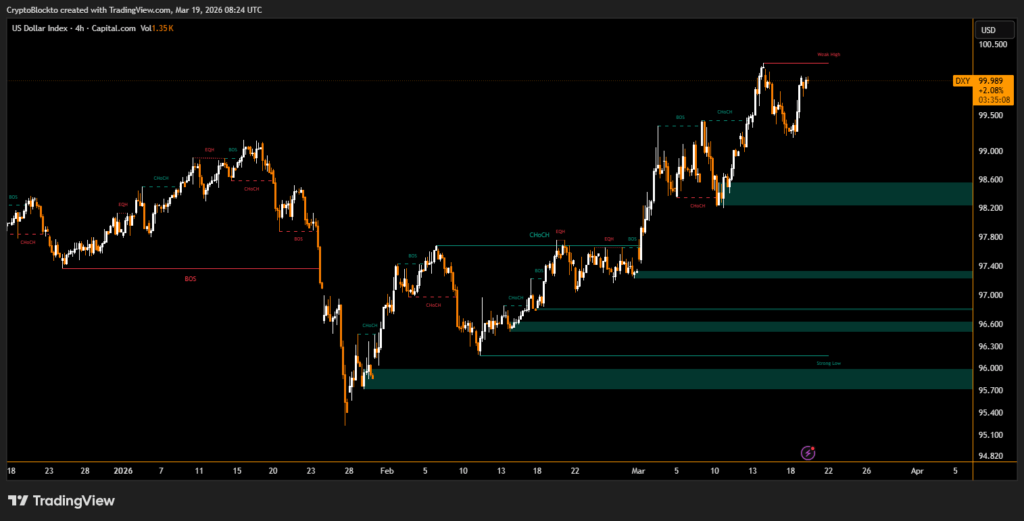
The precious metals pullback coincided with a strengthening US dollar, which has gained 4.7% since late January, according to the DXY index. BIS reports indicate that shifts in expectations around US monetary policy, combined with retail flows and forced ETF sales, played a key role in recent market volatility. Meanwhile, cryptocurrency markets remain in a prolonged downturn, with total capitalization down roughly 43% from October 2025 peaks.
Disclaimer
This content is for informational purposes only and does not constitute financial, investment, or legal advice. Cryptocurrency trading involves risk and may result in financial loss.