
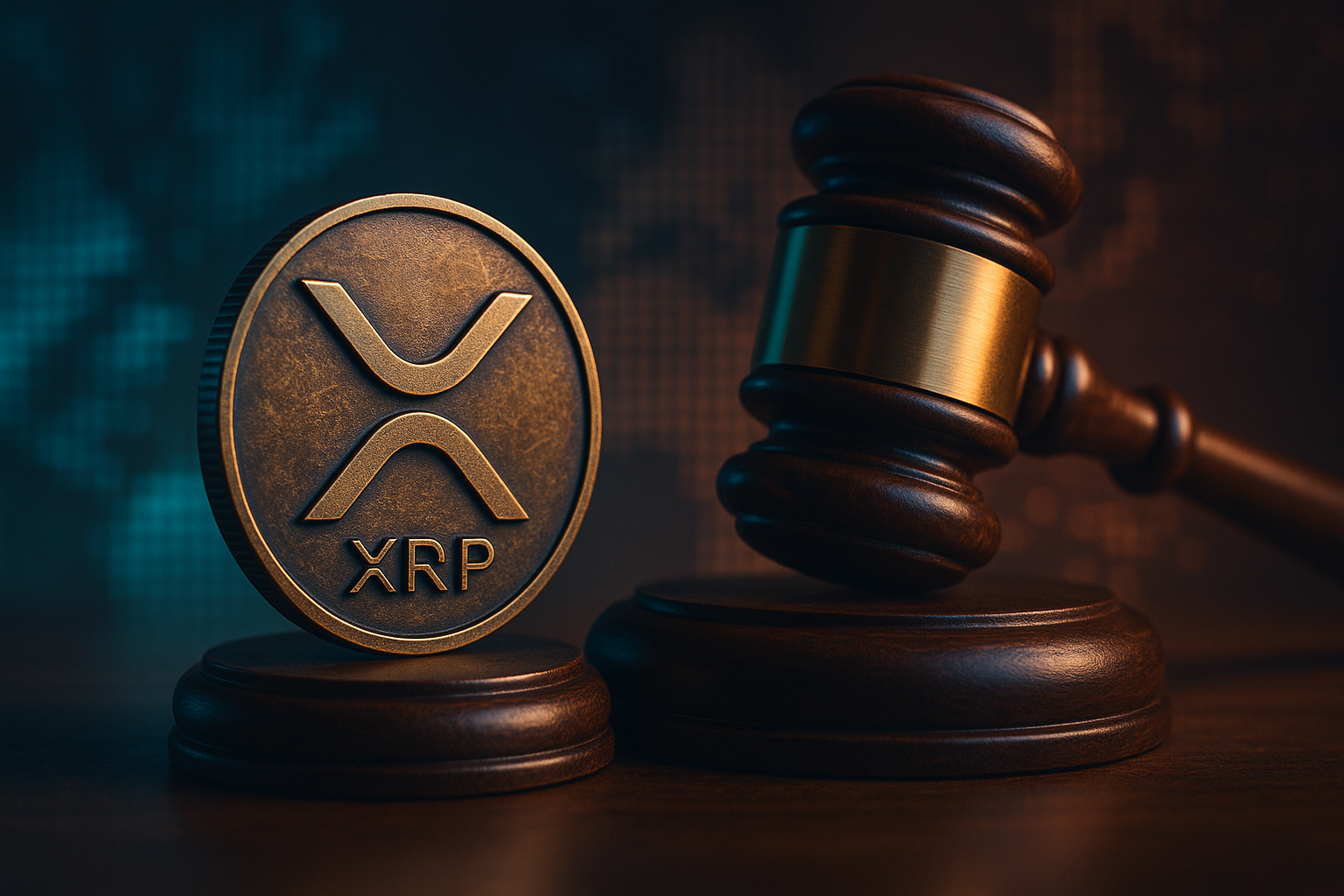
Joint Motion Filed to End 4-Year Legal Battle
After more than four years of courtroom conflict, the Ripple vs SEC case may finally be heading toward resolution. Both Ripple and the SEC have filed a joint motion for settlement, aiming to avoid further delays or appeals.
Ripple seeks to unlock $125 million from escrow, proposing to pay $50 million as a civil penalty to the SEC and retain $75 million.
This motion signals a serious effort to bring the long-running lawsuit to a close without prolonging uncertainty for Ripple or the broader crypto industry.
Attorney John Deaton Predicts 70% Chance of Approval
Prominent crypto lawyer John Deaton has weighed in, stating there’s a 70% chance that Judge Analisa Torres will approve the proposed settlement.
“I wasn’t looking for praise for Judge Torres,” Deaton clarified, “but the SEC should have acknowledged its overly aggressive tactics.”
He referenced earlier rulings where judges criticized the SEC’s conduct as “arbitrary and capricious,” including a separate case where the agency’s lawyers were sanctioned.
Missed Opportunity to Emphasize Industry Fairness
Deaton also expressed disappointment in the filing, noting it failed to address key fairness concerns. He argued Ripple should have highlighted how an injunction would disadvantage the company while competitors like Circle benefit from regulatory clarity.
“Banks will prefer working with legally unburdened companies,” Deaton warned.
He believes Ripple needed to build a stronger case for why Judge Torres should reconsider her previous stance, rather than merely referencing a few legal precedents.
Mixed Reactions from Legal Experts
Legal experts remain divided. Fred Rispoli questioned why an injunction still matters if the SEC can simply waive it, calling the logic “circular.” Meanwhile, former SEC official Marc Fagel criticized the SEC’s focus on political and policy shifts, saying they do not form a strong legal foundation for the judge to reconsider.
Conclusion: A Turning Point for XRP?
If the court accepts the motion, this settlement could mark a major turning point for Ripple and the XRP ecosystem. It may also set precedent for how similar crypto enforcement actions are handled in the future — especially as the Clarity Act and Genius Act signal regulatory changes ahead.