
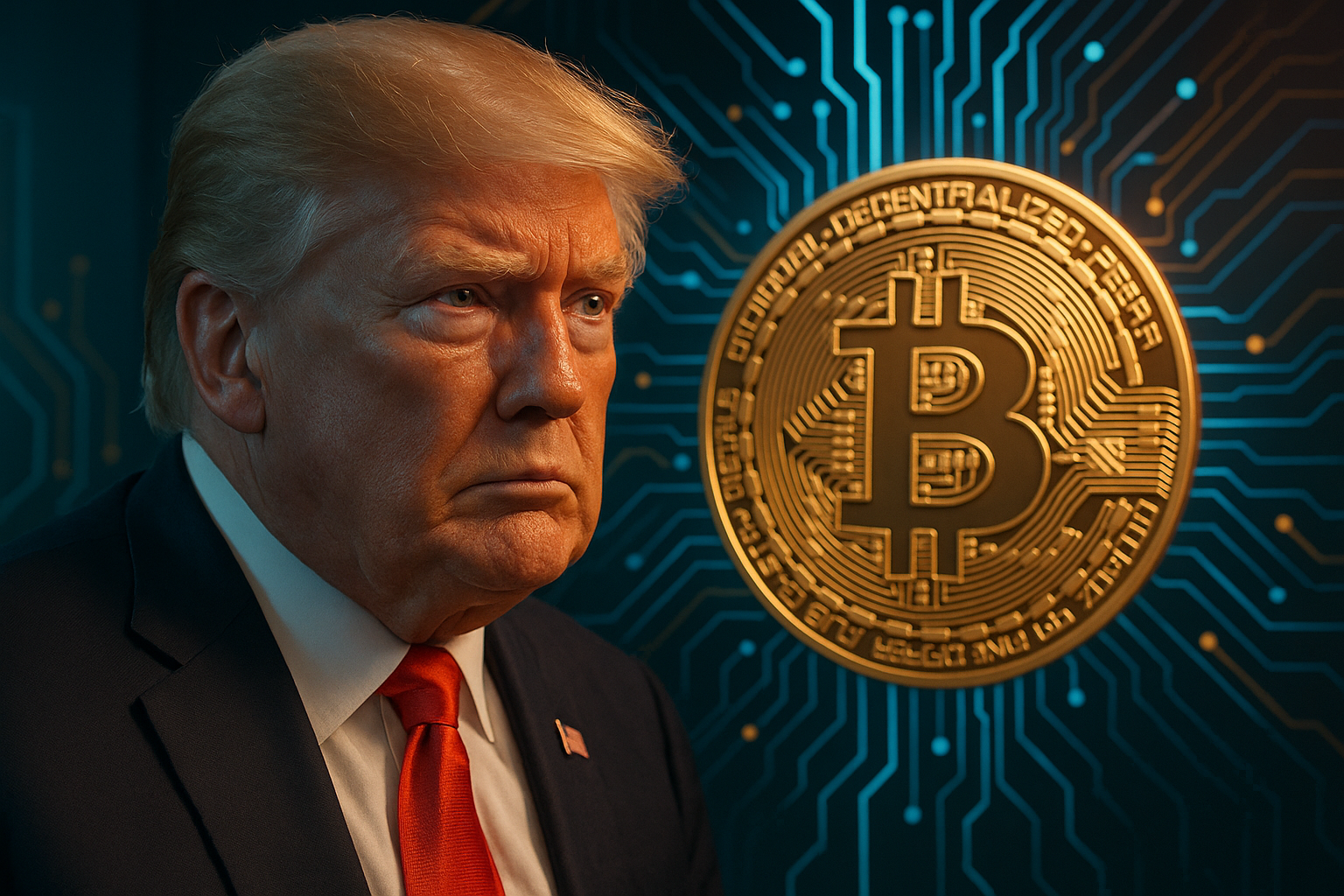
Lawmakers call for a federal probe into World Liberty Financial amid claims of token sales to sanctioned wallets, while analysts say some evidence may be misinterpreted.
World Liberty Financial (WLFI), a fast-growing crypto firm associated with the Trump family, is under mounting scrutiny after two U.S. senators warned that the company’s token distribution may have exposed national security vulnerabilities. Their concerns center on allegations that WLFI governance tokens were purchased by blockchain addresses linked to sanctioned entities in North Korea, Russia, and Iran, raising questions about compliance standards and potential foreign influence.
Senators Cite National Security Threat
In a letter addressed to federal officials, Senators Elizabeth Warren and Jack Reed urged an immediate investigation into WLFI’s operations. They argued that token sales tied to suspicious on-chain activity represent a direct threat.
The senators stated that WLFI’s structure “may have given adversaries a foothold inside a U.S.-based financial ecosystem,” warning that governance rights attached to the tokens could be exploited. They emphasized that three-quarters of all token-sale revenue flows directly to the Trump family, a financial link they described as “deeply concerning.”

WLFI has rejected the claims, asserting that the company conducts rigorous AML and KYC screening, and that it blocked “millions of dollars” from buyers who failed compliance checks.
Ownership Raises Political and Regulatory Questions
According to WLFI’s published documents, Eric Trump, Donald Trump Jr., and Barron Trump serve as co-founders, while Donald Trump is listed as Co-Founder Emeritus. A Trump-controlled entity reportedly holds 22.5 billion WLFI tokens, granting a dominant share of revenue rights.
Analysts warn that the combination of rapid expansion, plans for a WLFI debit card, and interest in tokenized commodities could intensify regulatory scrutiny. One policy expert noted that the project’s growth “could accelerate illicit finance risks if compliance controls are not airtight.”
Researcher Challenges Key Allegations
Despite the political outcry, blockchain analyst Nick Bax says certain accusations may be based on flawed interpretations. After reviewing transactions referenced in the watchdog report, Bax found they were the result of false positives, not actual purchases by sanctioned groups.
“These were automated transfers from a novelty memecoin contract, not deliberate interactions with North Korean actors,” Bax explained. He added that an independent user triggered the activity as a joke, highlighting how misleading labels can distort blockchain analysis.
While federal regulators have not yet responded publicly, the clash between political warnings and technical counter-analysis underscores how volatile the intersection of cryptocurrency and national security has become. The WLFI investigation—if launched—may shape future rules governing token sales, compliance standards, and politically connected crypto ventures.
Disclaimer
This content is for informational purposes only and does not constitute financial, investment, or legal advice. Cryptocurrency trading involves risk and may result in financial loss.