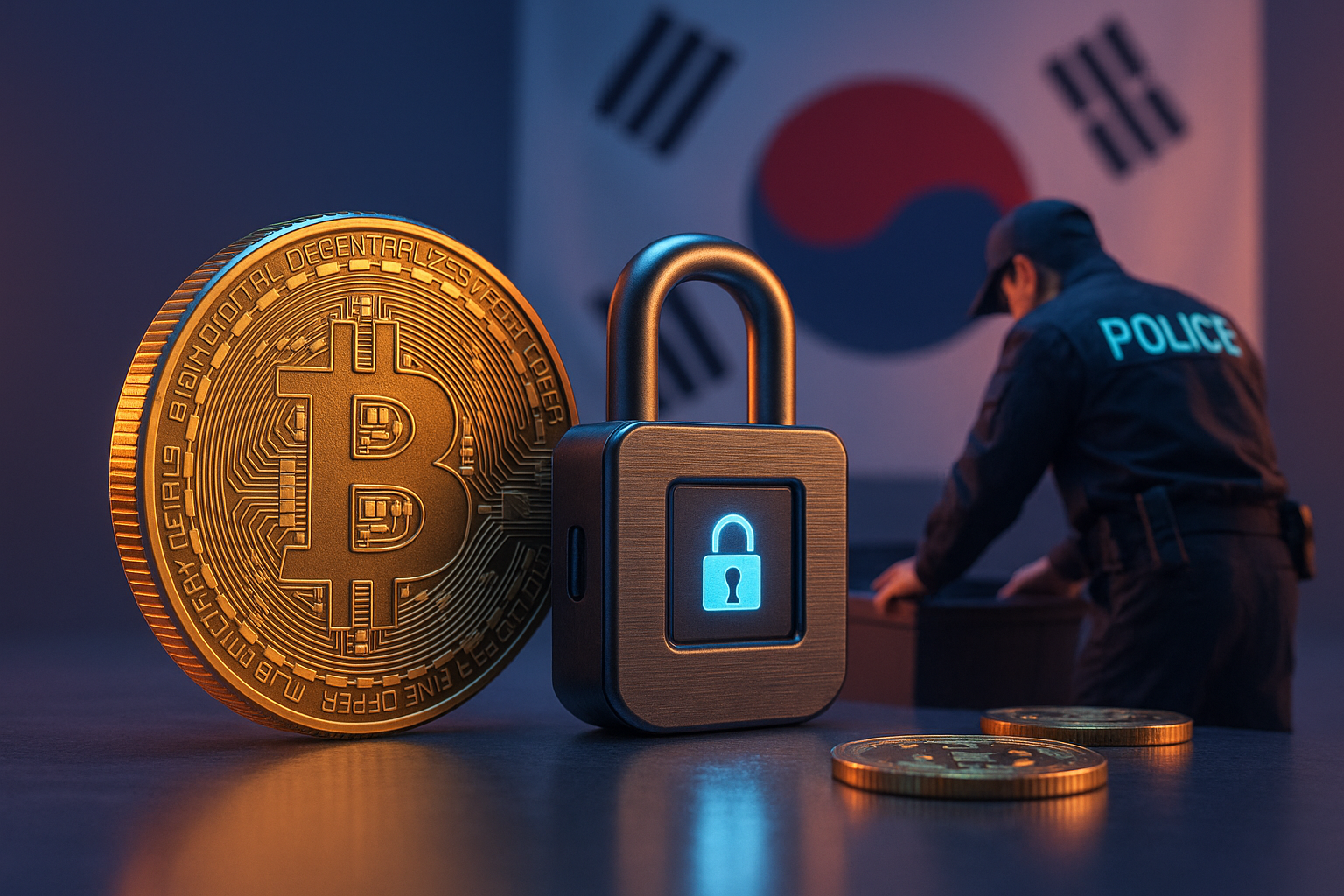
The National Tax Service intensifies its crackdown on crypto-related tax evasion, signaling that home searches and cold wallet confiscations will now be part of its enforcement strategy.
In a significant escalation of its tax enforcement strategy, South Korea’s National Tax Service (NTS) has declared that crypto assets stored in cold wallets are now within the scope of seizure. The agency aims to prevent tax evasion by targeting individuals hiding digital assets offline — a move that underscores the growing scrutiny of crypto ownership in one of the world’s most active digital markets.
According to reports from local media, NTS officials confirmed they will conduct home searches and confiscate hard drives or cold wallet devices if there is evidence of concealed digital assets. Cold wallets — storage devices disconnected from the internet — have long been seen as the safest method to hold cryptocurrencies. However, authorities now view them as potential tools for hiding taxable wealth.
“We analyze tax delinquents’ coin transaction histories through crypto-tracking programs. If there is suspicion of offline concealment, home searches and seizures will follow,” an NTS spokesperson said.
Under South Korea’s National Tax Collection Act, the NTS is authorized to freeze exchange accounts, request user data from local platforms, and liquidate seized assets at market value to recover unpaid taxes. Over the last four years, the agency has seized and liquidated more than $108 million in cryptocurrency from over 14,000 individuals, reflecting its expanding reach in the digital asset sector.
The NTS first began targeting crypto-linked tax evasion in 2021, confiscating around $50 million in digital assets from 5,700 individuals. The crackdown comes amid a sharp rise in crypto adoption, with the number of investors in South Korea reaching 11 million by mid-2025, up from just 1.2 million in 2020. Trading volumes have similarly surged from 1 trillion won ($730 million) to 4.7 billion won over the same period.
“South Korea’s strict stance shows how governments are adapting tax laws to match the realities of digital wealth,” said a Seoul-based financial analyst, noting that global regulators are closely observing Korea’s enforcement model.
Recent data from the Financial Intelligence Unit (FIU) revealed that virtual asset service providers filed nearly 37,000 suspicious transaction reports (STRs) by August 2025 — already surpassing all previous years combined.
With crypto regulation tightening and enforcement widening to offline storage, South Korea is setting a precedent for global tax authorities, signaling that even cold wallets are no longer untouchable in the fight against financial concealment.
Disclaimer
This content is for informational purposes only and does not constitute financial, investment, or legal advice. Cryptocurrency trading involves risk and may result in financial loss.