
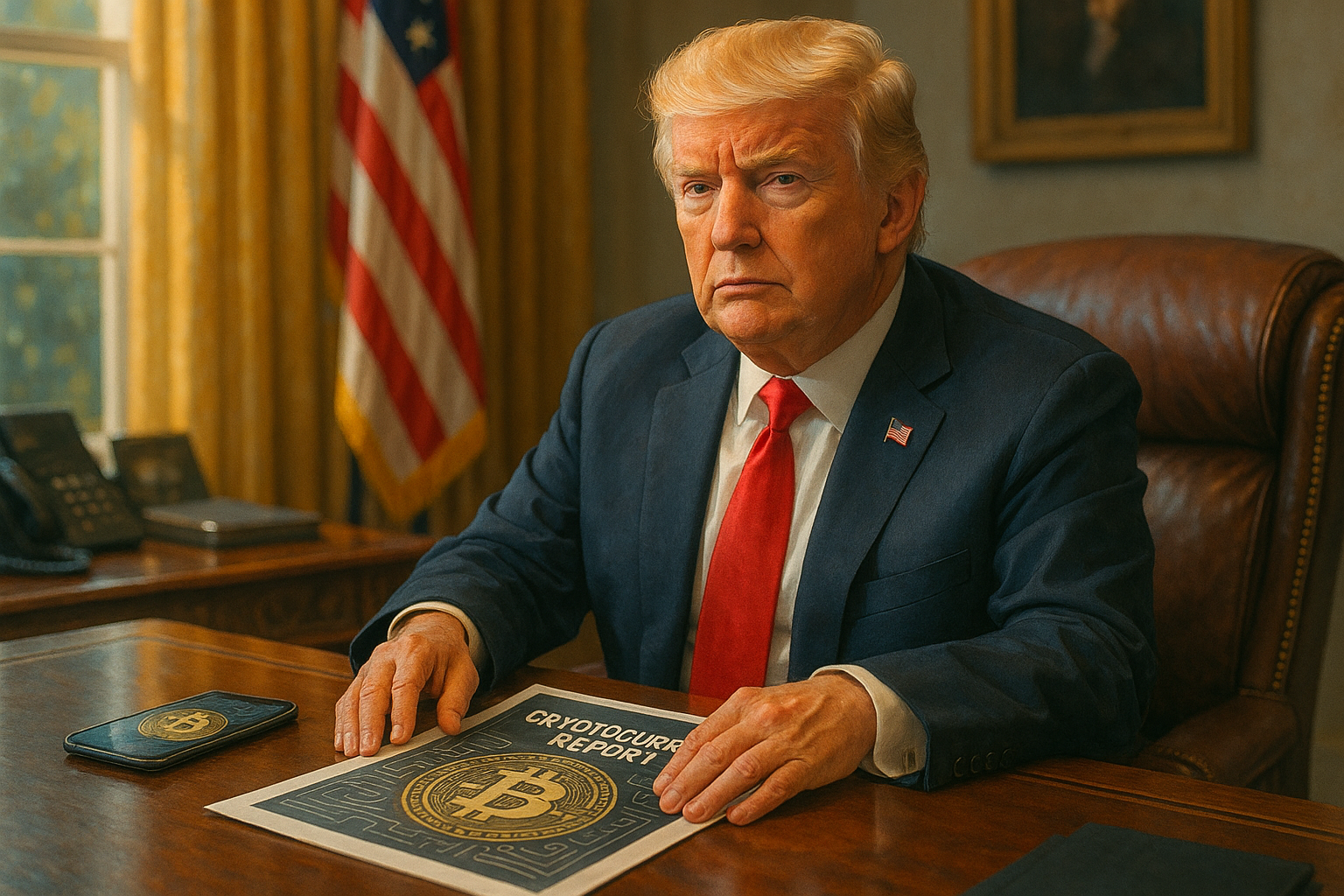
The GENIUS Act, recently passed in the United States, is reshaping the global stablecoin landscape by establishing the first federal regulatory framework for fiat-backed stablecoins. Experts say the law could redefine how institutions, developers, and governments approach the digital asset space.
What Does the GENIUS Act Do?
The GENIUS Act requires stablecoin issuers to meet strict licensing and transparency standards, including:
- 1:1 asset backing with high-quality liquid reserves
- Federal licensing for all issuers
- Regular independent audits and full reserve disclosures
“Institutional investors can now have legal confidence to use regulated stablecoins,” said Fabian Dori, CIO at Sygnum Bank.
According to Dori, these safeguards will enhance trust and support broader institutional adoption, bridging the gap between traditional finance and digital assets.
No More Yield-Bearing Stablecoins
One of the most debated provisions is the ban on yield-bearing fiat-backed stablecoins. This effectively separates payment-focused stablecoins from DeFi-linked yield products.
“That will create a clear segregation between non-yielding stablecoins and tokenized money market funds,” Dori noted.
This distinction is expected to redirect investor interest toward tokenized Treasury and money market fund products, which may emerge as yield alternatives within regulated environments.
U.S. Moves Ahead, Europe Lags
Dori highlighted a growing regulatory divide between the U.S. and Europe. While the U.S. is pushing innovation through clear legislation, Europe remains cautious, focusing primarily on risk mitigation, particularly through the digital euro initiative.
“The U.S. framework could attract new issuers and use cases, forcing Europe to rethink its approach,” said Dori.
This shift could create regulatory arbitrage opportunities, where innovators flock to more progressive jurisdictions.
What’s Next?
The GENIUS Act marks a pivotal moment for stablecoins, setting the stage for a more secure, regulated, and scalable digital financial system.
With transparent backing and legal clarity, stablecoins may finally gain the trust needed to go mainstream.
As the U.S. takes the lead in shaping the future of digital finance, global players may soon feel pressure to catch up—or risk falling behind.
Disclaimer
This content is for informational purposes only and does not constitute financial, investment, or legal advice. Cryptocurrency trading involves risk and may result in financial loss.