Stablecoin giant eyes trillion-dollar markets as adoption accelerates
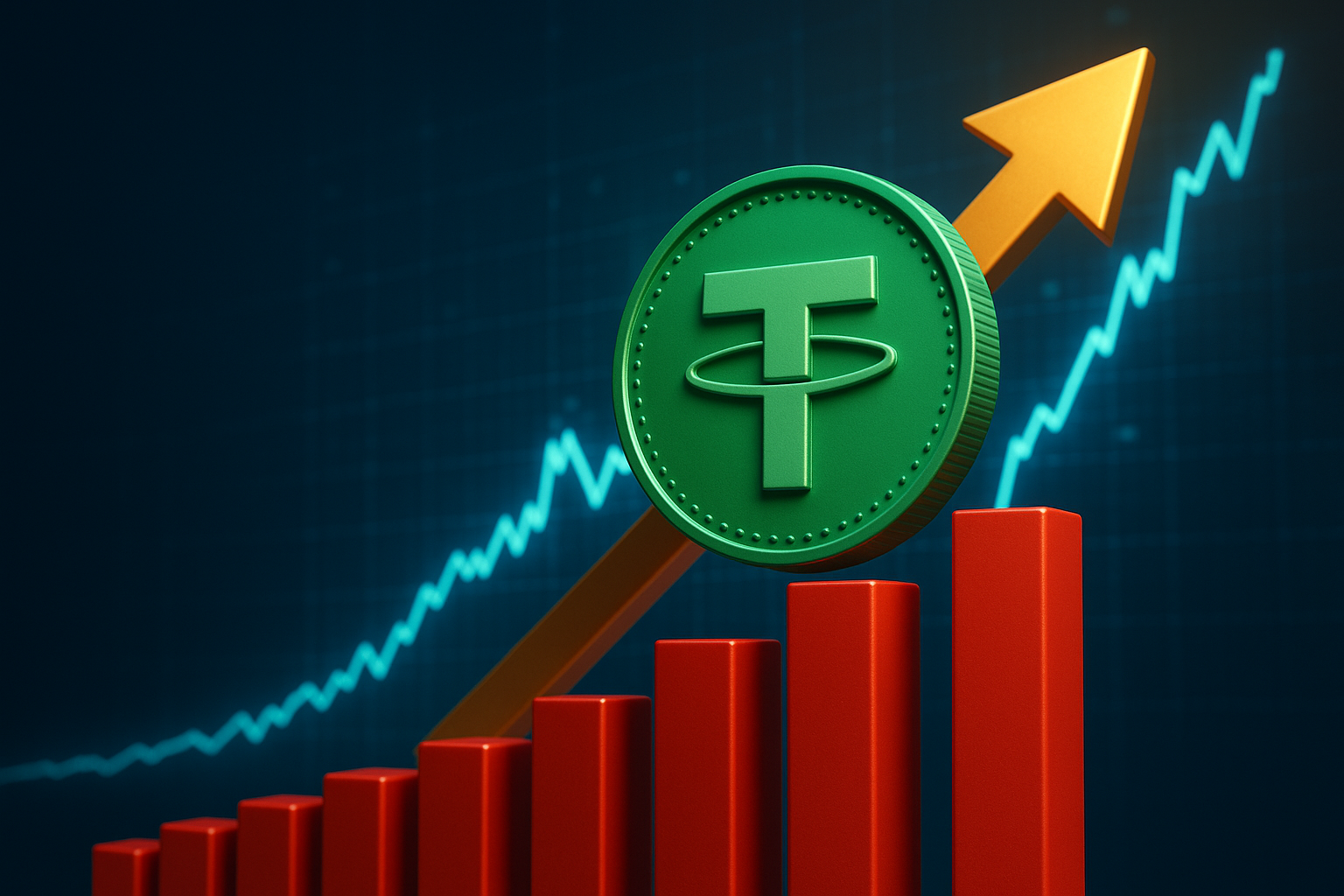
Tether’s rapid rise in the global financial landscape is reshaping how investors evaluate the future of digital assets. Industry experts suggest that its business model and scale could one day rival the world’s most profitable corporations, including oil and technology giants.
Tether’s expanding scale
Leading stablecoin issuer Tether has become a cornerstone of the crypto economy, with its USDT token now used by more than 400 million people worldwide. The company is adding approximately 35 million new wallets per quarter, with a strong presence across developing markets. By strengthening access to the U.S. dollar in non-Western economies, Tether has positioned itself as a dominant financial tool for cross-border payments and savings.
Tether currently holds over $127 billion in U.S. Treasurys, making it one of the top 20 largest holders globally, comparable with sovereign nations such as Germany and the United Arab Emirates. The company’s profits reached about $13 billion in 2024, generated by a workforce of fewer than 200 employees — a level of efficiency rarely seen in traditional finance.
Industry analysts note that if Tether expands to manage $3 trillion in assets, the firm could generate profits exceeding Saudi Aramco’s $120 billion earnings in 2024. “With near-total dominance in stablecoin adoption across emerging economies, there’s a chance that entire markets could shift to USDT as their primary currency,” According to BITX experts.
Tether has also diversified into artificial intelligence, telecommunications, data centers, energy infrastructure, and bitcoin mining, alongside launching a new U.S.-regulated dollar stablecoin, USAT, to capture the domestic market.
Crypto’s trillion-dollar opportunities
The stablecoin’s trajectory highlights a larger truth: crypto is targeting some of the biggest addressable markets in the world. For instance, bitcoin’s $2.3 trillion market capitalization represents less than 10% of the $25 trillion gold market. Likewise, blockchains such as Ethereum and Solana are competing in the $1.8 quadrillion global payments sector and the $665 trillion combined value of stocks, bonds, and real estate.
For investors, the implications are clear. Crypto’s upside lies not in small wins but in capturing slices of trillion-dollar industries. As one analyst noted, the critical question is not which token will dominate, but whether crypto overall will matter more in the next five years.
Disclaimer
This content is for informational purposes only and does not constitute financial, investment, or legal advice. Cryptocurrency trading involves risk and may result in financial loss.