
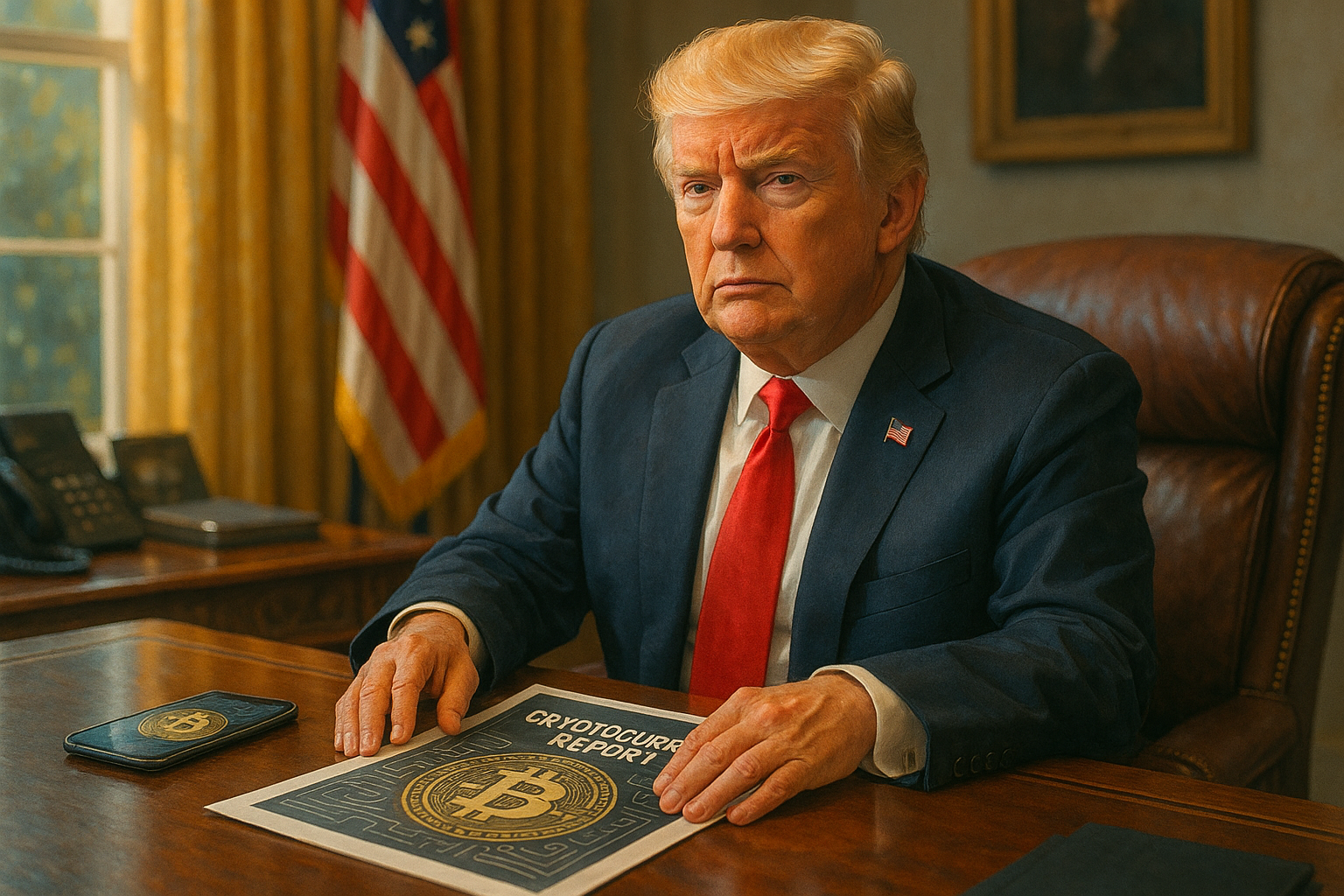
The White House has officially released a comprehensive crypto regulatory report, laying the groundwork for a new digital asset policy regime in the United States. This strategic document outlines major reforms to market structure, banking oversight, taxation, and stablecoin usage, reinforcing the Trump administration’s vision for digital finance.
Defining Crypto Assets: Securities vs. Commodities
At the heart of the report is the call to establish a taxonomy for digital assets, clearly differentiating which cryptocurrencies fall under securities laws and which are classified as commodities.
Jurisdictional responsibility would be split between the SEC and CFTC, with the CFTC overseeing spot markets for commodity-like tokens. Meanwhile, tokens deemed securities would fall under the purview of the SEC.
This joint regulatory approach aims to eliminate ambiguity, supporting both compliance and innovation in U.S.-based crypto markets.
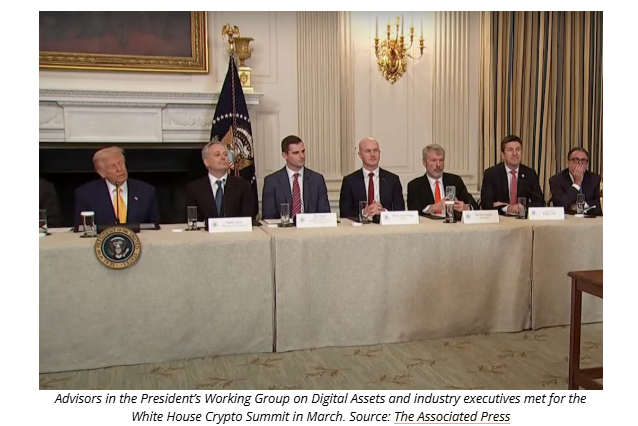
Crypto Market Structure and Global Competitiveness
The report promotes a rational and transparent framework that would foster investor protection while encouraging global leadership in blockchain innovation.
A well-structured regulatory environment could position the U.S. as a leader in digital asset innovation, according to the report’s authors. Clarity in rules would also reduce fraudulent activity while streamlining capital flows into the crypto economy.
Stablecoins and U.S. Dollar Dominance
One of the most strategic elements in the report is the proposal to embrace stablecoins as tools to reinforce U.S. dollar dominance in global financial systems.
Stablecoins are highlighted as adaptable, enforceable, and essential to future payment networks, especially given their ability to cooperate with law enforcement to freeze illicit transactions.
The report also rejects the development of a Central Bank Digital Currency (CBDC), citing surveillance risks. It supports legislation that blocks research into a U.S. CBDC altogether.
Banking Reforms and Crypto Custody Access
The working group encourages easing regulations on banks to allow them to offer digital asset services, including crypto custody. This would streamline charter applications and increase transparency for institutions entering the crypto space.
Tailored Tax Policy for Digital Assets
On the tax front, the report recommends creating a new tax classification for digital assets, especially for staking and token-based income. Custom rules would treat crypto differently from traditional securities or commodities under federal tax law.
Disclaimer
This content is for informational purposes only and does not constitute financial, investment, or legal advice. Cryptocurrency trading involves risk and may result in financial loss.