Crypto Market on Edge as ETF Approvals Freeze
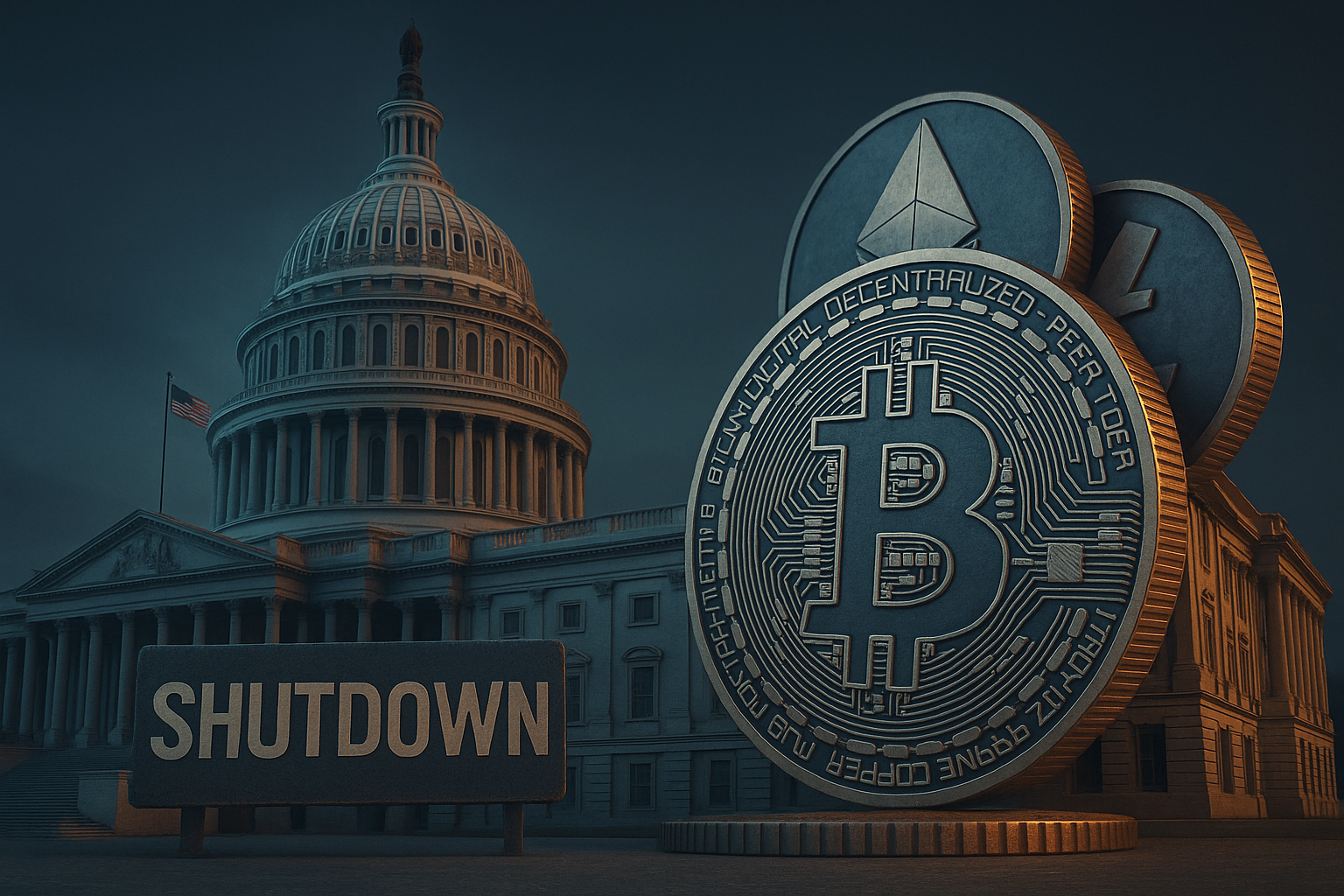
The ongoing U.S. government shutdown has entered its third week, freezing progress on multiple cryptocurrency exchange-traded funds (ETFs) awaiting regulatory approval. The Securities and Exchange Commission (SEC), which oversees these applications, is currently operating with limited staff, leaving at least 16 crypto ETFs — including those tracking Solana (SOL), XRP, Litecoin (LTC), and Dogecoin (DOGE) — pending without decisions.
The shutdown began on October 1, after Republicans and Democrats failed to agree on federal budget allocations, causing most government operations to halt. This deadlock has left the crypto industry in a holding pattern, with deadlines passing and no communication from regulators.
Political Gridlock Paralyzes Financial Oversight
The Senate is not expected to vote until Tuesday, and the House remains out of session, prolonging the standoff. The shutdown will only end once Congress passes a budget or a continuing resolution and the president signs it into law.
Despite the impasse, market optimism remains high. ETF expert Nate Geraci, president of NovaDius Wealth Management, predicted that “once the government shutdown ends, spot crypto ETF floodgates open.”
He added, “It’s ironic that fiscal dysfunction and political theater are delaying approvals for assets designed to bypass centralized inefficiencies.”
While the crypto sector braces for further delays, the anticipation of mass ETF approvals has injected a sense of long-term optimism into the market.
With institutional demand rising and regulatory clarity pending, many believe the eventual reopening of government operations could mark the beginning of a new phase for digital asset investment in the United States.
Until then, the industry watches closely — waiting for Washington to move before the next wave of crypto innovation can officially begin.
Disclaimer
This content is for informational purposes only and does not constitute financial, investment, or legal advice. Cryptocurrency trading involves risk and may result in financial loss.