
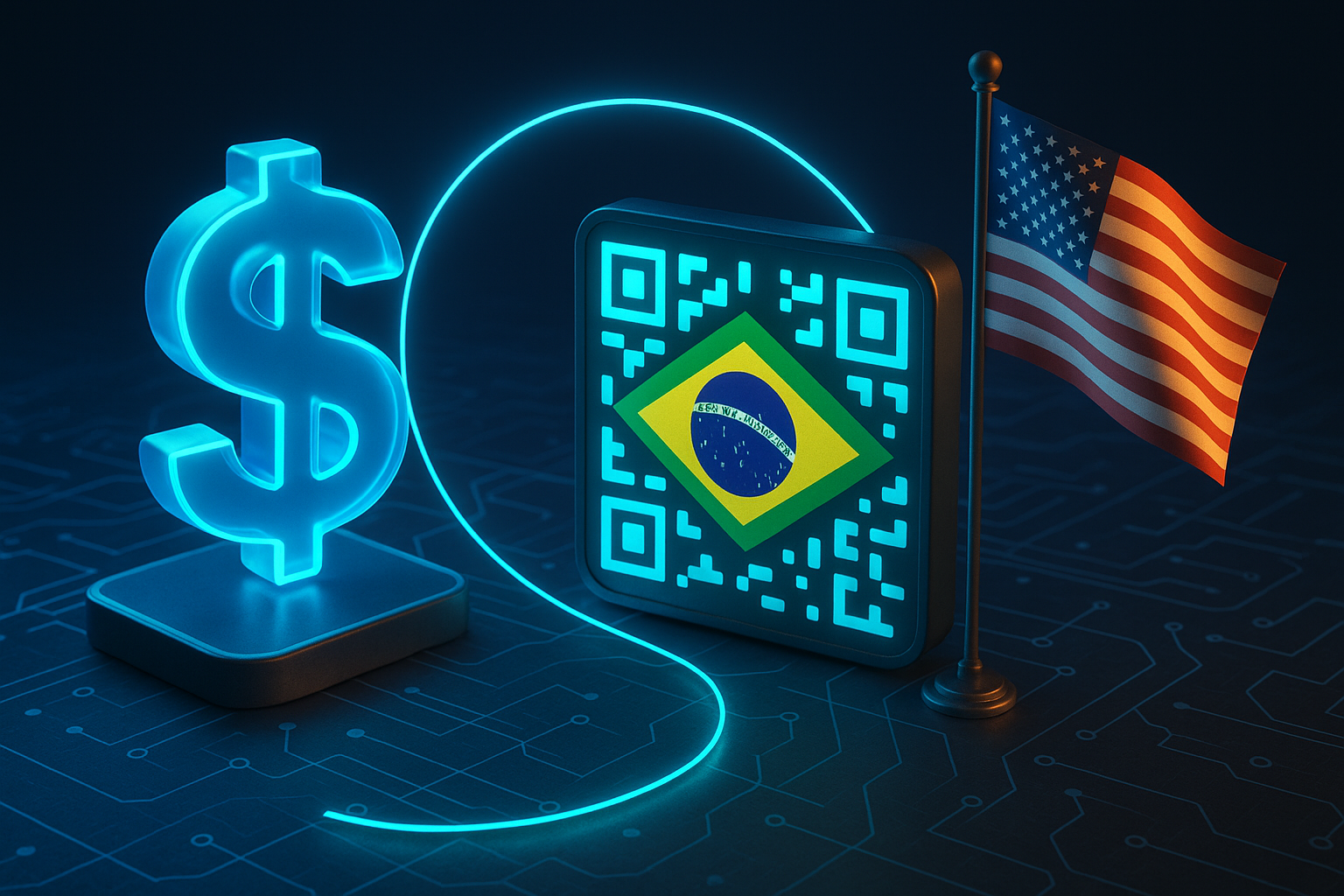
As Brazil’s Pix system reshapes digital finance across Latin America, U.S. regulators are stepping in. The Biden-Trump administration has initiated a formal trade investigation into Brazil’s digital payment landscape, raising concerns about unfair barriers to American firms and broader economic sovereignty challenges.
Pix’s Rise Disrupts Traditional Finance and U.S. Interests
Developed by Brazil’s central bank and launched in 2020, Pix is an instant, low-cost payment system used by over 150 million Brazilians. It allows 24/7 money transfers via mobile apps, QR codes, or account keys — all without relying on traditional networks like Mastercard or Visa.
In just five years, Pix has become the backbone of Brazil’s economy, accepted at more than 60 million businesses and integrated into nearly every facet of daily commerce.
Pix’s dominance has effectively displaced private-sector competitors — including major U.S. payment providers.
U.S. Alleges Unfair Trade Practices and Free Speech Suppression
According to U.S. Trade Representative Jamieson Greer, the investigation will examine whether Brazil is favoring domestic digital infrastructure while imposing tariff and non-tariff barriers that disadvantage American companies.
Additionally, Brazil’s handling of foreign tech firms is under fire. In 2024, Brazil’s Supreme Court banned X (formerly Twitter) after Elon Musk’s refusal to comply with local laws — a move now central to U.S. concerns about tech censorship and digital sovereignty.
Trump Responds with Tariffs and Political Pressure
Amid rising tensions, Trump announced a 50% tariff on Brazilian imports, effective August 1, and called for an end to the prosecution of former President Jair Bolsonaro. The aggressive trade stance signals deeper geopolitical friction, particularly as Brazil deepens its alliance with BRICS nations.
The growing influence of BRICS and the rise of alternatives like BRICS Pay are seen as direct threats to U.S. financial dominance.
Crypto and BRICS Currency Aspirations Fuel U.S. Anxiety
While Pix is domestic, crypto payment gateways now allow stablecoins to be settled into Brazilian bank accounts via Pix, bypassing global rails like SWIFT, PayPal, and U.S. remittance firms. This decentralized capability undermines U.S. financial control globally.
At the core of the issue is Brazil’s role in BRICS efforts to launch a joint reserve currency, directly challenging the U.S. dollar’s dominance. With BRICS Pay facilitating cross-border trade in local currencies, Washington sees Pix not just as a local innovation — but as a pillar in a rising financial counterweight.
Disclaimer
This content is for informational purposes only and does not constitute financial, investment, or legal advice. Cryptocurrency trading involves risk and may result in financial loss.