
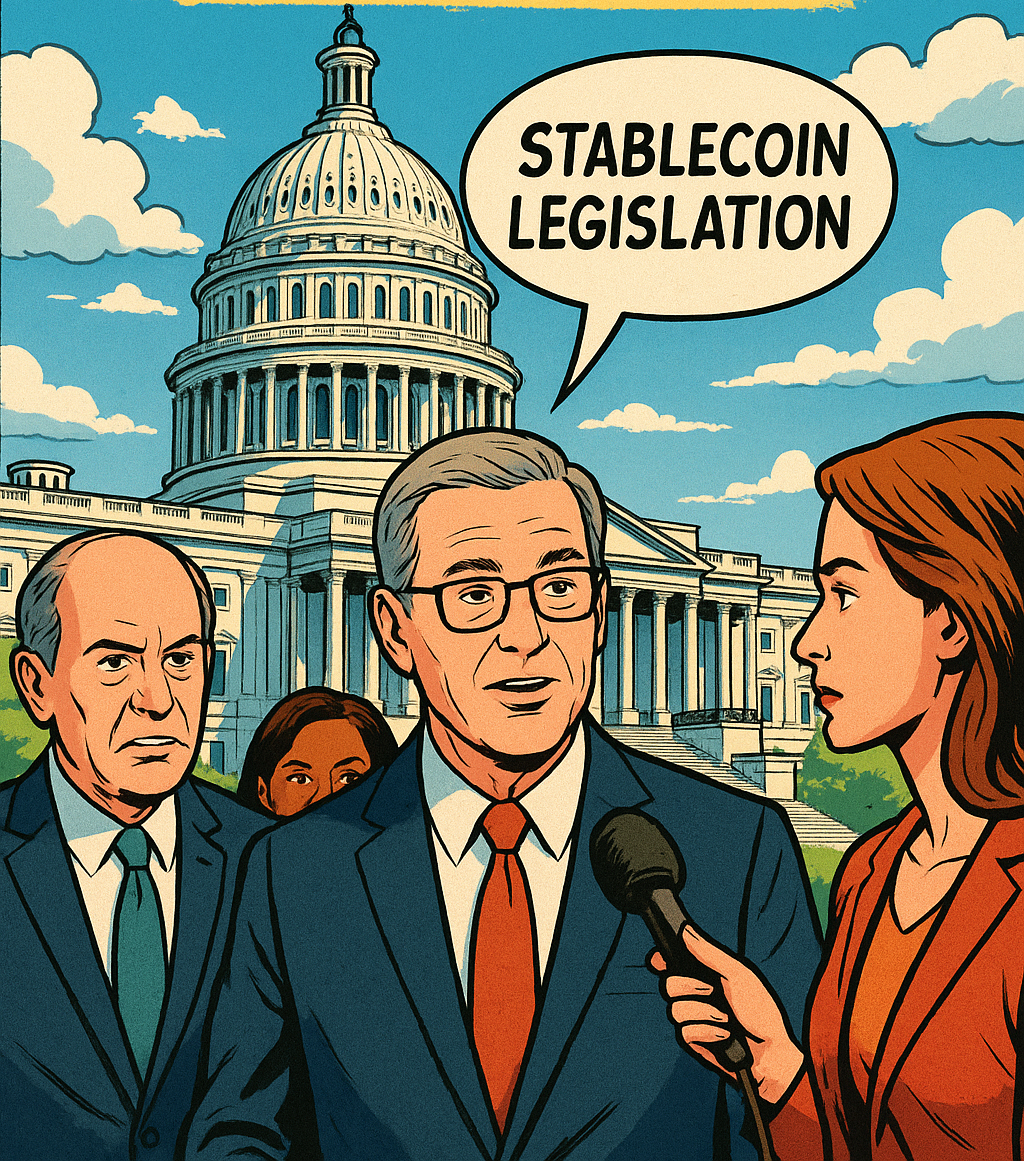
The U.S. Senate is on track to vote on a revised version of the stablecoin regulation bill by Memorial Day, according to several lawmakers close to the negotiations. The bipartisan push marks a major step forward in the effort to establish clear federal guidelines for stablecoins—digital assets pegged to the value of fiat currencies like the U.S. dollar.
After months of legislative gridlock, recent revisions to the bill have generated new momentum. Senators from both sides of the aisle believe they are close to a final agreement that could bring more stability, consumer protection, and legal clarity to the fast-evolving digital asset industry.
What the Revised Bill Proposes
The updated bill aims to regulate the issuance and backing of stablecoins through a combination of federal and state oversight. Key features include:
- Reserve Requirements: Stablecoins must be backed 1:1 by U.S. dollars or U.S. Treasuries held in regulated financial institutions.
- Licensing System: Issuers will be required to register with either federal agencies or approved state-level regulators.
- Audit and Disclosure: Regular third-party audits will be mandatory to ensure transparency and consumer trust.
- Consumer Protections: Clear redemption rights and dispute resolution mechanisms will be outlined for stablecoin holders.
The bill also outlines procedures for handling stablecoin insolvency or systemic failure, a concern that intensified after high-profile collapses like TerraUSD in 2022.
Bipartisan Support Grows
Senators from both parties—including members of the Senate Banking Committee—have expressed optimism about the bill’s passage before the Memorial Day recess. Democratic Senator Kirsten Gillibrand and Republican Senator Cynthia Lummis have been key figures in advancing the legislation, which is also supported by Treasury officials and several financial regulatory bodies.
“This is about responsible innovation,” said one senator. “We want to ensure stablecoins can thrive in a regulated, safe environment without threatening financial stability.”
Industry Reacts Positively
The crypto industry has largely welcomed the renewed legislative focus. Major stablecoin issuers such as Circle (USDC) and Paxos (PYUSD) have advocated for clear rules that would allow them to expand while maintaining trust with users and regulators.
Jeremy Allaire, CEO of Circle, tweeted that “smart regulation of stablecoins will help the U.S. dollar remain dominant in the digital age.”
Conclusion
If passed, the stablecoin bill would be the most significant piece of crypto legislation in U.S. history. With bipartisan interest, support from regulators, and increasing public pressure for crypto oversight, Memorial Day could mark a historic turning point for digital finance regulation in America.