
Stocks dip, gold hits record highs, and concerns rise over jobs, student loans, and travel disruptions
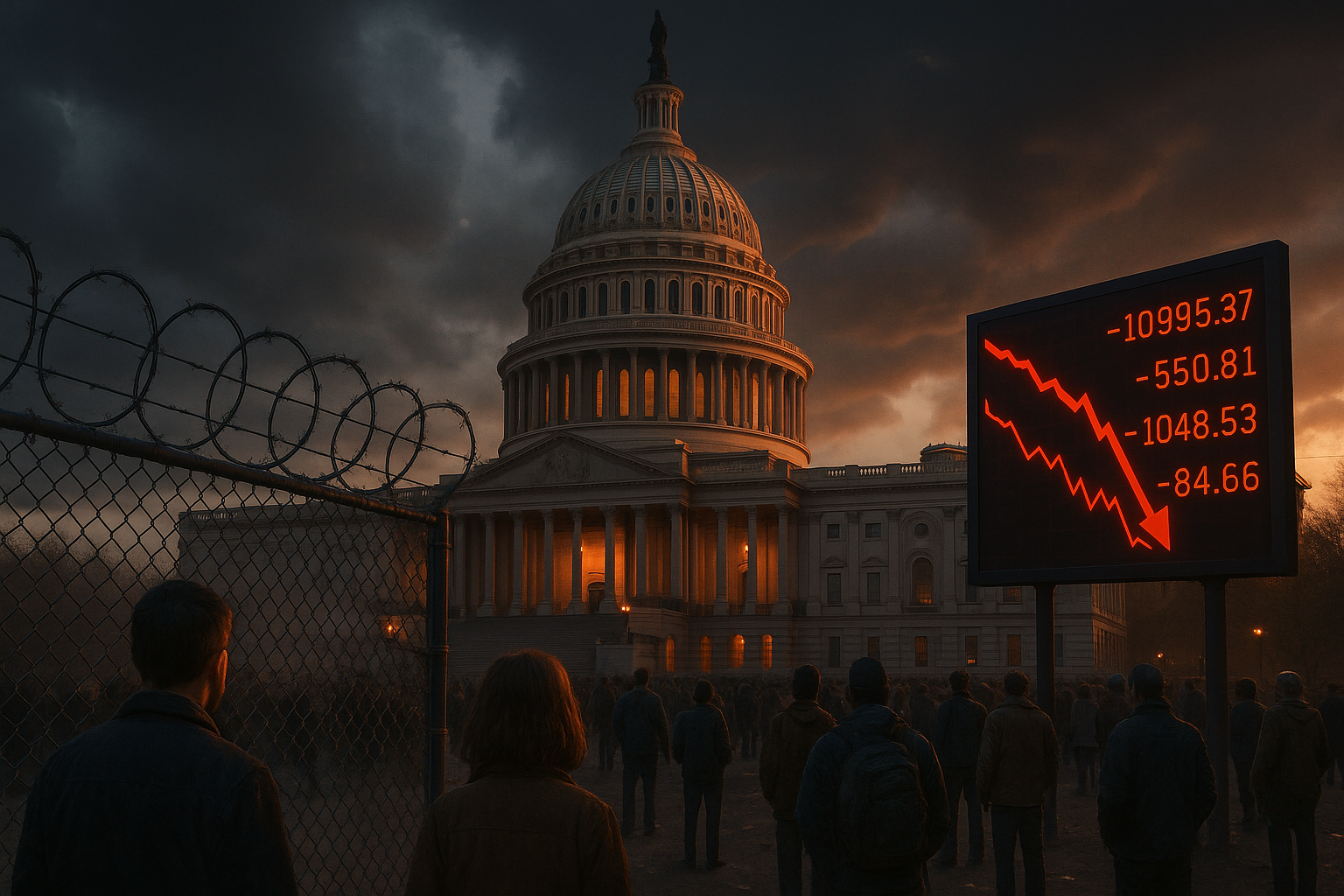
The US government shutdown has officially begun after lawmakers failed to reach a funding deal before Tuesday’s midnight deadline, sending ripples through financial markets and raising questions about the economy.
Wall Street opened lower Wednesday, with tech stocks leading declines. The Nasdaq Composite fell 0.62%, while the S&P 500 slipped 0.42% and the Dow Jones dipped 0.09%.
“The government shutdown is another brick in the stock market’s wall of worry,” said Glen Smith, CIO at GDS Wealth Management. “It comes at a time when many investors are already cautious about high valuations and strong September gains.”
Bonds and interest rates
Treasury yields edged lower as investors sought safety. The 10-year US government bond yield dipped to 4.137%, down 1 basis point. Private payrolls data added to concerns, showing employers shed 32,000 jobs in September, the biggest drop in more than two years.
That weakness bolstered expectations that the Federal Reserve will cut rates by 25 basis points at its Oct. 29 meeting, with odds now near 100%.
Gold prices surge
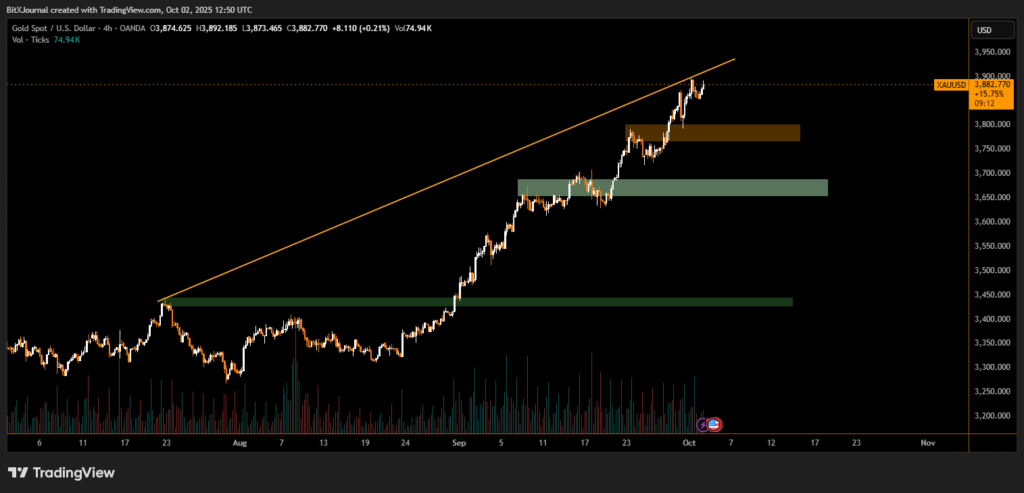
Safe-haven demand drove gold to a record $3,898 an ounce, climbing nearly 1% before easing slightly. Investors see bullion as a hedge against both political and economic uncertainty.
Social Security and federal benefits
Retirees and healthcare recipients will remain protected. Social Security, Medicare, and Medicaid payments will continue despite the shutdown. However, programs with tighter budgets — such as WIC food assistance — could face disruptions if the shutdown lasts.
Student loans and education
The Department of Education faces major staff cuts, potentially delaying loan processing, forgiveness applications, and customer support. While Pell Grants and Federal Direct Loans can continue for now, funding limits could cause interruptions if the standoff drags on.
Essential workers like TSA and air traffic controllers will remain on duty, but airports may face longer lines and delays. Passport and visa services may also slow down, depending on available fee-based funding. Meanwhile, national parks and museums could close or reduce operations.
Disclaimer
This content is for informational purposes only and does not constitute financial, investment, or legal advice. Cryptocurrency trading involves risk and may result in financial loss.