
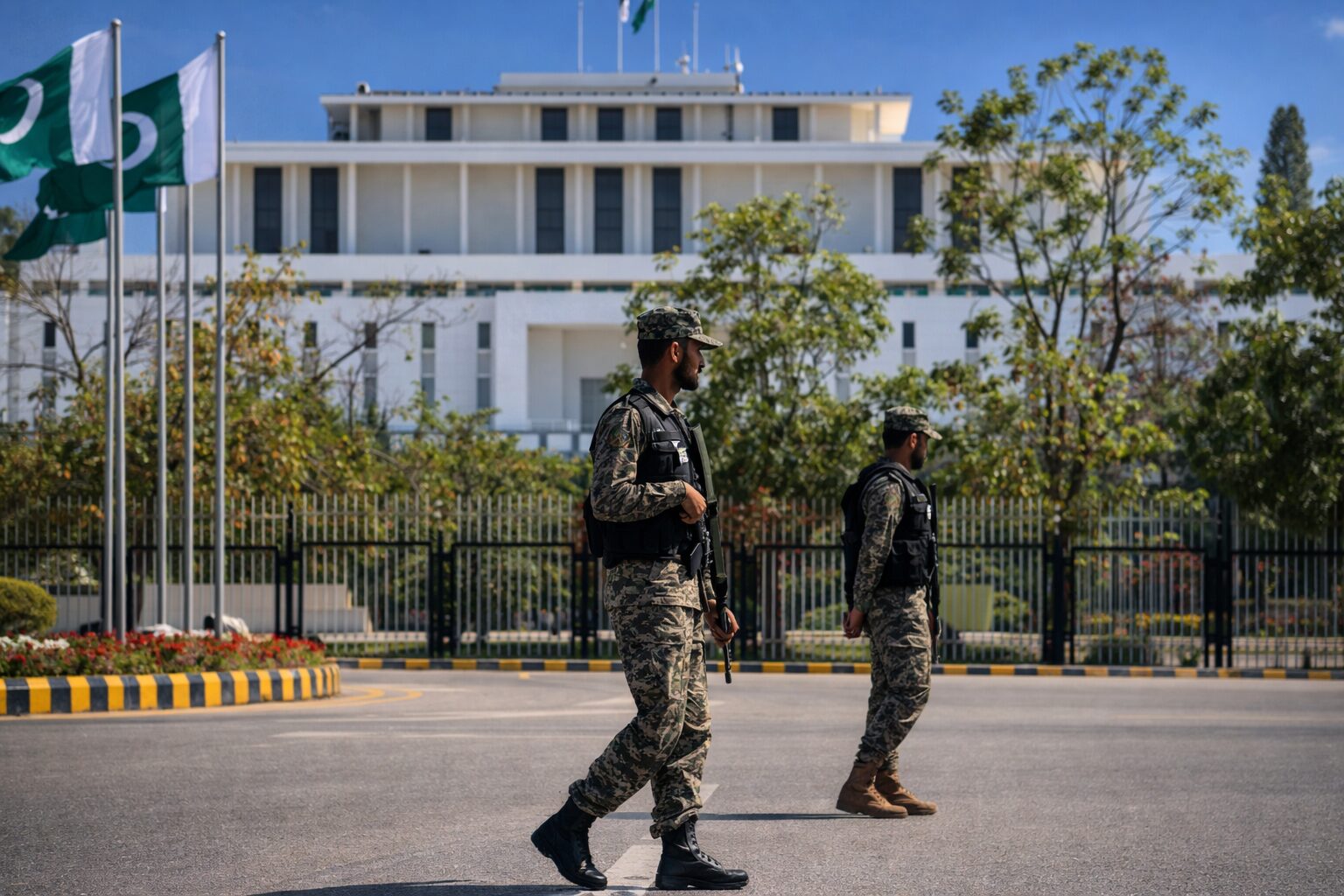
Diplomatic delegations from Iran and the United States have arrived in Pakistan ahead of new peace talks aimed at easing escalating regional tensions. The discussions come amid ongoing uncertainty over a fragile ceasefire framework and broader Middle East security concerns.
Trust Deficit Shapes Early Negotiation Atmosphere
Iran’s delegation leader Mohammad Bagher Ghalibaf stated that while negotiators approach talks with “good intentions,” there remains a deep lack of trust toward the United States. On the US side, JD Vance has warned that Washington will not respond positively if Tehran attempts to manipulate or delay negotiations.
The talks are considered one of the most sensitive diplomatic tests of Vance’s vice-presidential role, with analysts noting limited upside and significant political risk if discussions fail to produce progress.
Key Issues Include Ceasefire Scope and Regional Coverage
A central point of contention is whether the proposed ceasefire framework should include Lebanon, as regional spillover continues to affect broader stability. Lebanese officials are also preparing for separate discussions with an Israeli delegation in Washington next week, indicating parallel diplomatic channels.
While details of the Pakistan-hosted talks remain limited, the broader diplomatic landscape reflects overlapping negotiations involving multiple actors. The situation highlights ongoing efforts to stabilize conflict zones while balancing competing geopolitical interests across the Middle East and South Asia.
Disclaimer
This content is for informational purposes only and does not constitute financial, investment, or legal advice. Cryptocurrency trading involves risk and may result in financial loss.