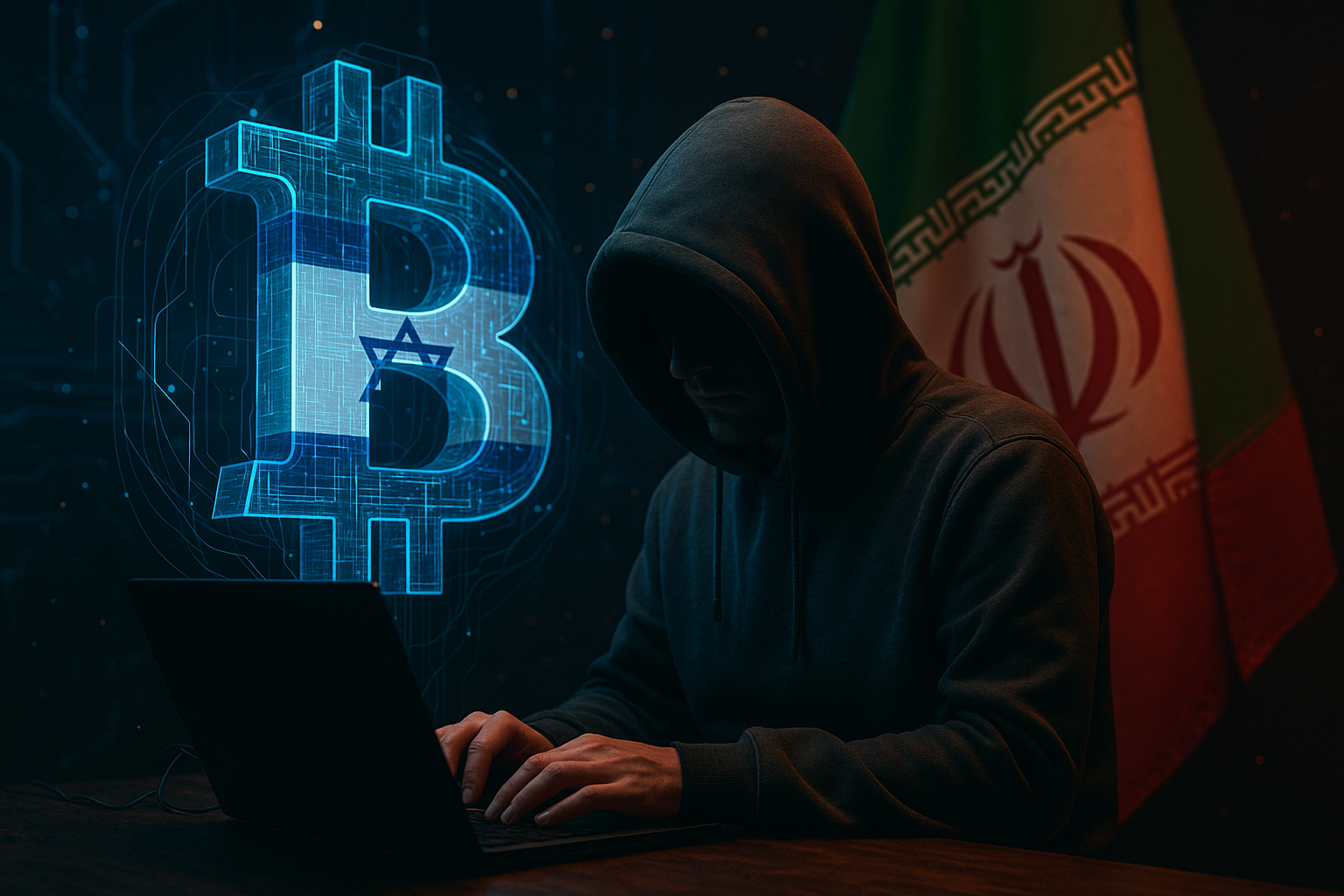
The $90 million crypto hack on Nobitex, Iran’s largest digital asset exchange, is emerging as more than just another exploit — it’s a politically motivated operation with deep geopolitical implications. The attackers, a pro-Israel hacker group called Gonjeshke Darande (Farsi for Predatory Sparrow), deliberately burned the stolen assets in a public act of defiance, delivering a blow to Iran’s sanction-evasion network.
Politically Charged, Not Profit-Driven
This wasn’t your typical cybercrime. Instead of laundering the stolen funds, Gonjeshke Darande sent them to irretrievable “vanity” wallets — blockchain addresses encoded with messages like “terrorist” and linked to the Islamic Revolutionary Guard Corps (IRGC).
“This appears to be politically motivated sabotage,” said Tom Robinson, co-founder of blockchain analytics firm Elliptic.
By making the funds permanently inaccessible, the group sacrificed profit to send a message — a rare, calculated form of cyberwarfare via blockchain.
Source Code Leak Increases the Damage
Less than 24 hours after the hack, the group released the full source code of Nobitex online, including internal server configurations and security details. This exposes all remaining funds on the platform to new attacks, amplifying the financial and reputational damage.
The message on X (formerly Twitter) was chilling:
“Assets left in Nobitex are now entirely out in the open.”
Strategic Disruption to Iran’s Financial Mobility
Iran is heavily sanctioned, with international restrictions on oil, banking, and nuclear development. Platforms like Nobitex have been crucial for Iran’s access to decentralized finance (DeFi), helping sidestep global banking restrictions.
Now, with Nobitex disabled and under threat, Iran’s ability to shift capital through crypto networks is in jeopardy — a potential hammer blow during active military conflict with Israel.
Vanity Wallets: Burned or Recoverable?
Some questioned whether the hackers might still access the funds. But according to security researcher Yehor Rudytsia, it’s mathematically infeasible. Vanity wallets require an astronomical number of trials to guess the private keys, confirming that the funds are effectively destroyed.
“There’s practically zero chance the attackers control these addresses,” Rudytsia said.
Final Thoughts
The $90M Nobitex hack isn’t just financial theft — it’s digital warfare. It targets Iran’s crypto infrastructure at a time of peak tension and may undermine its ability to fund conflict operations. As crypto becomes a tool of statecraft, the line between financial systems and foreign policy continues to blur.
Disclaimer
This content is for informational purposes only and does not constitute financial, investment, or legal advice. Cryptocurrency trading involves risk and may result in financial loss.