

The XRP Ledger (XRPL), widely used by blockchain payments company Ripple, has integrated technology from zero-knowledge infrastructure provider Boundless to enable confidential yet compliant transactions directly on its base layer. According to details shared Tuesday, the system allows banks and asset managers to shield sensitive information such as transaction size, frequency, and counterparties from public view.
Boundless chief executive Shiv Shankar explained that the framework uses selective disclosure and role-based access controls, enabling regulators to audit activity when required. This structure aims to balance privacy needs with compliance standards that financial institutions must follow.
Expanding Use Cases for Institutional Blockchain Adoption
The integration supports several institutional applications, including cross-border business to business payments, treasury operations, capital management, tokenized asset issuance, and decentralized exchange or lending activity. These areas have historically faced challenges on transparent blockchains where full visibility can expose trading strategies and client positions.
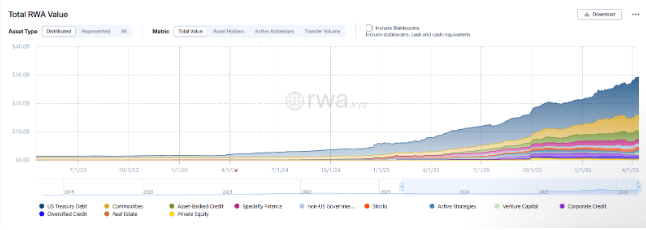
The move places XRPL into a competitive race among blockchain networks exploring privacy technologies such as zero-knowledge proofs and fully homomorphic encryption. Industry developments show privacy evolving into a core infrastructure feature, especially as the tokenized asset market reached about $29.25 billion in April 2026, rising 7.9% within a month.
Disclaimer
This content is for informational purposes only and does not constitute financial, investment, or legal advice. Cryptocurrency trading involves risk and may result in financial loss.