European Nation Embraces Digital Assets Through Regulated ETF Exposure
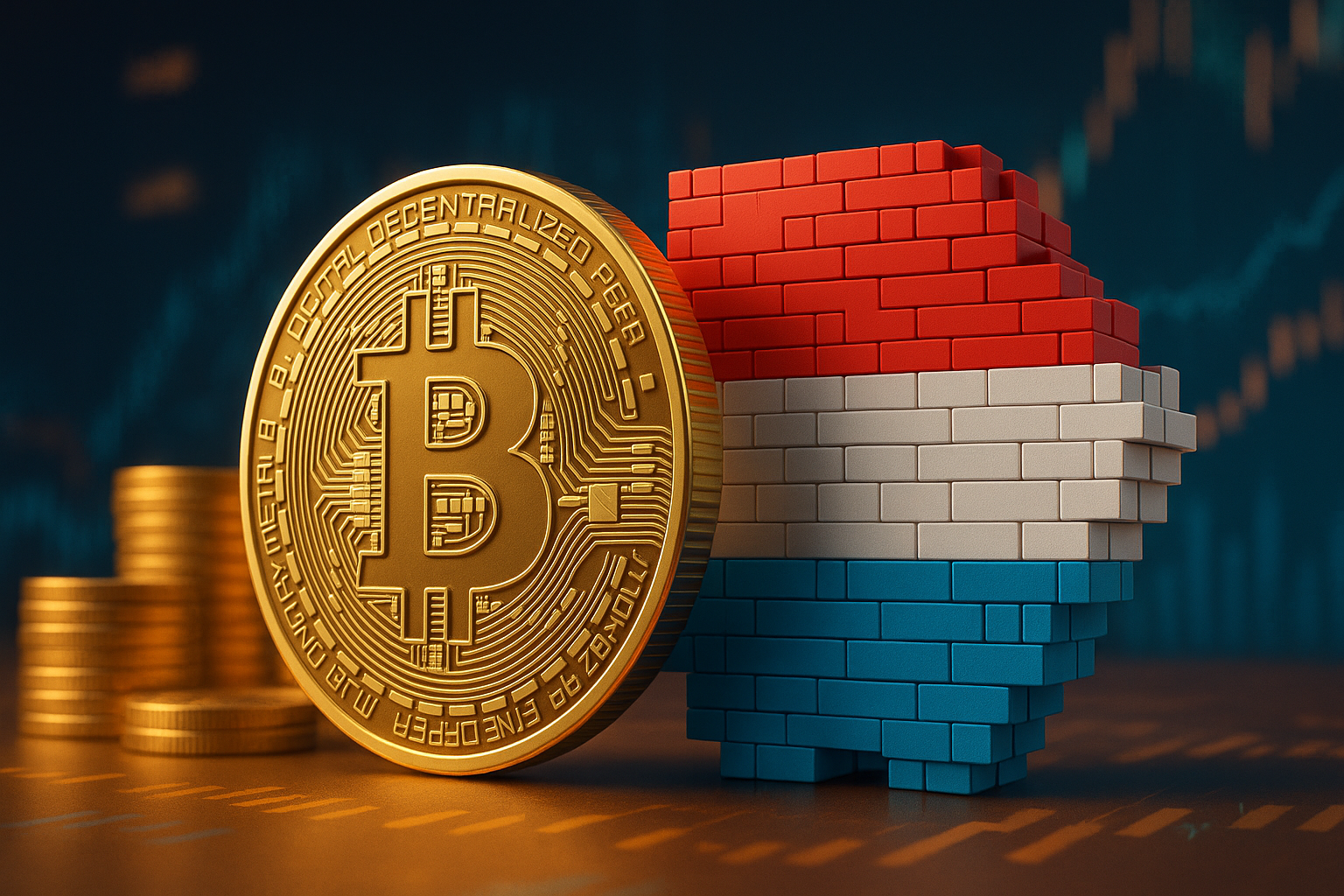
In a landmark move for European finance, Luxembourg’s sovereign wealth fund, known as the Fonds Souverain Intergénérationnel du Luxembourg (FSIL), has allocated 1% of its $888 million portfolio — approximately $9 million — into Bitcoin exchange-traded funds (ETFs). This decision makes Luxembourg one of the first European nations to gain direct exposure to Bitcoin through a regulated investment vehicle.
The announcement was revealed by Bob Kieffer, Director of the Treasury and Secretary General, who stated that Finance Minister Gilles Roth disclosed the investment during his 2026 Budget presentation at the country’s Chambre des Députés. The move follows the approval of FSIL’s new investment policy in July 2025, signaling a strategic evolution in Luxembourg’s approach to digital assets.
“Recognizing the growing maturity of this new asset class, and underlining Luxembourg’s leadership in digital finance, this investment is an application of the FSIL’s new policy,” Kieffer said.
A New Era in State-Backed Bitcoin Investment
The fund’s decision to enter the Bitcoin ETF market represents a cautious yet meaningful step toward integrating blockchain-based assets into traditional portfolios. The investment—about 1% of total assets—reflects a growing global trend among sovereign funds exploring digital asset diversification while managing exposure risks.
Despite Luxembourg’s traditionally conservative stance on cryptocurrencies, this initiative underscores a measured approach to innovation. Kieffer confirmed that FSIL remains focused on equity and debt markets, but is now authorized to allocate up to 15% of its holdings into alternative investments, including cryptocurrencies, private equity, and real estate.
“To avoid operational risks, the exposure to Bitcoin has been taken through a selection of ETFs,” Kieffer added, noting the fund’s preference for regulated investment instruments over direct crypto ownership.
Balancing Risk and Innovation
While some may view the 1% allocation as modest, Kieffer emphasized that it reflects a balanced strategy aligned with FSIL’s long-term mission.
“Given the FSIL’s particular profile and mission, the management board concluded that a 1% allocation strikes the right balance while sending a clear message about Bitcoin’s long-term potential,” he said.
This development follows similar trends in Europe and beyond, as institutional investors and sovereign entities increasingly explore Bitcoin ETFs as a safe, transparent entry point into the digital asset ecosystem.
By adopting a regulated, ETF-based approach, Luxembourg has positioned itself at the forefront of Europe’s digital finance transformation, blending innovation with fiscal prudence to advance its role as a global financial hub.
Disclaimer
This content is for informational purposes only and does not constitute financial, investment, or legal advice. Cryptocurrency trading involves risk and may result in financial loss.
We use cookies to personalize content and ads, provide social media features, and analyze our traffic. In accordance with GDPR/AVG and EU cookie regulations, data is processed only with your consent. We may share information about your use of our website with our social media, advertising, and analytics partners, and you can manage or withdraw your consent at any time. View more
Cookies settings
Accept
Privacy & Cookie policy
Privacy & Cookies policy
Cookies list
Cookie name
Active
Privacy Policy
At BitxJournal.com, we respect your privacy and are committed to protecting your personal data. This Privacy Policy explains how we collect, process, store, and protect personal information in accordance with the General Data Protection Regulation (GDPR) and AVG (EU privacy legislation).
1. Data Controller
BitxJournal.com acts as the data controller for all personal data processed through this website.
2. Personal Data We Collect
We may collect and process the following categories of data:
Personal Data
Name and email address (when you subscribe to newsletters or contact us)
Technical & Usage Data
IP address, browser type, operating system
Device information
Pages visited, referral sources, and interaction data
This data is collected via cookies, log files, and analytics technologies.
3. Legal Basis for Processing
We process personal data only when a lawful basis exists, including:
Consent – when you explicitly agree (e.g., cookies, newsletter sign-up)
Legitimate interest – to operate, secure, and improve our website
Legal obligation – when required by applicable laws
You may withdraw your consent at any time.
4. Purpose of Data Processing
Your data is processed for the following purposes:
Operating and maintaining the website
Improving content, usability, and performance
Sending newsletters or updates (only with consent)
Analyzing traffic and user behavior
Responding to inquiries or support requests
5. Cookies & Consent Management
We use cookies and similar technologies in compliance with EU Cookie Law.
Non-essential cookies are placed only after explicit user consent
Users may accept, reject, or manage cookie preferences at any time
Consent can be withdrawn without affecting prior lawful processing
Detailed cookie information is available in our Cookie Settings panel.
6. Third-Party Data Processing
We may share limited data with trusted third-party service providers, including:
Analytics providers (e.g., Google Analytics)
Advertising partners (for personalized or non-personalized ads)
These third parties act as data processors and process data only under contractual obligations compliant with GDPR/AVG.
7. International Data Transfers
Where data is transferred outside the European Economic Area (EEA), we ensure appropriate safeguards are in place, such as Standard Contractual Clauses (SCCs) or equivalent legal mechanisms.
8. Data Retention
We retain personal data only for as long as necessary to fulfill the purposes outlined in this policy or as required by law.
9. Data Security
We implement appropriate technical and organizational security measures to protect personal data against unauthorized access, alteration, disclosure, or destruction.
10. Your GDPR Rights
Under GDPR/AVG, you have the right to:
Access your personal data
Rectify inaccurate or incomplete data
Request data erasure (“right to be forgotten”)
Restrict or object to processing
Data portability
Withdraw consent at any time
Lodge a complaint with a supervisory authority
11. Changes to This Privacy Policy
We reserve the right to update this Privacy Policy at any time. Any changes will be posted on this page with a revised effective date.
12. Contact Information
For privacy-related inquiries or GDPR requests, contact: