
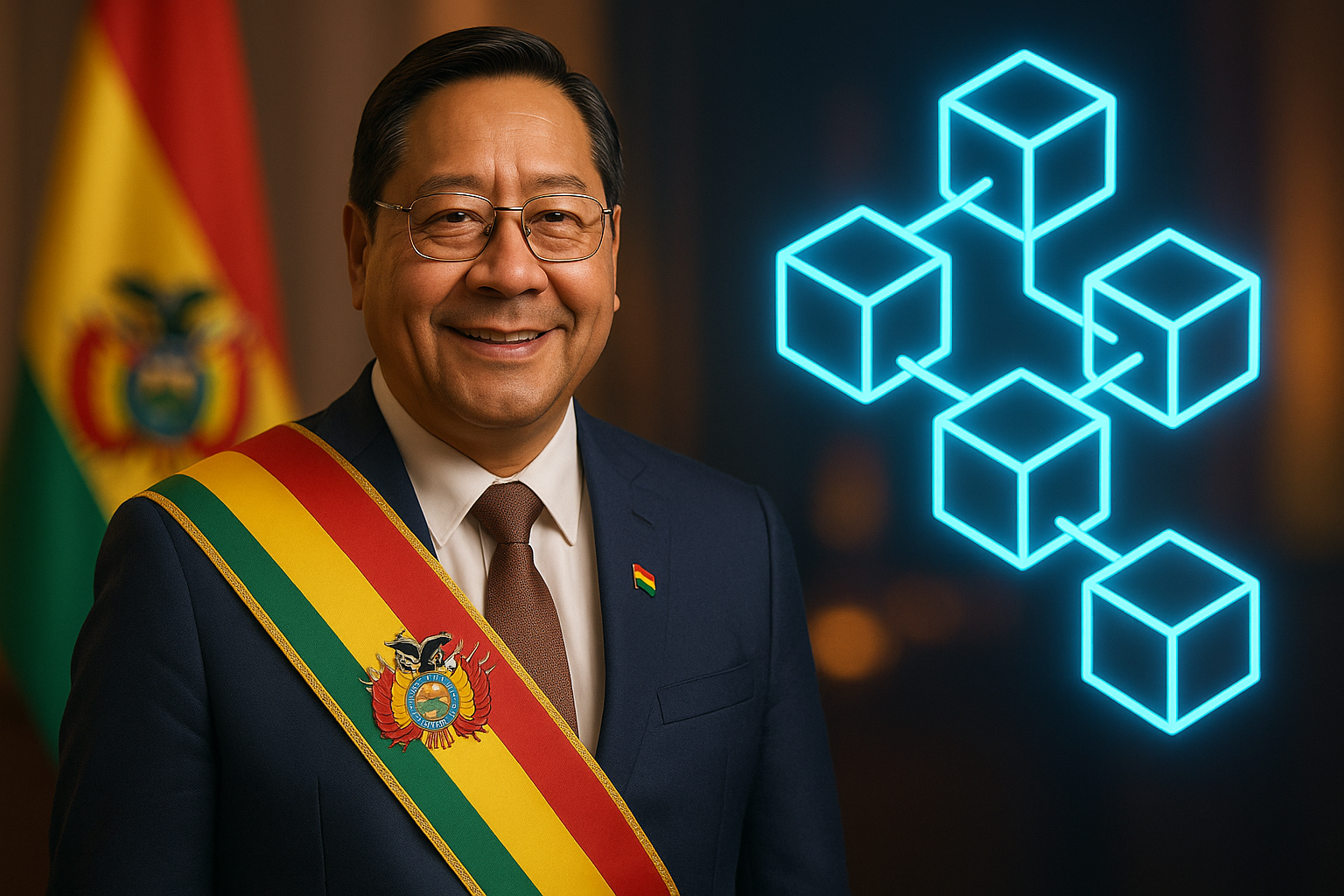
Bolivia’s newly elected president, Rodrigo Paz, plans to use blockchain technology to increase transparency and tackle corruption in public procurement, marking a major shift in the nation’s digital policy.
Blockchain as a Tool for Transparency
According to reports from local media and the Associated Press, Paz secured 54.5% of the vote in Sunday’s presidential runoff, defeating rival Jorge Quiroga. He will assume office on November 8, inheriting an economy struggling with fuel shortages and a shortage of U.S. dollars.

Paz’s government program includes two blockchain-based reforms: first, the implementation of smart contracts in public purchasing systems to eliminate discretionary decision-making; and second, the inclusion of cryptocurrencies in asset declarations for a new foreign-exchange stabilization fund.
“The idea is to ensure every transaction is visible, verifiable, and immutable,” said Dr. Alejandra Reyes, a Latin American fintech policy researcher. “Blockchain can help rebuild public trust where corruption has long been normalized.”
Crypto Assets Join Bolivia’s Fiscal Strategy
Under the proposed plan, citizens will be able to declare and regularize crypto holdings, which could be taxed or converted into hard currency to strengthen national reserves. By broadening the government’s asset base, the fund aims to stabilize the Bolivian peso and finance essential imports without heavy reliance on foreign credit.
While Paz appears crypto-pragmatic, experts note he is not promoting Bitcoin adoption as seen in El Salvador. Instead, his administration frames digital assets as financial instruments for economic resilience and accountability.
This policy builds on a series of changes in Bolivia’s financial sector. In June 2024, the Banco Central de Bolivia lifted its operational ban on crypto, allowing regulated digital transactions. By late 2024, crypto trading volumes had doubled, with major banks and businesses such as Banco Bisa and Toyota’s local distributor accepting USDT for payments.
Economist Miguel Ortega commented that “Bolivia’s embrace of blockchain marks a turning point — from banning crypto to harnessing it for governance reform.”
If successful, Paz’s strategy could make Bolivia a model for blockchain-driven transparency in Latin America.
Disclaimer
This content is for informational purposes only and does not constitute financial, investment, or legal advice. Cryptocurrency trading involves risk and may result in financial loss.