
Firm Explores Non-Sports Prediction Market Opportunities
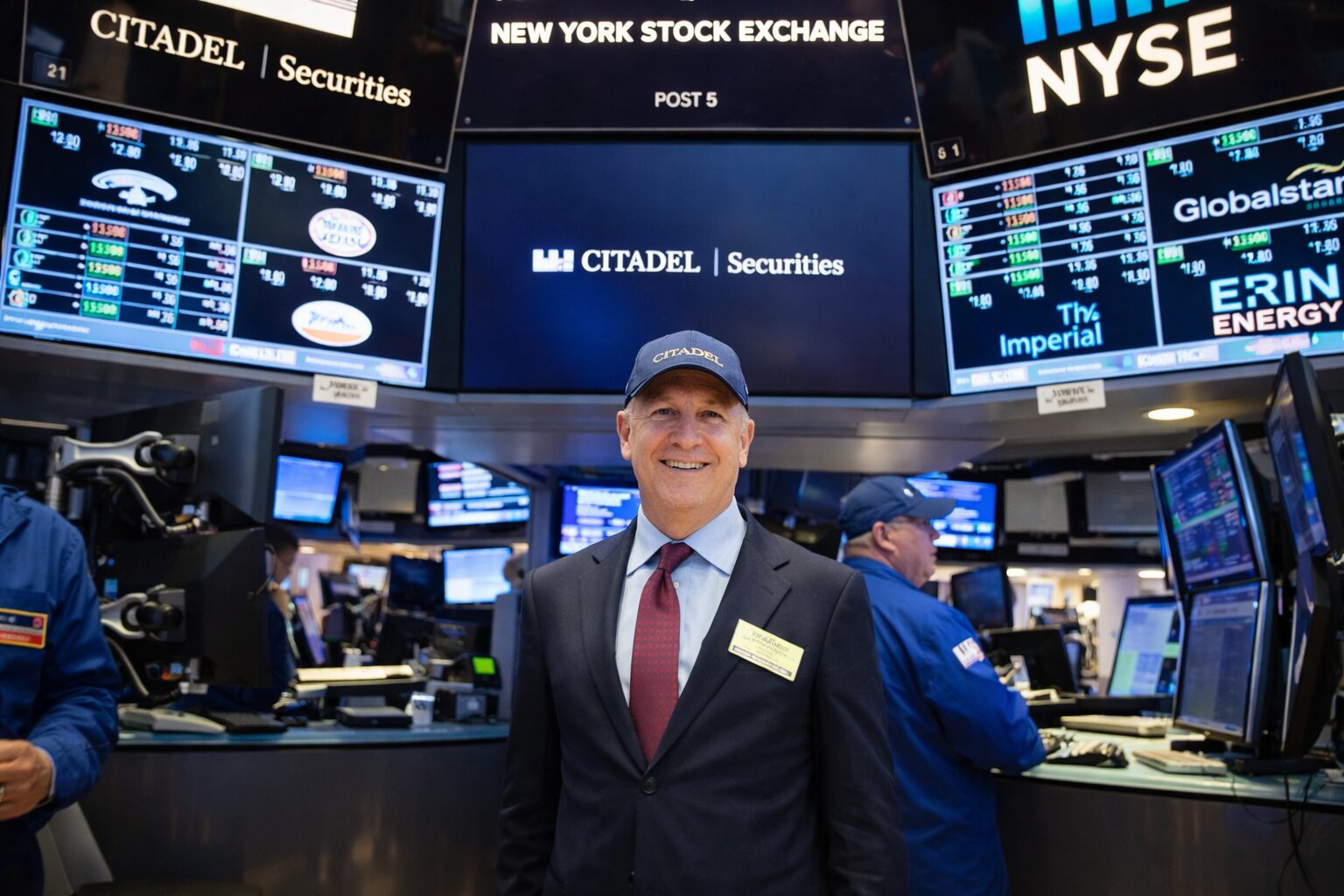
Citadel Securities is considering entering the rapidly expanding prediction markets sector, according to its president Jim Esposito. Speaking at the Semafor World Economy Summit, Esposito said it is “certainly possible” the firm could provide liquidity to event-based markets as institutional demand grows.
Esposito emphasized that the firm is not targeting sports contracts, which currently dominate the sector, but instead sees stronger long-term value in prediction markets tied to geopolitical and macroeconomic risks. He noted that institutional investors could use such contracts to hedge exposure to major events, including elections and global political developments.
Prediction Market Growth Attracts Institutional Interest
Prediction markets generated about $51 billion in trading volume during 2025, according to analysts at Bernstein, representing a tripling in activity year over year. Platforms such as Kalshi and Polymarket have already recorded a combined $60 billion in volume so far in 2026.
Analysts project the sector could reach $240 billion in annual volume in 2026, with an estimated 80% compound annual growth rate over the next five years. Longer-term forecasts suggest prediction markets could approach $1 trillion in yearly trading volume by 2030, supported by regulatory clarity and broader distribution partnerships.
Regulatory Debate Continues as Market Expands
Oversight of prediction markets remains a key issue. The Commodity Futures Trading Commission has asserted exclusive jurisdiction over the sector and is working to establish formal rules as adoption increases.
At a recent congressional hearing, Michael Selig faced questions from lawmakers regarding the agency’s capacity to supervise the growing industry. Meanwhile, sports-related contracts still account for approximately 62% of total prediction market activity, driven by fragmented sports betting regulations across U.S. states.
Citadel Securities already processes retail trades through brokerages such as Charles Schwab and Robinhood, the latter of which integrates prediction markets through Kalshi. Esposito added that the firm continues to monitor developments closely, while CEO Peng Zhao previously participated in a $185 million funding round supporting Kalshi’s expansion.
Disclaimer
This content is for informational purposes only and does not constitute financial, investment, or legal advice. Cryptocurrency trading involves risk and may result in financial loss.