


Photo: Illustrative
Aave V3 Avoided Bad Debt but Shifted Risk to Borrowers, Bank of Canada Study Finds
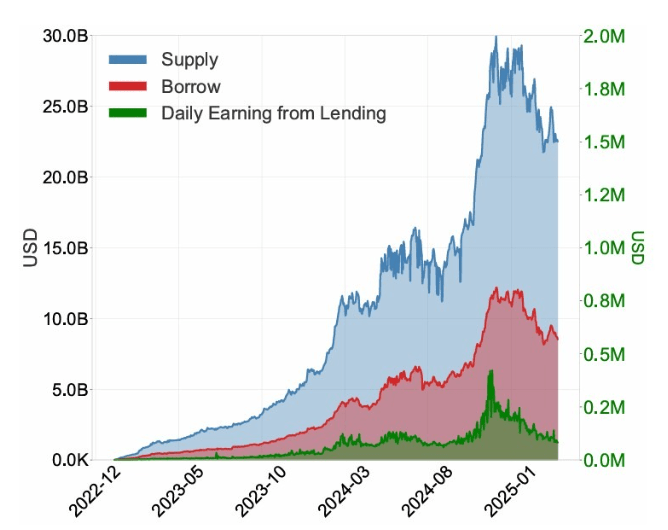
A staff paper from the Bank of Canada found that Aave V3 reported zero non performing loans in 2024, largely due to its overcollateralization model and automated liquidation system. The study analyzed transaction-level data from Jan. 27, 2023, to May 6, 2025, showing that borrower positions were usually liquidated before collateral values dropped below outstanding debt.
.jpeg)
A staff paper from the Bank of Canada found that Aave V3 reported zero non performing loans in 2024, largely due to its overcollateralization model and automated liquidation system. The study analyzed transaction-level data from Jan. 27, 2023, to May 6, 2025, showing that borrower positions were usually liquidated before collateral values dropped below outstanding debt.
This structure protected lenders from unrecovered losses across the Ethereum lending market. However, the research noted that the system relies heavily on automated risk controls rather than traditional underwriting methods. Borrowers are required to deposit collateral exceeding the value of their loans, with liquidations triggered when risk thresholds are breached.
Recursive Leverage Increased Borrowing Exposure
The study also found that recursive leverage played a major role in borrowing demand, accounting for over 20% of total borrowed volume and 8.2% of transactions. Liquidations often occurred in concentrated waves, with assets such as Wrapped Ether (WETH), wstETH, WBTC, and weETH representing 90% of total liquidated value.
According to the findings, liquidation fees typically ranged between 5% and 10%, while missed recovery gains pushed total borrower losses to 10% to 30% in some cases when collateral prices fell sharply.
Disclaimer
This content is for informational purposes only and does not constitute financial, investment, or legal advice. Cryptocurrency trading involves risk and may result in financial loss.
Live market reaction
Disclaimer
This content is for informational purposes only and does not constitute financial, investment, or legal advice. Cryptocurrency trading involves risk and may result in financial loss.
Start trading
with BloFin today
Up to $500 sign-up bonus and zero-fee trading on your first 30 days.
Buy crypto nowⓘ You will be redirected to BloFin
About the author
Emerging voice in crypto journalism with a background in fintech and digital economics. Covers DeFi, NFTs, and the evolving regulatory landscape.

.jpeg&w=32&q=75) Laurisa ·
Laurisa ·