
Photo: Illustrative
Andy Burnham Becomes UK’s Seventh Prime Minister in a Decade
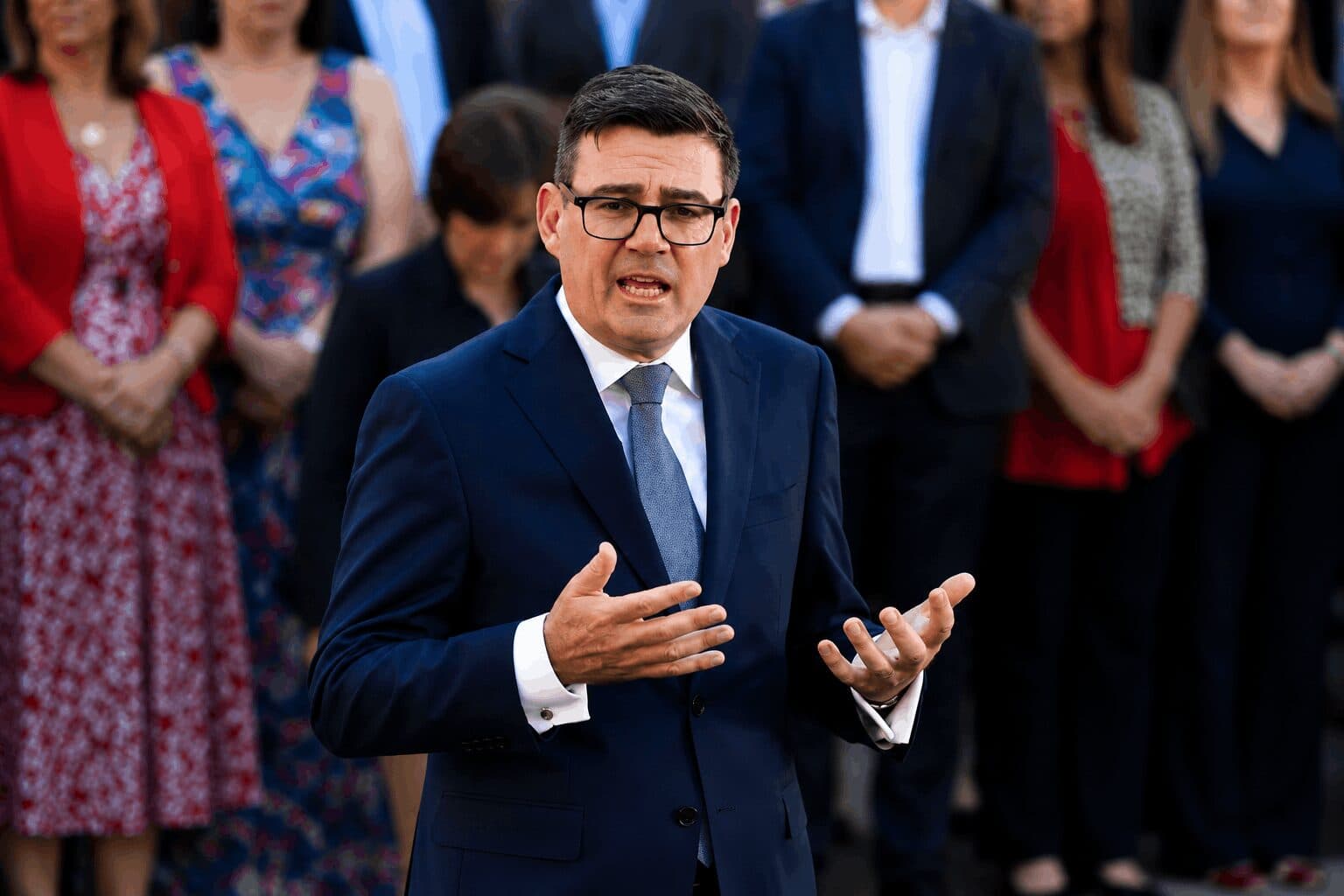
Andy Burnham officially took over as Britain's new prime minister on Monday, stepping into the role just after King Charles III formally appointed him. Speaking outside 10 Downing Street shortly after, Burnham laid out a 10-year plan aimed at restoring political stability and reviving the economy, while openly acknowledging that six other UK leaders had attempted the same task over the past decade without success.

Andy Burnham officially took over as Britain’s new prime minister on Monday, stepping into the role just after King Charles III formally appointed him. Speaking outside 10 Downing Street shortly after, Burnham laid out a 10-year plan aimed at restoring political stability and reviving the economy, while openly acknowledging that six other UK leaders had attempted the same task over the past decade without success.
Burnham pledged to ease the cost of living, push power away from central government and into local communities, rebuild British industry, and end homelessness on the streets. He described his approach as a “circuit breaker” for a system he says has been heading in the wrong direction since the 1980s, when public services and utilities were privatized and local government lost influence.
A Cabinet Shakeup Begins
One of Burnham’s first major responsibilities was forming a new Cabinet, expected to be announced later Monday. Several senior figures from former Prime Minister Keir Starmer’s government confirmed on social media that they had been removed from their posts, including Deputy Prime Minister David Lammy and Treasury chief Rachel Reeves, who had shaped much of the previous administration’s economic agenda.
How Burnham Rose to Power
Burnham became Labour Party leader on Friday after Starmer announced his resignation last month. Starmer stepped down just two years after leading Labour to a landslide election win, ultimately pushed out by his own party following a string of political missteps. Under Britain’s parliamentary system, a governing party can change its leader, and therefore its prime minister, without triggering a general election. The next national election isn’t required until 2029, though Burnham has the option to call one earlier. He was the sole candidate in the leadership race, winning backing from 379 of the 403 Labour lawmakers in the House of Commons.
Live market reaction
Disclaimer
This content is for informational purposes only and does not constitute financial, investment, or legal advice. Cryptocurrency trading involves risk and may result in financial loss.
Start trading
with BloFin today
Up to $500 sign-up bonus and zero-fee trading on your first 30 days.
Buy crypto nowⓘ You will be redirected to BloFin
About the author
8+ years covering crypto markets, macro, and geopolitics. Previously at Decrypt and CoinDesk. Focused on the intersection of digital assets and traditional finance.
.jpeg&w=32&q=75) Laurisa ·
Laurisa ·