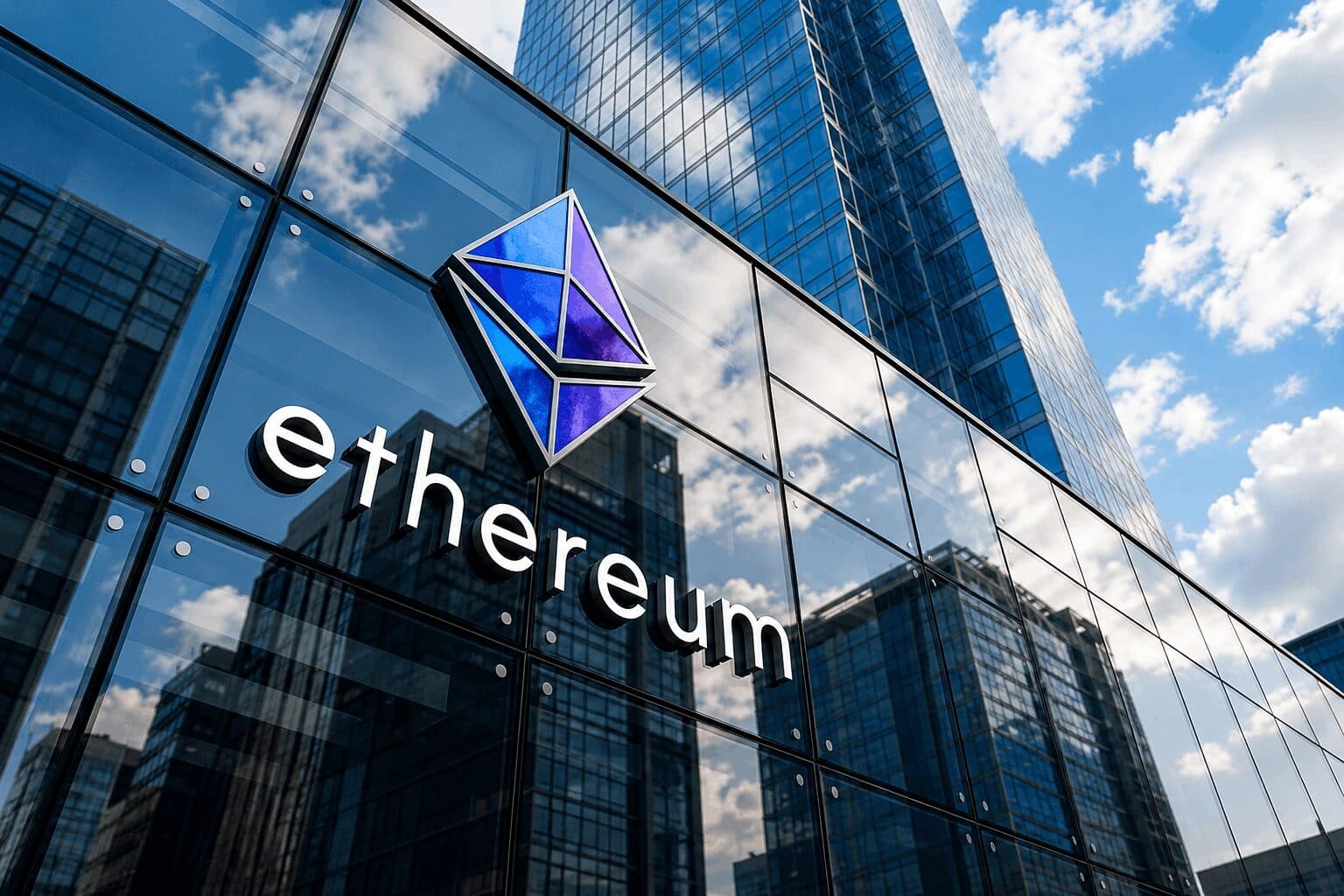
Photo: Illustrative
Aztec Labs Relaunches zk.money for Private Ethereum Payments
Aztec Labs is bringing back zk.money, a self-custodial wallet that hides payment amounts, balances and recipients. Users can send money to a readable name such as bob.zk.money or share a payment link instead of copying a long wallet address. Aztec Labs says its operators cannot spend or freeze the funds in the wallet.

Aztec Labs is bringing back zk.money, a self-custodial wallet that hides payment amounts, balances and recipients. Users can send money to a readable name such as bob.zk.money or share a payment link instead of copying a long wallet address. Aztec Labs says its operators cannot spend or freeze the funds in the wallet.
Why Ethereum Payments Need More Privacy
On Ethereum, anyone who knows a wallet address can see its balance and trace past transfers. That can expose a business’s payments to suppliers or an individual’s spending history. zk.money moves payments onto the Aztec Network, which connects to Ethereum but hides balances, amounts and the people involved. Joe Andrews, CEO of Aztec Labs, said transactions between two people shouldn’t mean publishing your financial history to the world.
DAI, USDC and USDT Deposits
Users can deposit DAI, USDC and USDT from Ethereum. USDC and USDT are converted into DAI on the way in, so DAI is the only currency used inside the wallet. Andrews said the team chose DAI because it sees it as the most decentralized mass-market stablecoin on Ethereum, and other assets may follow.
zk.money Limits, Fees and Privacy Gaps
A deposit from Ethereum still reveals the sender and amount, even though the recipient on Aztec can stay private. Each deposit, payment and withdrawal must be under $2,500, and all users share a $50,000 daily deposit allowance that replenishes over time. Andrews called the limits a precaution for new, experimental cryptography and said they will rise as confidence grows.
A deposit costs 35 cents plus Ethereum fees, and a withdrawal costs 20 cents. Users get 100 sponsored transactions a day, but payments must wait if the contract covering network fees runs out of funds. Deposit and withdrawal addresses are screened against a sanctions policy.
Security Risks and Alpha Phase
The original zk.money launched in 2021 and closed in 2024, after serving more than 75,000 wallets and processing over $100 million. The network is still in its early Alpha phase, and its documentation warns that the software is not fully audited. Contributors disclosed a critical flaw in the V5 proof system in August, with a fix planned for V6. Andrews said zk.money will launch before the fix, and a separate system called Oxide will check payments for bug-related errors.
Live market reaction
Disclaimer
This content is for informational purposes only and does not constitute financial, investment, or legal advice. Cryptocurrency trading involves risk and may result in financial loss.
Start trading
with BloFin today
Up to $500 sign-up bonus and zero-fee trading on your first 30 days.
Buy crypto nowⓘ You will be redirected to BloFin
About the author
8+ years covering crypto markets, macro, and geopolitics. Previously at Decrypt and CoinDesk. Focused on the intersection of digital assets and traditional finance.

 Tristan R. ·

.jpeg&w=32&q=75) Laurisa ·
Laurisa ·