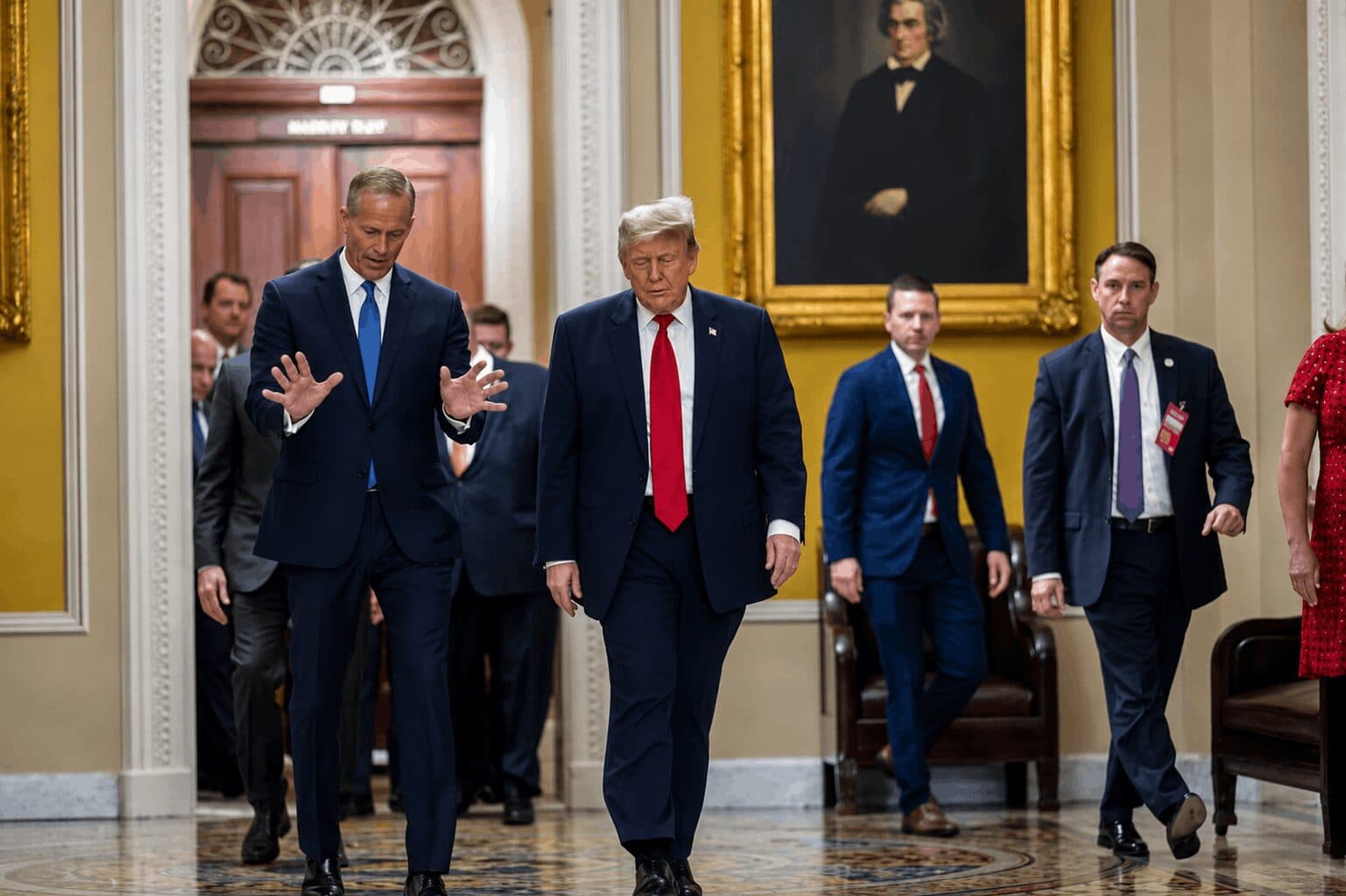


Photo: Illustrative
Bank of Italy Study Finds Stablecoin Remittances Aren’t Always Cheaper Than Traditional Transfers
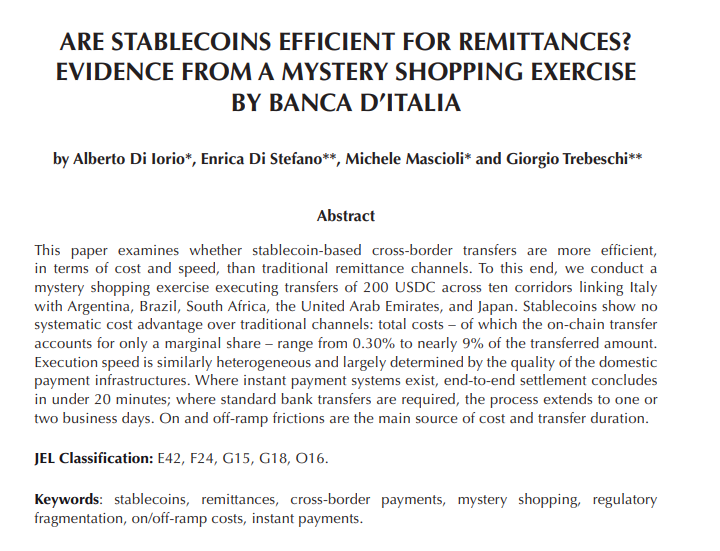
A new Bank of Italy study challenges the popular claim that stablecoins offer a clearly cheaper way to send money across borders. Researchers ran a mystery-shopping test involving 200 USDC transfers across 10 international remittance corridors, including routes from Italy to Argentina, Brazil, South Africa, the UAE, and Japan. Total costs varied widely, ranging from about 0.3% to nearly 9% of the amount sent, depending on the corridor and service providers used.
.jpeg)
A new Bank of Italy study challenges the popular claim that stablecoins offer a clearly cheaper way to send money across borders. Researchers ran a mystery-shopping test involving 200 USDC transfers across 10 international remittance corridors, including routes from Italy to Argentina, Brazil, South Africa, the UAE, and Japan. Total costs varied widely, ranging from about 0.3% to nearly 9% of the amount sent, depending on the corridor and service providers used.
Blockchain Itself Isn’t the Problem
The study found that network gas fees made up only a small fraction of overall costs. Instead, the bulk of expenses came from converting euros into USDC, withdrawing funds into local currency, foreign exchange spreads, and fees charged by exchanges and domestic banks. Settlement times also varied significantly, from around 20 minutes to as long as two business days depending on the payment infrastructure involved.
The Core Issue: Getting Back to Local Currency
Researchers noted that stablecoins only deliver their promised cost savings when both sender and recipient stay within the crypto ecosystem. Since most recipients ultimately need local currency for everyday expenses, every conversion back to fiat introduces additional intermediaries and fees, often replacing traditional correspondent banks with new middlemen rather than eliminating them entirely.
Path Forward Still Possible
The Bank of Italy noted stablecoins can still lower costs in certain corridors and offer advantages like constant settlement availability. As regulated off-ramp providers expand under frameworks like Europe’s MiCA and integrate further with instant payment systems, conversion fees could eventually narrow, though foreign exchange spreads are likely to remain a lasting cost factor.
Live market reaction
Disclaimer
This content is for informational purposes only and does not constitute financial, investment, or legal advice. Cryptocurrency trading involves risk and may result in financial loss.
Start trading
with BloFin today
Up to $500 sign-up bonus and zero-fee trading on your first 30 days.
Buy crypto nowⓘ You will be redirected to BloFin
About the author
Emerging voice in crypto journalism with a background in fintech and digital economics. Covers DeFi, NFTs, and the evolving regulatory landscape.
 Tristan R. ·
.jpeg&w=32&q=75) Laurisa ·
Laurisa ·